A better home decision starts with the right question.
Warm, practical stories about buying, moving, maintaining and improving a home—always with the person living there in mind.
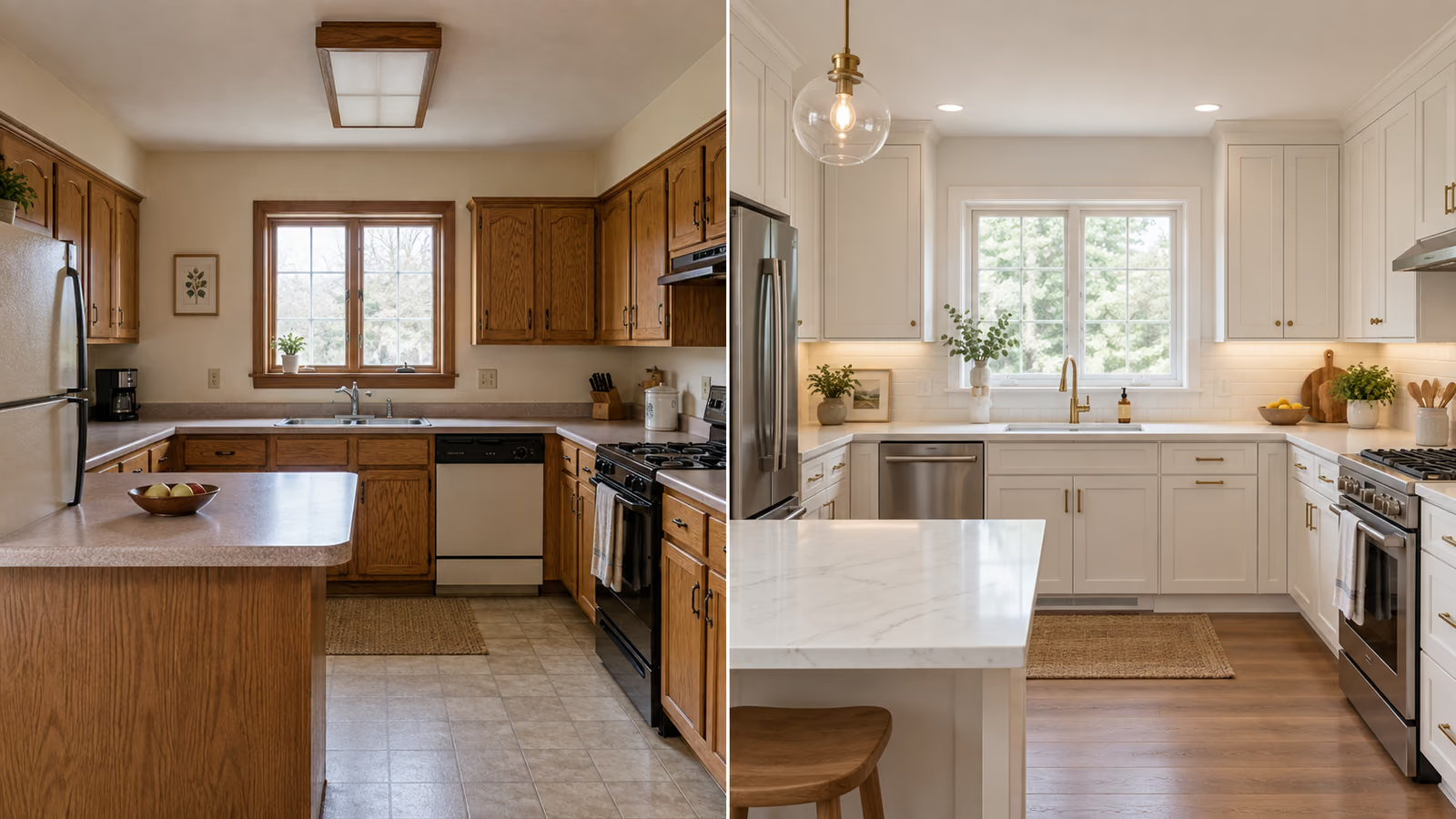
What Does a 200-Sq-Ft Kitchen Remodel Cost in 2026?
HomeCostGrid's 2026 U.S. planning model spans $12,500–$82,000. Compare materials, labor, hidden costs and two practical ways to protect your budget.
Read the cover story →Start with the decision in front of you.
No showroom speech or fine-print fog—just clear questions, realistic tradeoffs and useful next steps.
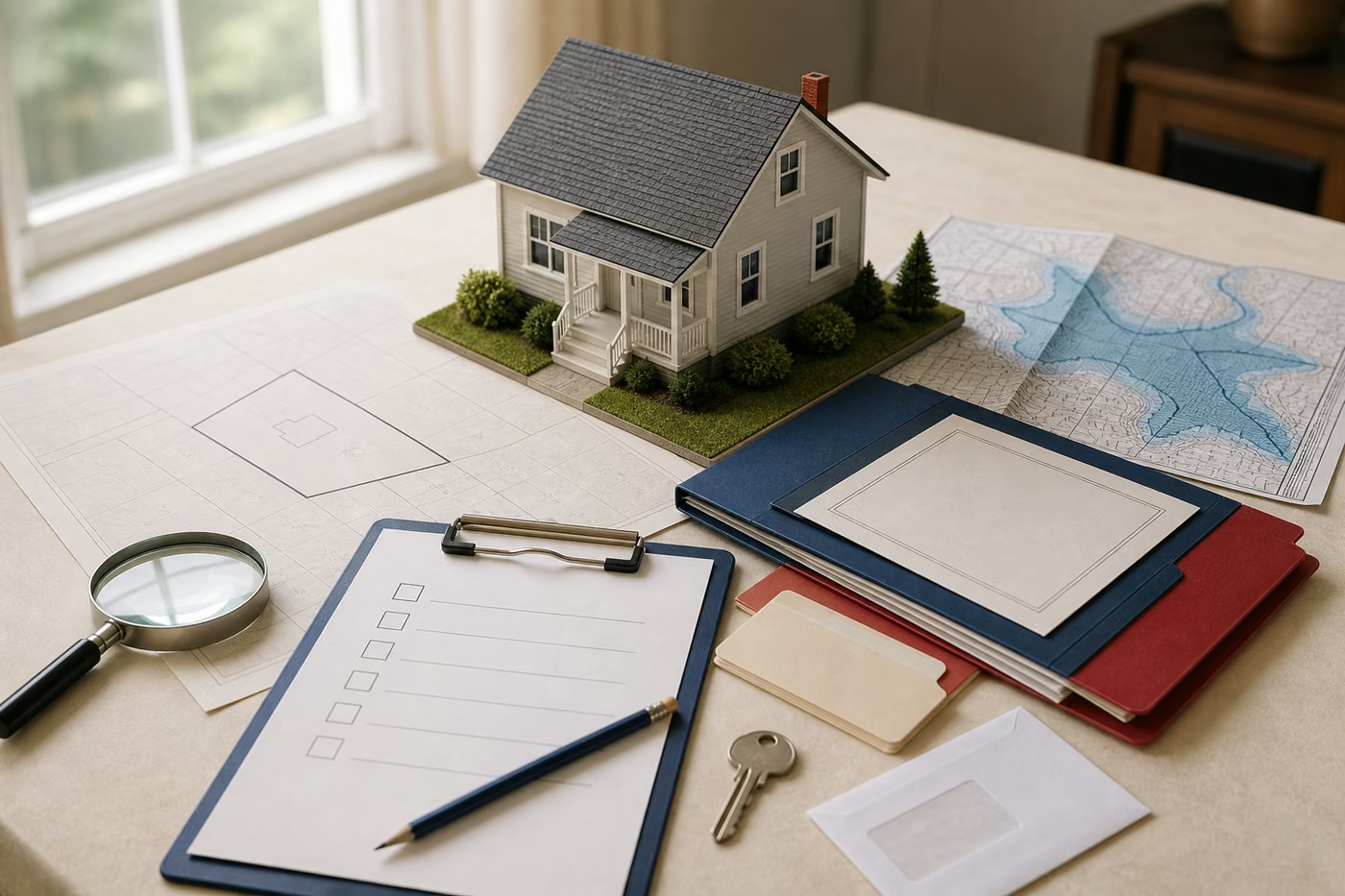
Address-Level Home Evidence Checklist: What to Verify Before You Buy
Match the exact home to its tax, flood, insurance, inspection, permit, utility, association and title evidence—without mistaking a statewide benchmark or map result for parcel verification.
Open the guide →
Condo Documents to Request Before You Buy
Build one evidence file for the governing rules, association finances, building condition, insurance, disputes and lender review before a contract deadline closes in.
Open the guide →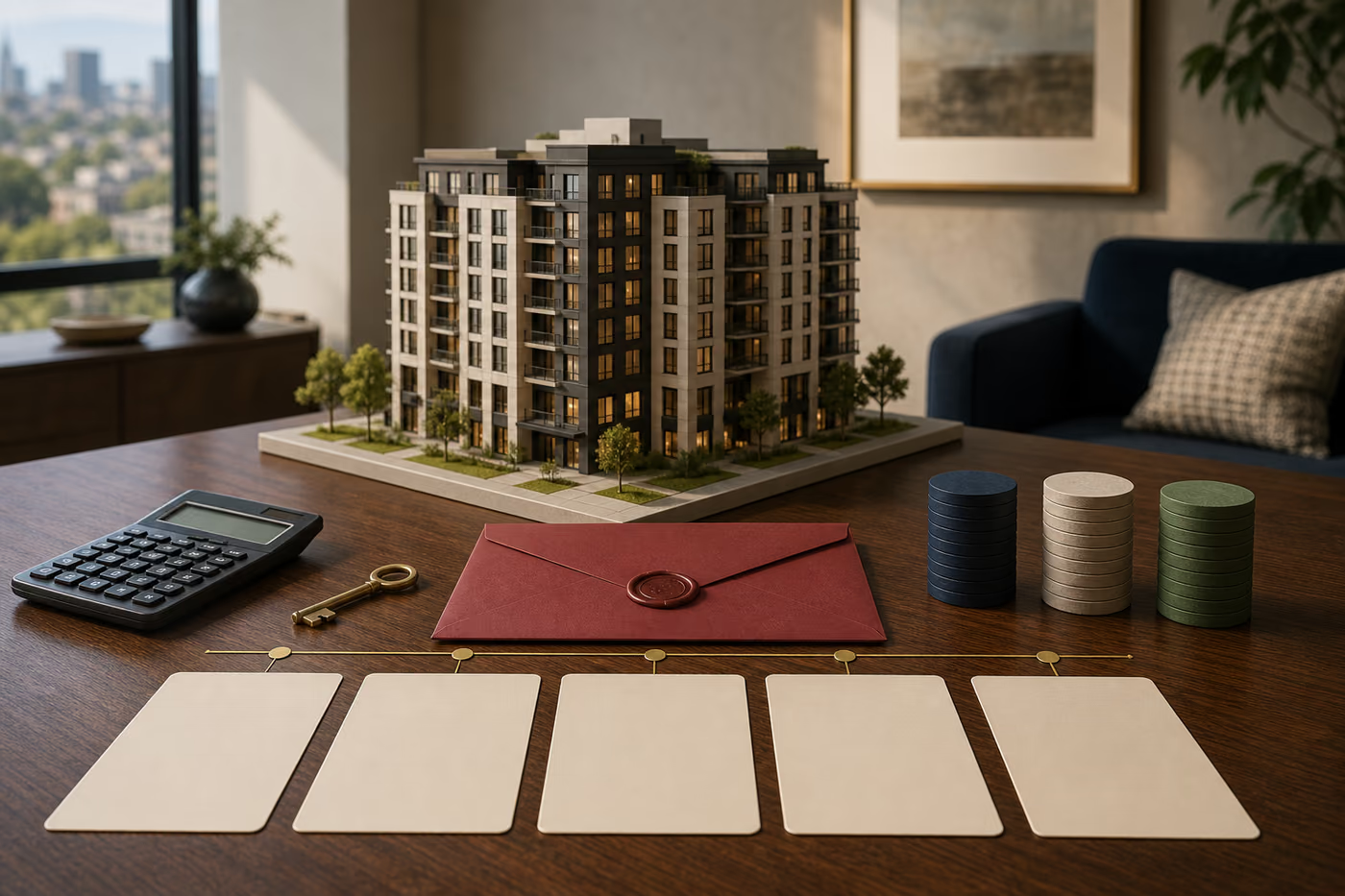
Condo Special Assessment: Build a Five-Year Cash Plan
Separate approved assessments from possible future work, then test dates, payment choices and household reserves without pretending to predict the board's next decision.
Open the guide →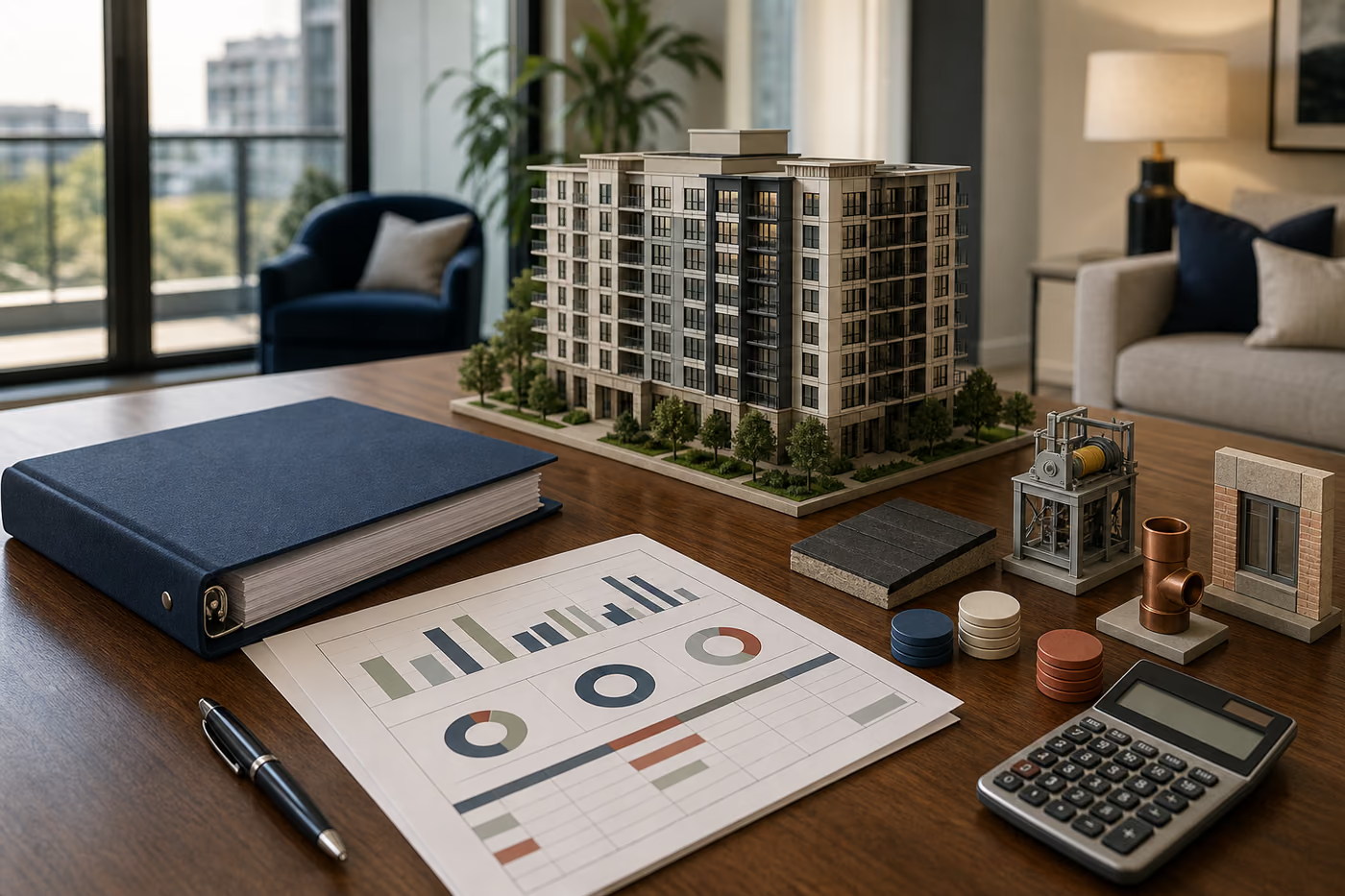
Condo Reserve Study and HOA Budget: Review Them Together
Match component timing, contribution assumptions, planned work and current financial statements before treating either document as a complete view of the building.
Open the guide →
Condo Master Insurance vs. HO-6: Deductibles and Gaps to Check
Reconcile governing documents, master-policy terms, unit coverage, catastrophe layers and deductible responsibility before treating either policy as complete protection.
Open the guide →
Builder Credit or Price Cut? Compare What Each One Changes
A builder credit can protect cash at closing while a price cut changes the purchase itself. Put both written offers on the same timeline before choosing.
Open the guide →
When a Builder Buydown Ends, What Will the Payment Be?
This guide models a temporary payment-subsidy structure whose permanent note terms still control. Confirm how the offered buydown is structured and disclosed before using any reduced payment.
Open the guide →
The New-Build Base Price Is Not the Final Home Price
Lot premiums, required structural choices, design-center selections and move-in gaps can pull a new home far from the advertised starting price. Build the included-and-extra list first.
Open the guide →
Preferred Builder Lender? Compare the Loan Estimate Before Taking the Credit
A preferred-lender credit can reduce cash to close while points, APR, fees, lock terms or the permanent payment move the other way. Compare standardized documents, not affiliations.
Open the guide →
Can Your Savings Survive the Deductible?
A higher deductible can lower the premium and still leave the household one storm away from expensive debt. Test the cash before changing the policy.
Open the guide →
A Generator Is More Than the Machine
Fuel, safe placement, carbon-monoxide alarms, weather protection and a qualified electrical connection determine whether backup power helps or creates a second emergency.
Open the guide →
Do Not Let the Utility Bill Move Twice
A clean handoff needs dates, meter photos, final bills and confirmation numbers. Transfer the service without paying for the next resident—or leaving the new home dark.
Open the guide →
Is That Fixer-Upper Really a Bargain?
A tired kitchen is easy to price. Old wiring, wet framing and a roof that cannot wait are harder. Build the repair budget before the charm turns into a contract.
Open the guide →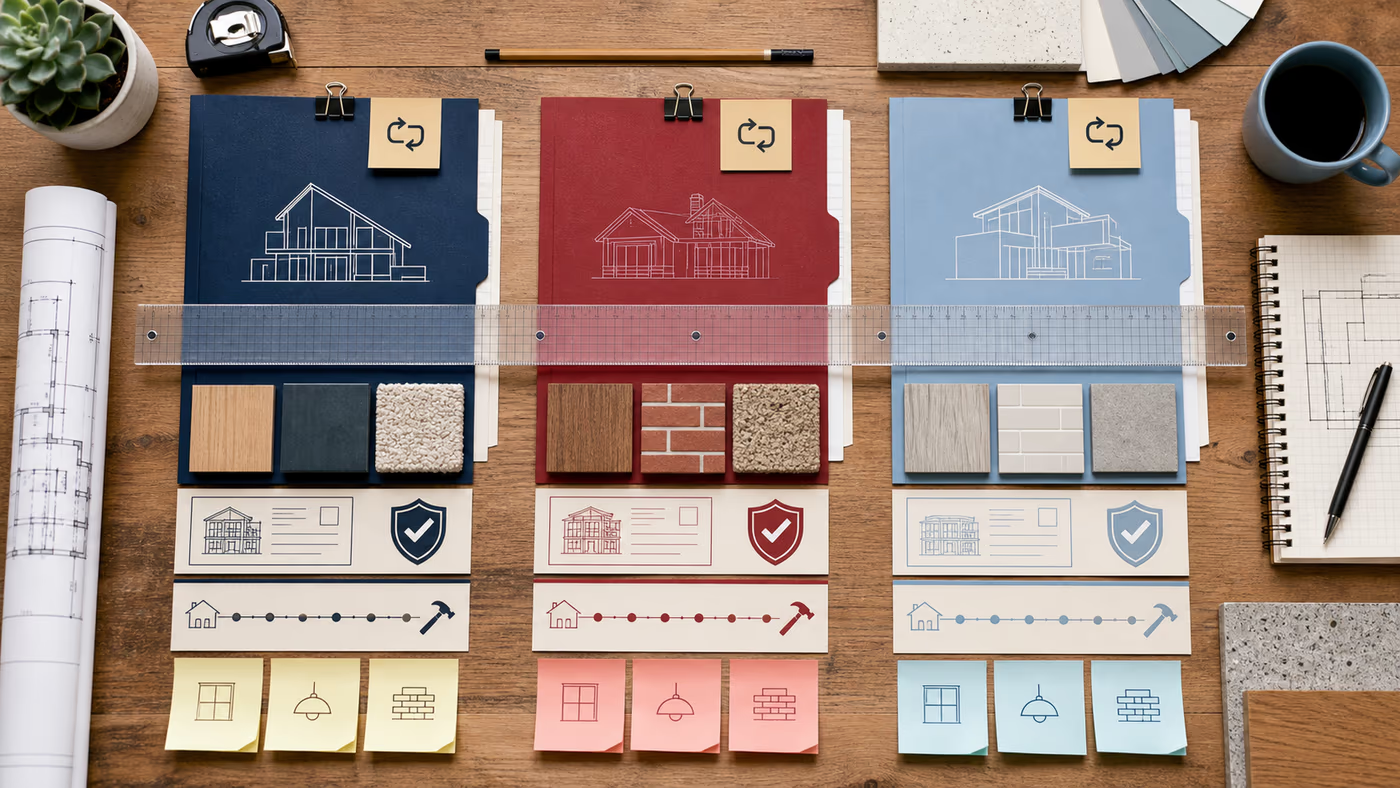
Older Home or New Build? Count More Than Price
One house offers mature trees and a known neighborhood. The other offers newer systems and a construction schedule. Compare the next ten years, not just closing day.
Open the guide →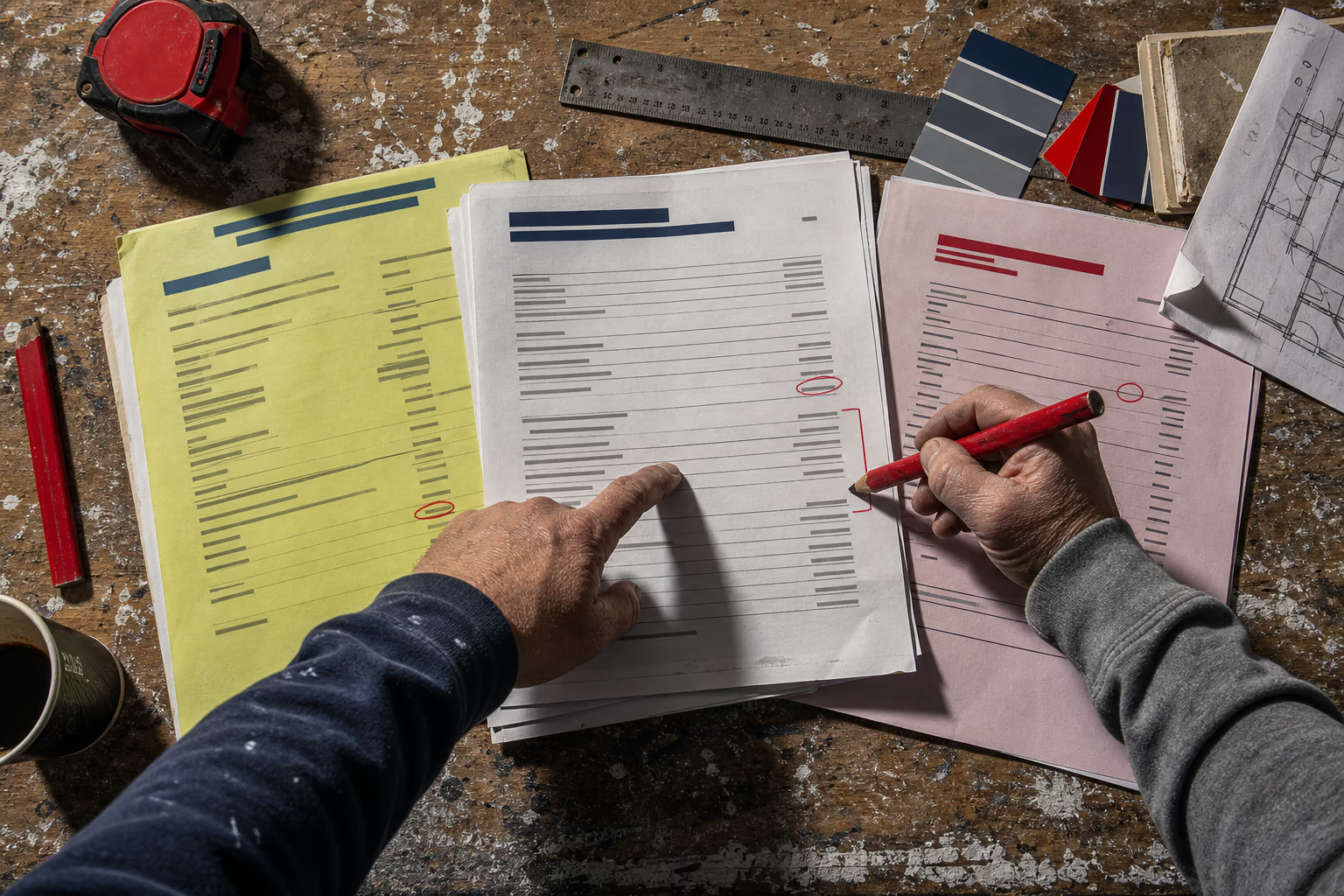
The Cheapest Quote Can Cost the Most
Three contractors price the same kitchen. One bid is thousands lower. Before celebrating, find out what the low number quietly left on your side of the table.
Open the guide →
Your Home Emergency Fund Needs Two Buckets
One account handles the irritating little repairs. The other protects the mortgage when life delivers a much bigger hit. Mixing them can make both look healthier than they are.
Open the guide →
The Permit Comes Before the Hammer
A contractor is ready Monday. The cabinets are in a warehouse. Before demolition, make sure the city agrees the plan is allowed—and knows who is responsible for it.
Open the guide →
Measure the Door Before Buying the Fridge
A great appliance deal stops being great when it cannot turn the hallway corner—or when the old wiring, water line and delivery fee join the receipt.
Open the guide →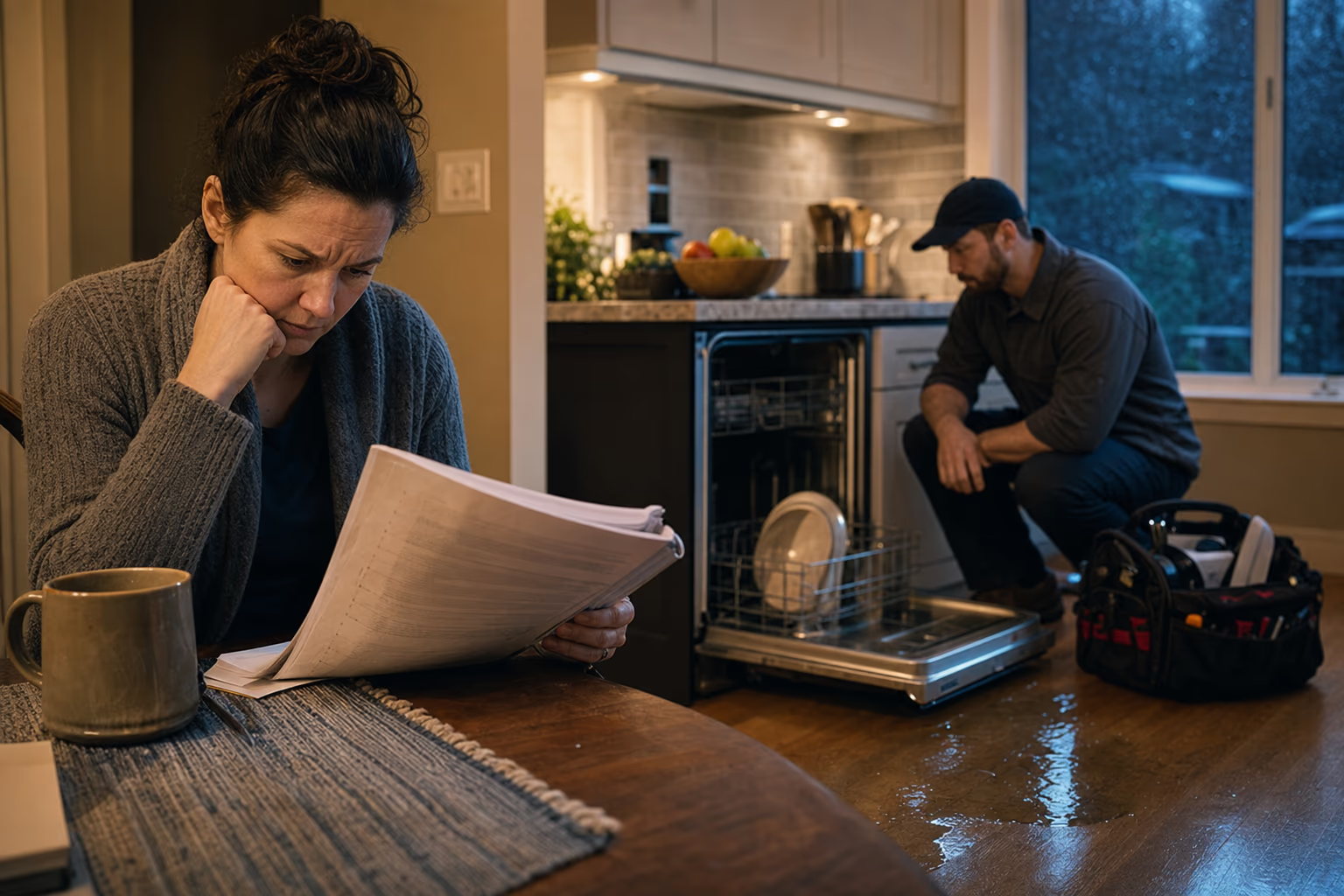
A Home Warranty Is Not a Repair Fund
It may pay toward a covered failure. It may also send a technician, charge a service fee and point to an exclusion. Read the contract as a claims process—not a promise that the house cannot surprise you.
Open the guide →
The First-Year Home Bill Nobody Shows You
Closing day gets the photos. The next 12 months get the air filters, utility deposits, tools, repairs and rooms that still need somewhere to sit.
Open the guide →
The Inspection Passed. Keep Looking.
A home inspection can save a deal—or save you from one. It still cannot see through walls, predict every failure or replace the specialists a particular house may need.
Open the guide →
The Cheapest State Can Cost You More
Housing gets the headline. Insurance, child care, utilities, taxes, commuting and the job you can actually keep decide whether the move feels cheaper.
Open the guide →
Before You Buy Solar, Read the Roof
The solar quote can look tidy while the roof, shade, utility rules, insurance and contract still have important questions of their own.
Open the guide →
House, townhome, condo or apartment?
A warm, practical comparison of privacy, maintenance, monthly costs, rules, flexibility and resale risk before you choose how to live.
Open the guide →
Should you buy a house at auction?
The discount can be real, but so can title defects, hidden repairs, unpaid charges, limited inspection and a long possession process when someone still lives there.
Open the guide →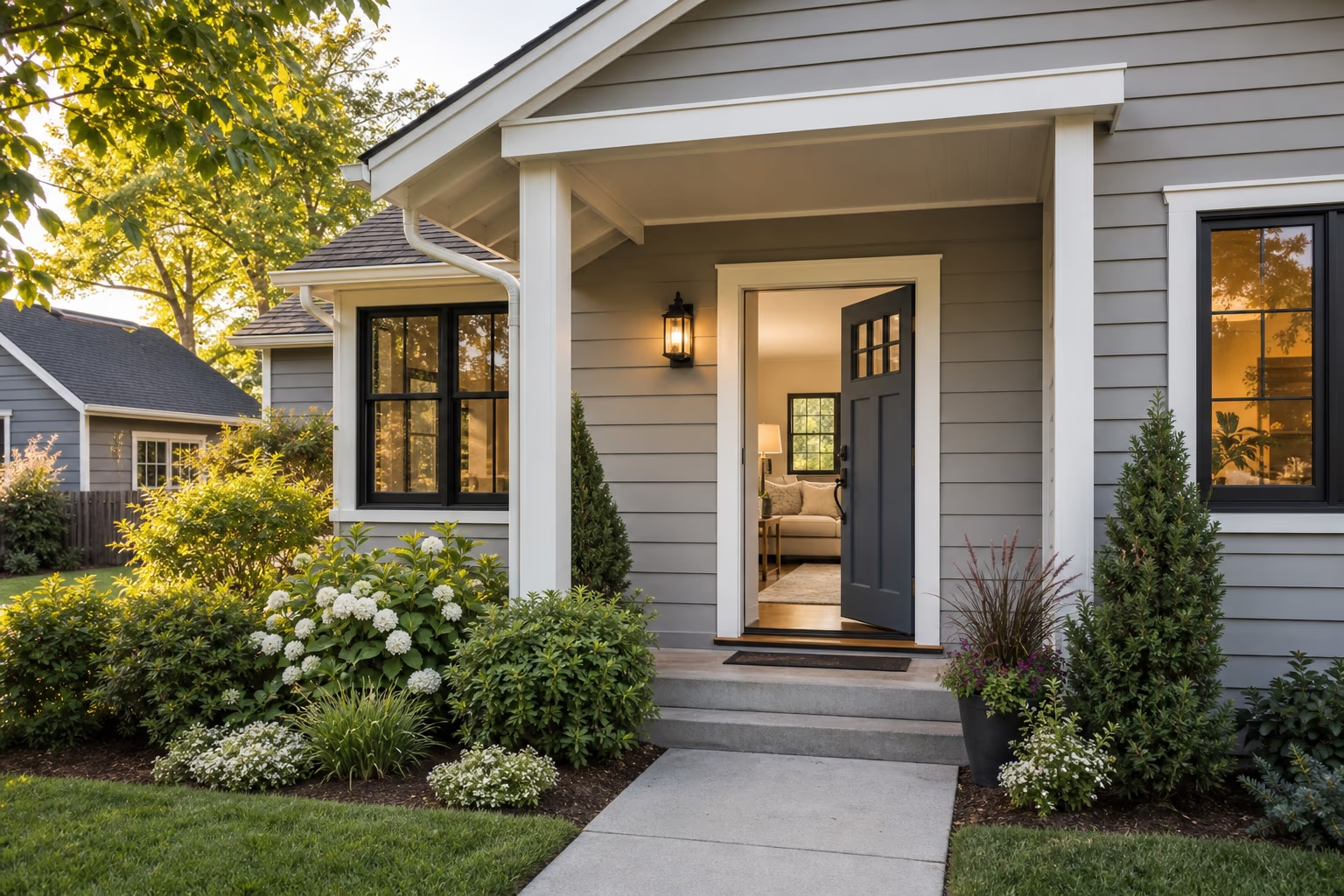
10 things that can increase your home’s value before selling or renting
A practical, image-led checklist for making a property feel safer, cleaner, brighter, easier to maintain, and more move-in ready.
Open the guide →
Modern home design on a real-world budget
A room-by-room way to make your home feel current, comfortable, and collected—without replacing everything you own.
Open the guide →
A small living-room layout that actually feels bigger
Use scale, circulation, light, and storage to turn a tight room into a comfortable place to live—not a showroom of tiny furniture.
Open the guide →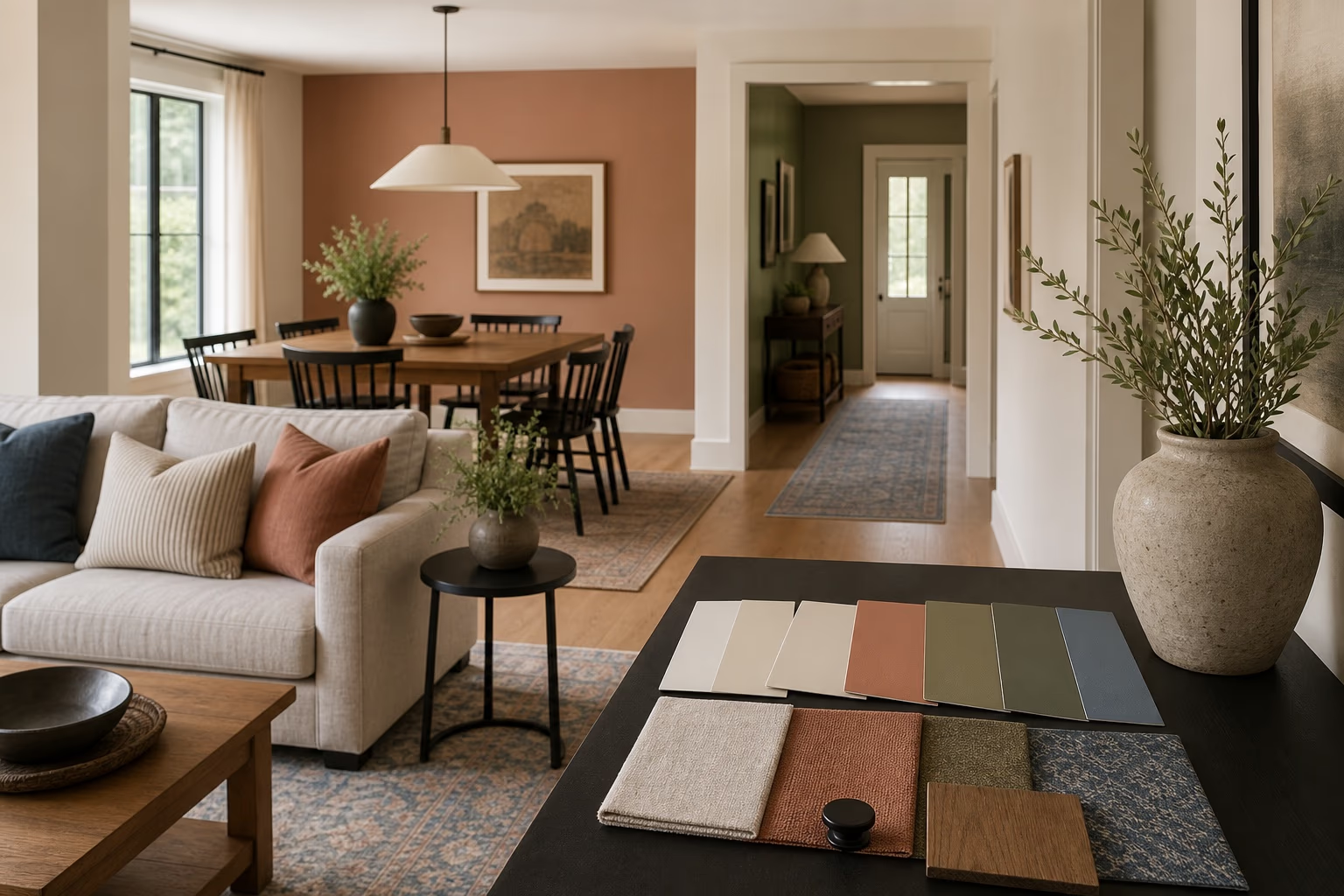
How to build a whole-home color palette
Choose colors that flow from room to room while still giving each space a personality of its own.
Open the guide →
Layered lighting, room by room
Combine ambient, task, and accent light so your home works in the morning and feels welcoming at night.
Open the guide →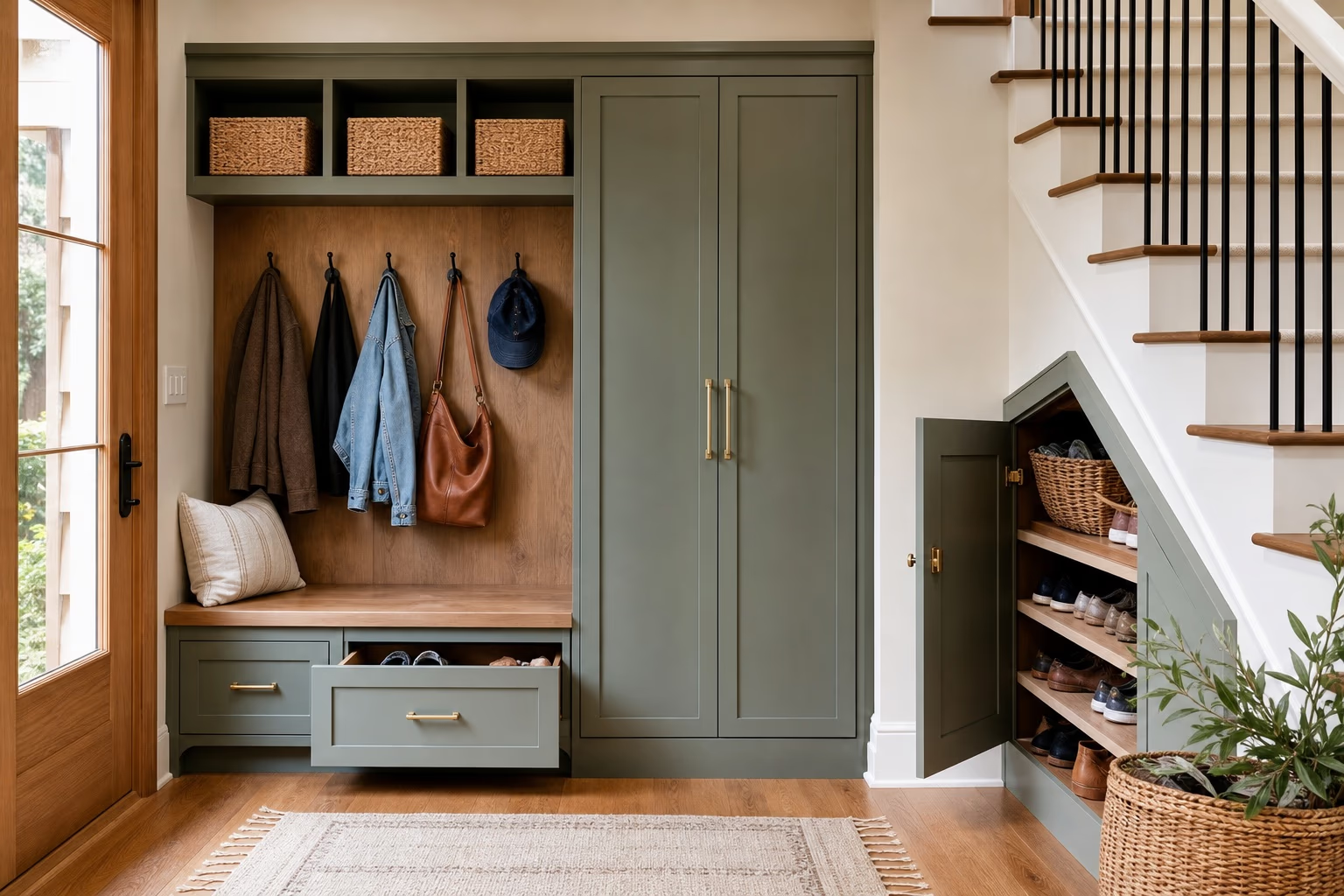
Hidden storage ideas for every room
Practical places to store the things you use—so cleanup takes minutes and the home still feels relaxed.
Open the guide →
The warm minimalist bedroom formula
Build a calmer bedroom with fewer pieces, better texture, useful bedside lighting, and a layout that supports sleep.
Open the guide →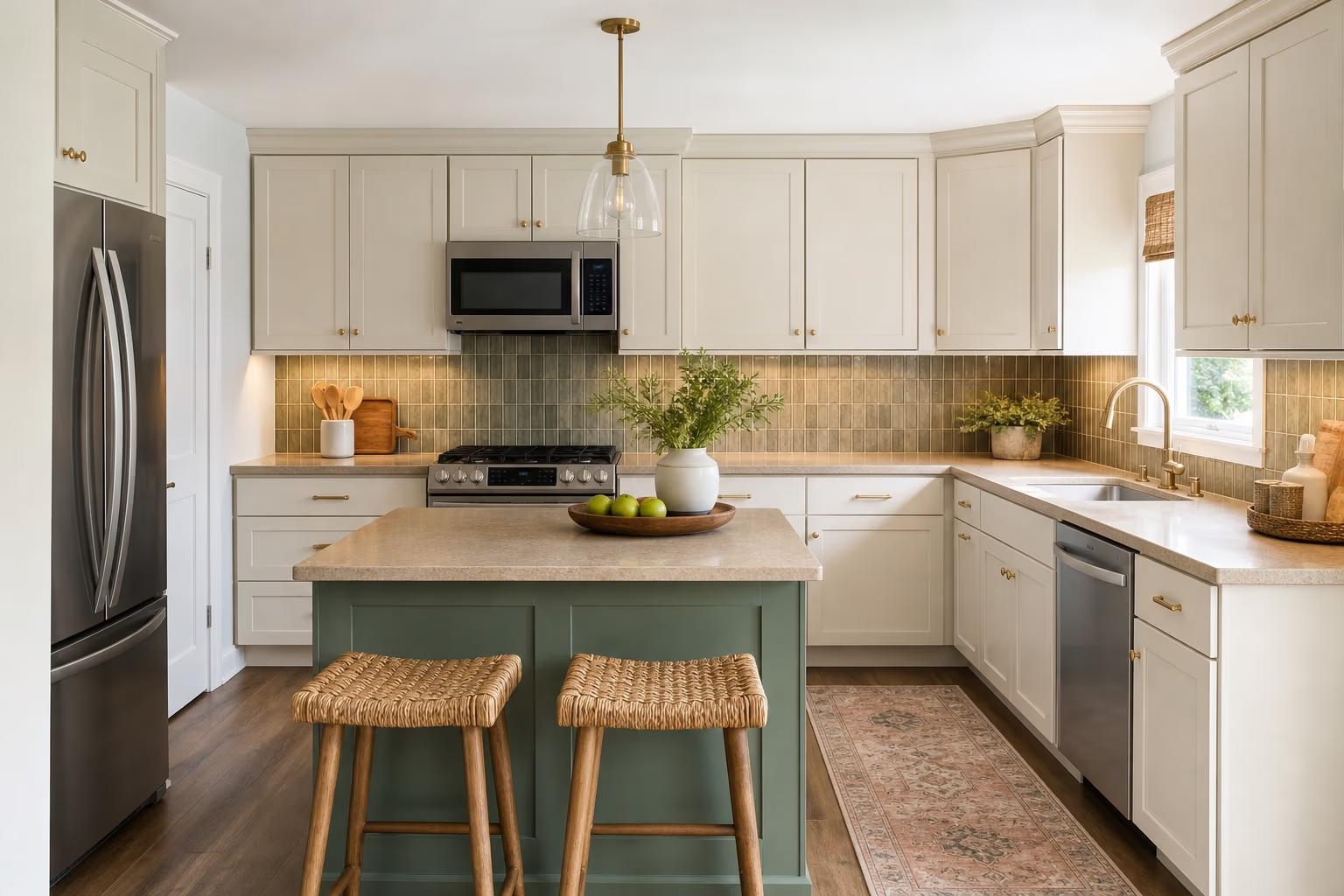
Refresh a kitchen without a full remodel
Prioritize paint, hardware, light, storage, and a few high-impact surfaces before committing to demolition.
Open the guide →
Make your home look more expensive—for less
Eight visual upgrades that create scale, calm, and finish without pretending every room needs luxury materials.
Open the guide →A better room can start before you buy anything.
- 01Clear the route.
Protect the main walkway and remove furniture that makes every trip a sidestep.
- 02Warm the light.
Match bulb temperatures and add useful light beside the task—not across the room.
- 03Fix the scale.
Test rug, art, and curtain dimensions with tape before spending a dollar.