Ask the local building department whether the exact scope needs permits, plans or licensed trades before signing the construction schedule. Put responsibility for applications, fees, inspections and corrections in the contract. Verify that the permit is issued—not merely applied for—before covered work starts, and keep the final approvals.
Plans, trade permits, fees and required reviews
Rough framing, plumbing, electrical, mechanical and final checks as required
Final approval, certificates, plans and documents a future buyer may request
Planning ranges and scenarios are starting points, not quotes or promises. Replace them with current documents and property-specific evidence before spending money.
The same project changes at the city line
Moving a sink, opening a wall or replacing a water heater may trigger different permits depending on the jurisdiction and building. Condominiums and historic districts can add another approval layer. A social-media checklist cannot answer for your address.
Describe the exact work to the local building department and use its official portal. Ask which parts are exempt, which require plans and which must be performed by licensed trades.
- Use the official local portal
- Describe the full scope
- Save the written answer
An application is not an issued permit
Confirm the permit number, approved scope, responsible contractor and issue status. If plans are required, make sure the work in the field matches the approved set. A permit for one trade does not necessarily cover structural, electrical, plumbing and mechanical work.
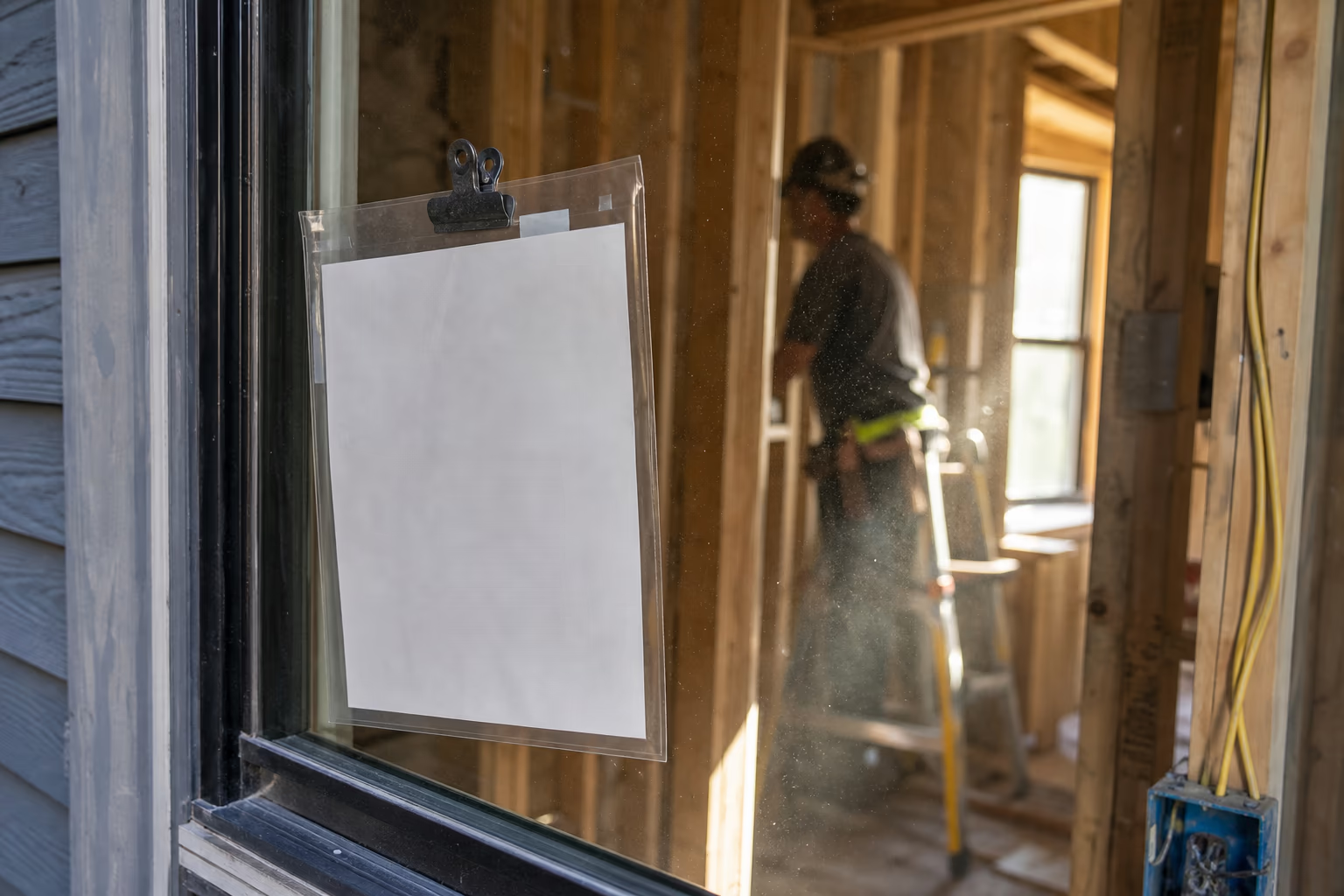
Post or display documents as required and keep a digital copy. That simple record makes it easier to resolve a question when crews, inspectors or project managers change.
Name the permit owner in the contract
The contract should say who prepares plans, applies, pays fees, schedules inspections, responds to corrections and closes permits. Verify that the person pulling the permit is legally allowed to do so and that the contractor information matches the company you hired.
Be cautious when a contractor asks you to pull an owner-builder permit simply to avoid licensing or insurance requirements. Owner-builder rules can make the homeowner responsible for duties they did not expect.
Inspections protect work you will soon hide
Rough inspections often happen while framing, wiring, piping or ductwork is still visible. Covering work too early can force expensive reopening. Build inspection hold points into the schedule and do not let material delivery pressure erase them.
A passed inspection is not a warranty of every detail, but it is an important public record that required checks occurred at the right stage.
Close the permit like you close the project
Before final payment, confirm required final inspections and approvals are complete. Collect approved plans, product documentation, lien releases where appropriate and the final permit record. Keep them with property documents.
Open permits can complicate a later sale, refinance or insurance conversation. The exact consequence depends on local law, but finishing the paperwork now is usually easier than reconstructing it years later.
Take this list with you.
Work from the evidence you already have, mark what is missing and verify the important assumptions before you commit.
- 01Describe the exact scope to the local building department
- 02Identify plan and licensed-trade requirements
- 03Verify permit responsibility in the contract
- 04Confirm the permit is issued before covered work
- 05Keep the approved plan set available
- 06Schedule inspections before work is concealed
- 07Document corrections and reinspection
- 08Confirm final approval before final payment
- 09Archive permits with home records
A few things worth knowing before you start.
Does a cosmetic renovation need a permit?
Some painting, finishes and cabinet replacement may be exempt, but moving walls, wiring, plumbing or mechanical systems often changes the answer. Verify locally for the exact scope.
Can a homeowner pull the permit?
Some jurisdictions allow it under specific owner-builder rules. Doing so can transfer legal, safety, insurance and supervision responsibilities to the homeowner.
What if work already started without a permit?
Stop covered work and contact the local department. The remedy may involve after-the-fact applications, fees, exposing concealed work or corrections; the rules are local.
Does a passed permit inspection guarantee workmanship?
No. It confirms the work met the inspected code requirements at that stage. Contract quality, warranties and independent expertise remain separate issues.
Check the original guidance.
- New York City Department of Buildings — Obtaining a permit↗
- New York City Department of Buildings — Home improvement contractor permit requirements↗
- Federal Trade Commission — How to avoid a home improvement scam↗
Sources provide the current national or program context reviewed on the date above. Contracts, loan terms, prices, eligibility, codes and property conditions still require transaction-specific verification.