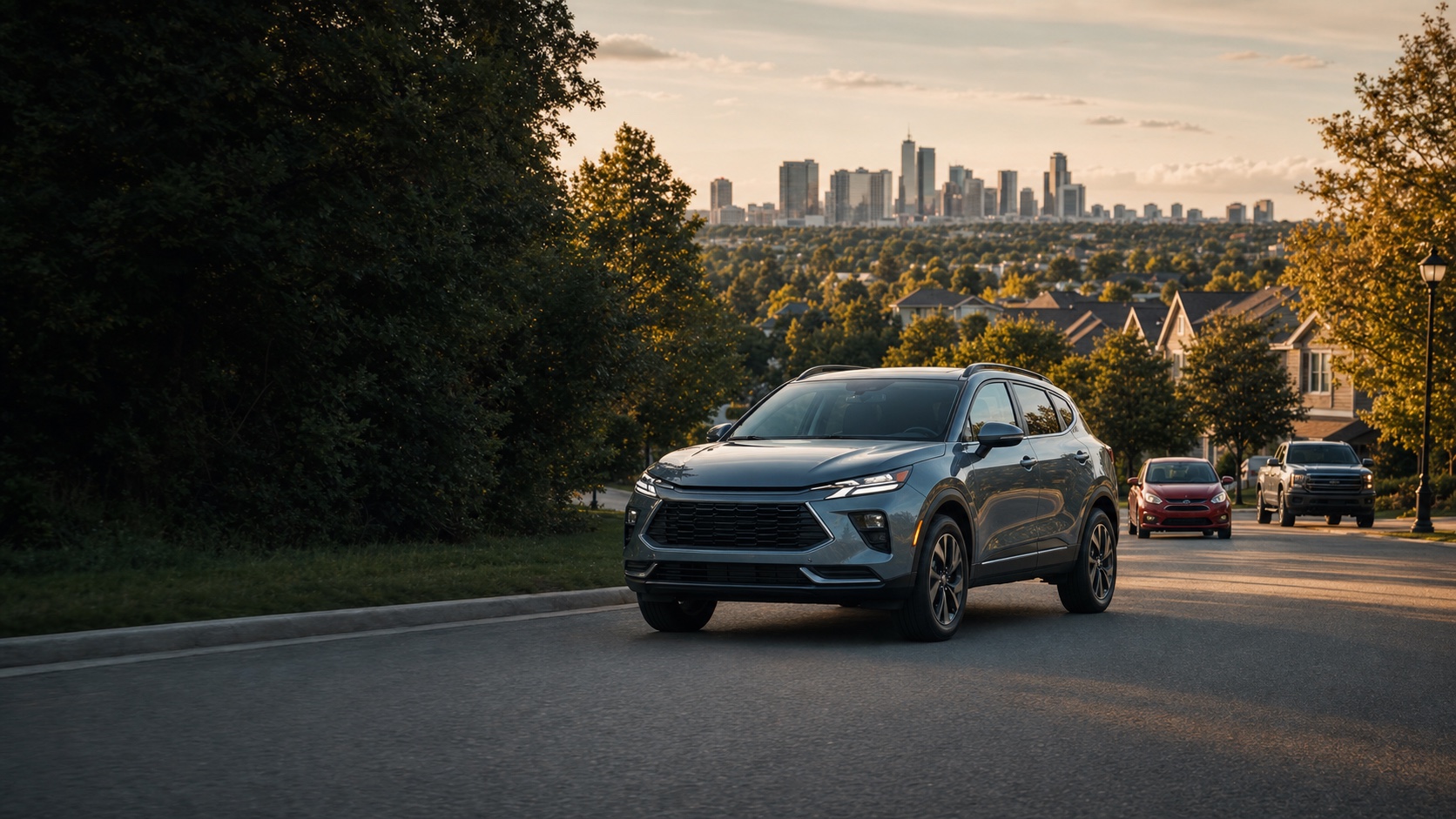
BUYER DEEP DIVE · FAMILY Honda
Honda
HondaHonda CR-V Hybrid: is practical space worth the step-up price?
A roomy, easy-to-understand family crossover with a sensible mission. We test the value case against ownership cost, not badge loyalty.
HC GRID SCORE8.6/10
WHAT WORKS
- Excellent everyday cargo usefulness
- Comfortable family and highway fit
- Predictable service availability
WHAT TO WATCH
- Purchase price can stretch the value argument
- Real highway economy may narrow the hybrid advantage
- AWD, trim and tire choices change the budget
THE VERDICT
The CR-V Hybrid is a strong practical choice, especially when cabin and cargo usefulness prevent a household from needing something larger. The math is best when the space is genuinely used.
Space that prevents an upgrade
The most valuable cargo room is the room that keeps you from buying a larger, thirstier vehicle. The CR-V Hybrid’s practical case is strongest for households that regularly carry people and bulky everyday items.
City and highway balance
Hybrid systems often look best in stop-and-go use. Drivers with mostly high-speed interstate mileage should model their own route rather than relying on a combined efficiency headline.
What to quote before choosing a trim
Run insurance on the exact VIN or closest available configuration, price replacement tires, and compare the hybrid with the gas version using the same equipment level and financing term.
What the household budget says
Our baseline uses 12,000 miles a year and separates energy, maintenance and wider ownership risk. It is a planning model, not a dealer, insurer or repair quote.
Fuel / energy$1,137modeled annual
Maintenance reserve$1,296modeled annual
Total range$8,633–$11,03312K-mile planning range
Families who value an easy cabin, useful cargo shape and long-distance comfort more than the lowest possible purchase price.
Open the full ownership-cost profile →CRASHWORTHINESS · RECALLS · STRUCTURE
Safety should be compared by exact year and trim.
NHTSA stars below are loaded from the official 5-Star Safety Ratings API. At most the first three tested variants are shown in NHTSA order. IIHS uses a separate crashworthiness and crash-avoidance test program.
Loading official NHTSA tests and recalls…
Star ratings apply only to the shown model year and tested variant. They cannot be transferred automatically to another year, trim, body style or build date. Recall count is model-level; use the VIN lookup to see whether a specific vehicle has an unrepaired recall.
More expert cost reviews
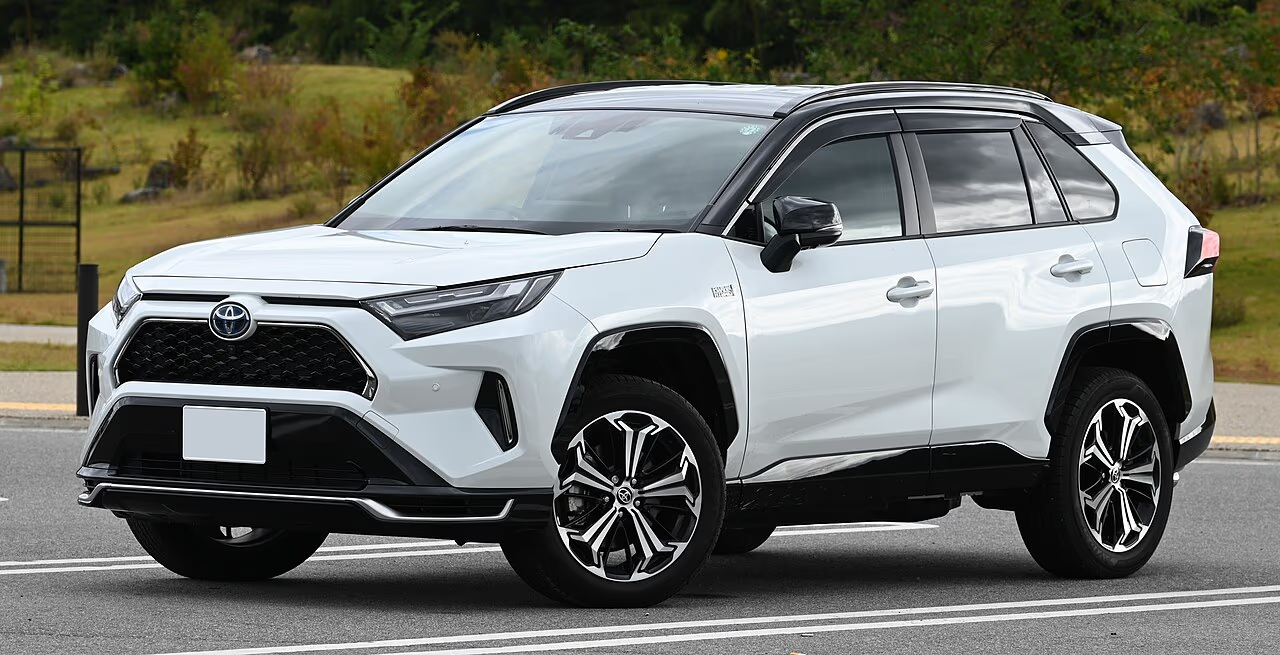
 Toyota
Toyota RAV4 Hybrid: the family default, tested against the whole budget
8.8/10 · Read →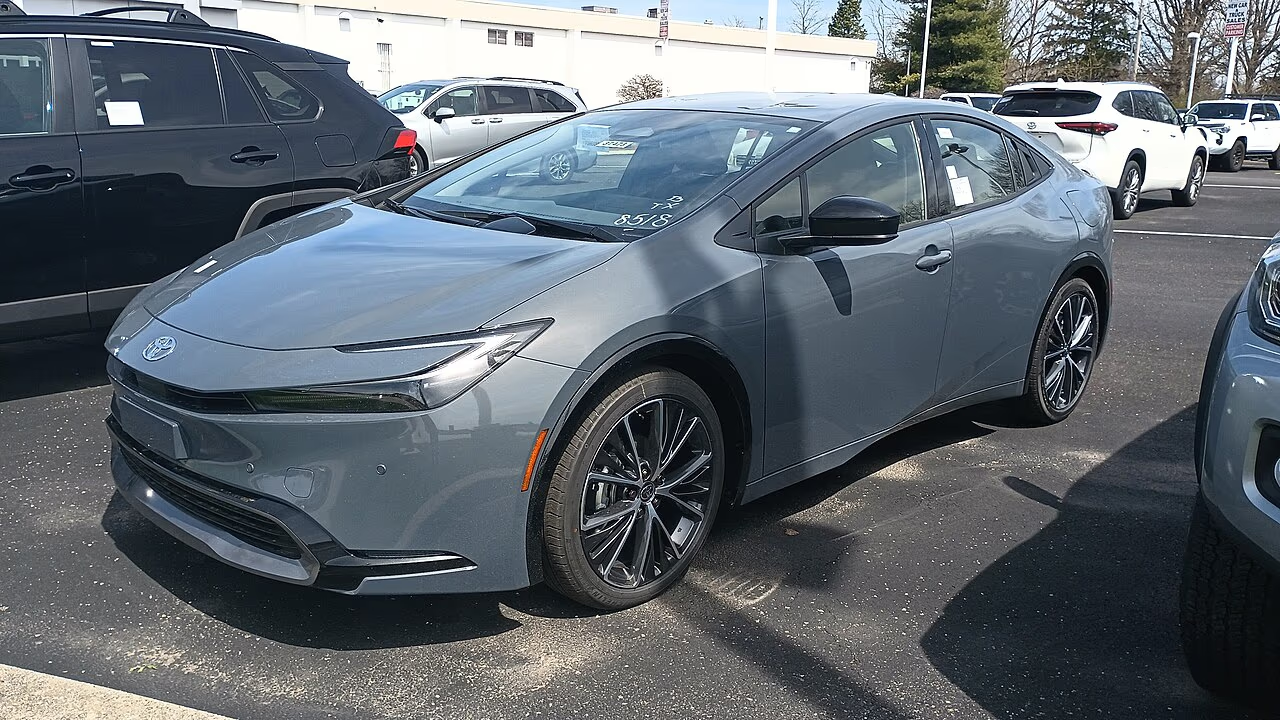 Toyota
Toyota Prius: the high-mileage city answer with one important caveat
8.7/10 · Read →
 Ford
Ford