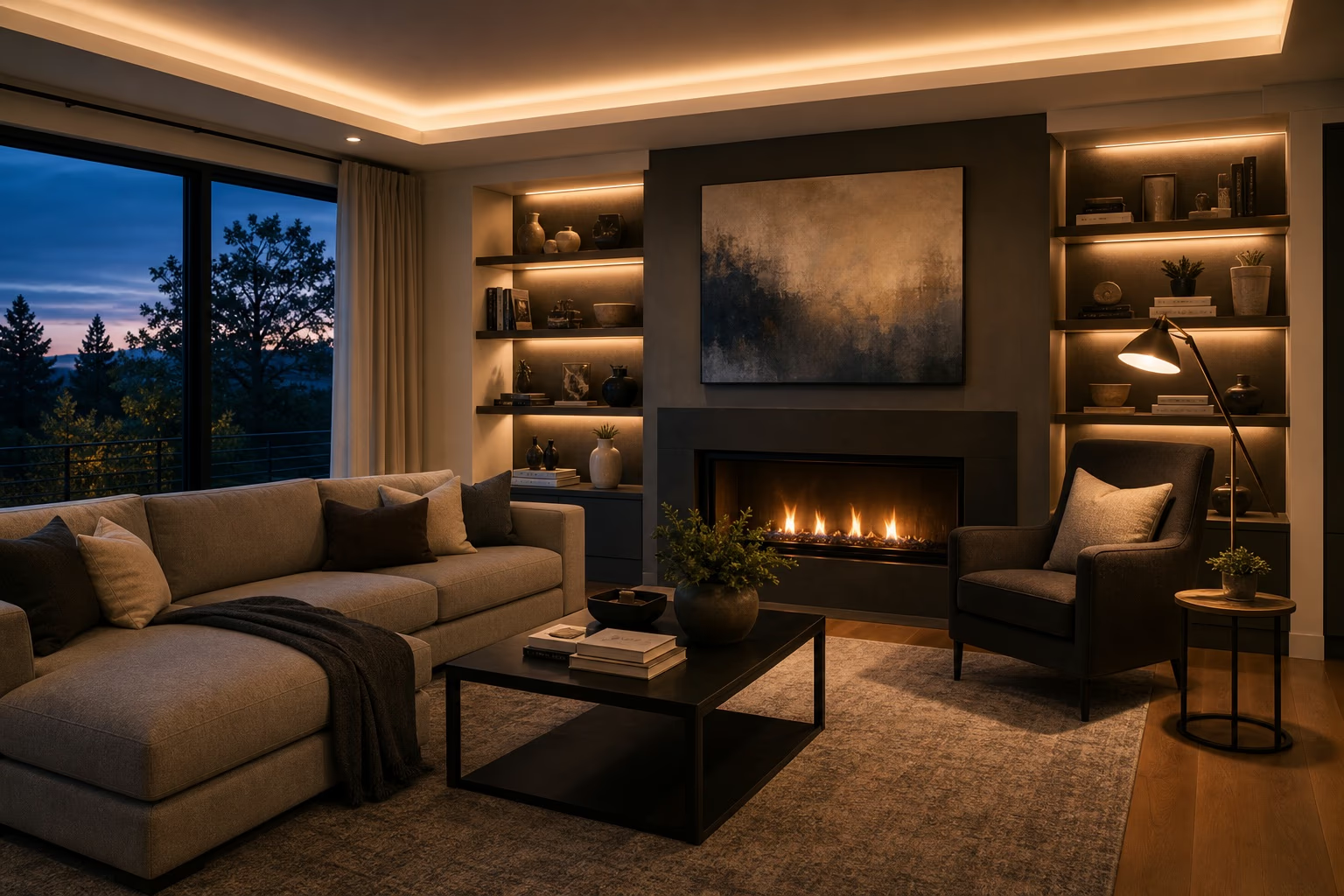
Most rooms need three jobs covered: general light for moving around, focused light for a task, and softer accent light for depth. Put the layers on separate switches whenever possible.
Matching color temperature and adding task light
Dimmers, two lamps, and an improved main fixture
Electrician-installed circuits and fixtures
Planning ranges and scenarios are starting points, not quotes or promises. Replace them with current documents and property-specific evidence before spending money.
Give every light a specific job
Ambient light helps people move safely, task light supports reading, cooking, grooming, or work, and accent light adds depth. A single bright ceiling fixture tries to do everything and usually creates glare and flat shadows.
Write down what happens in the room after dark. That list will tell you where focused light belongs and which corners need a softer glow.
- Use lamps at different heights
- Keep main layers on separate controls
- Add dimmers where compatible
Living rooms and bedrooms need pools of light
In living rooms, place reading light near the seat—not in a distant corner—and use an accent lamp or shelf light away from it. The distance between sources creates depth.
Bedrooms benefit from individually controlled bedside light, a gentle ambient source, and practical closet lighting. Avoid a bare bright bulb directly over the pillows.
Kitchens and bathrooms need accuracy
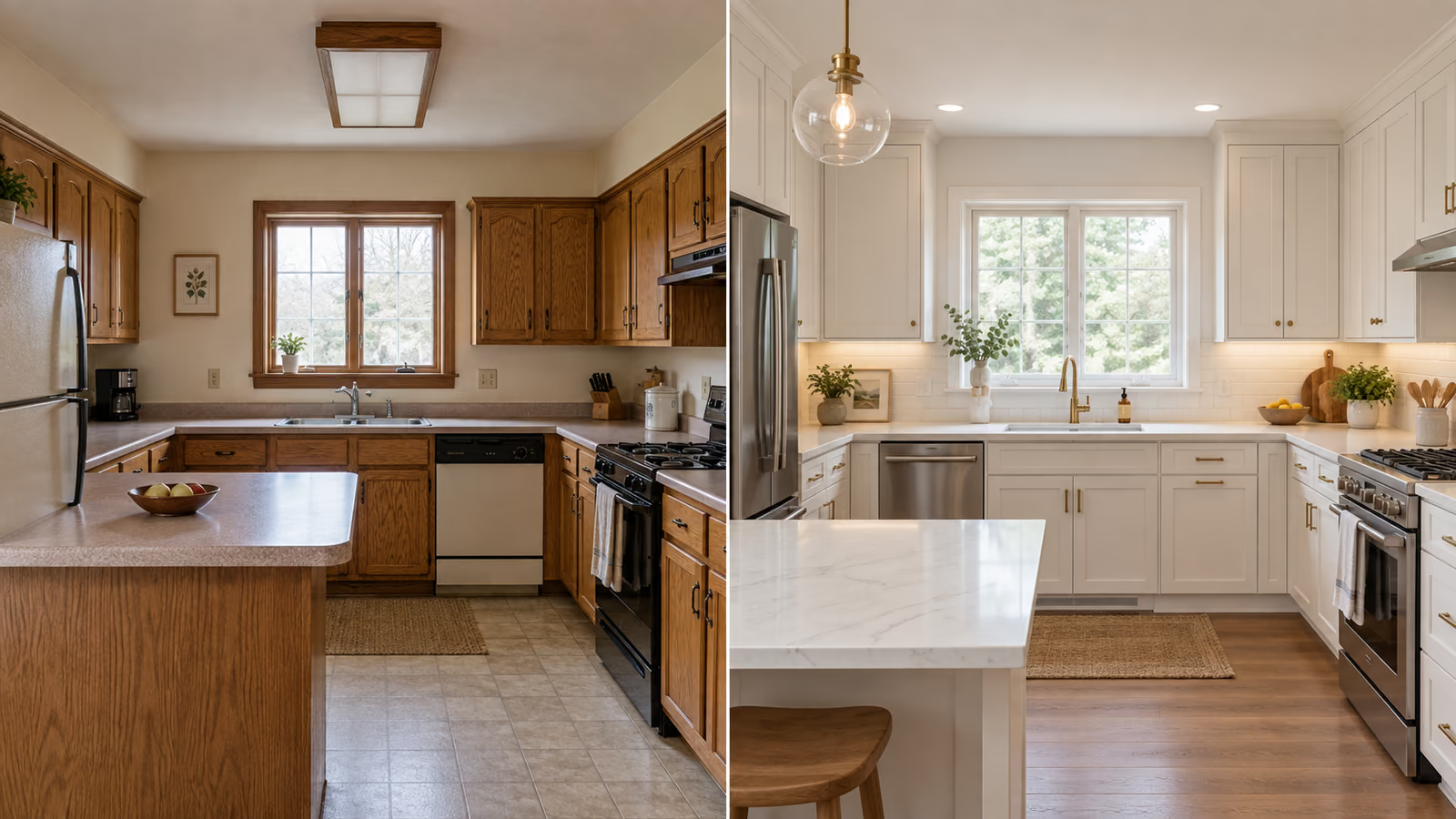
Kitchen task light should reach the counter from in front of you, which is why under-cabinet lighting is so effective. A ceiling fixture behind your shoulders can cast your shadow on the work surface.
At a bathroom mirror, light from both sides is generally more even than a single strong source overhead. Choose fixtures and bulbs rated for the location and have hardwired work completed by a qualified professional.
Match color temperature before brightness
Mixing icy and amber bulbs in the same sightline makes even a well-designed room feel unsettled. Warm 2700K to 3000K light suits many living areas; task spaces may use somewhat cleaner light if the sources still relate.
Check lumens for output and compatibility for dimming. Do not install a bulb above the fixture's rated wattage or use a product in a damp location unless it is approved for that use.
Take this list with you.
Work from the evidence you already have, mark what is missing and verify the important assumptions before you commit.
- 01List the room's after-dark tasks
- 02Identify ambient, task, and accent sources
- 03Match bulb color temperatures
- 04Move reading light beside the seat
- 05Light counters from the front
- 06Use rated fixtures and professional wiring
A few things worth knowing before you start.
How many lamps should a living room have?
There is no magic count. Aim for at least two or three useful light sources at different heights, then adjust for room size, ceiling light, and activities.
Is warm white or daylight better at home?
Warm white is comfortable for many living and sleeping areas. Cleaner light can help with detailed tasks, but consistency within connected spaces is important.
Can smart bulbs replace dimmers?
They can provide flexible scenes, but compatibility and household habits matter. A physical control that everyone understands often makes the system more reliable.