Plug-in electricity monitor
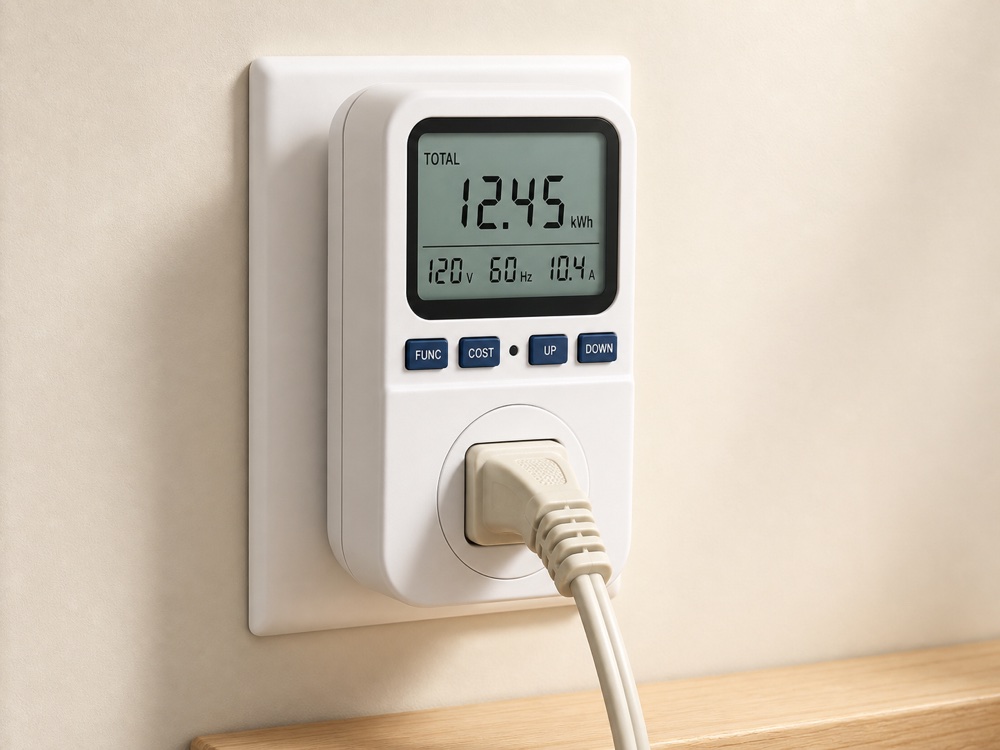
Measures appliance-level energy use instead of estimating.
One thing to check: Voltage/current rating, kWh display, memory, and outlet fit.Compare this specification across at least two retailers.
Estimate monthly electricity spending from home and household size.
Independent checklist: HomeCostGrid does not earn a retailer commission from these product examples. Compare specifications, warranty, delivered price and return terms with the seller you choose.
Measures appliance-level energy use instead of estimating.
One thing to check: Voltage/current rating, kWh display, memory, and outlet fit.Compare this specification across at least two retailers.
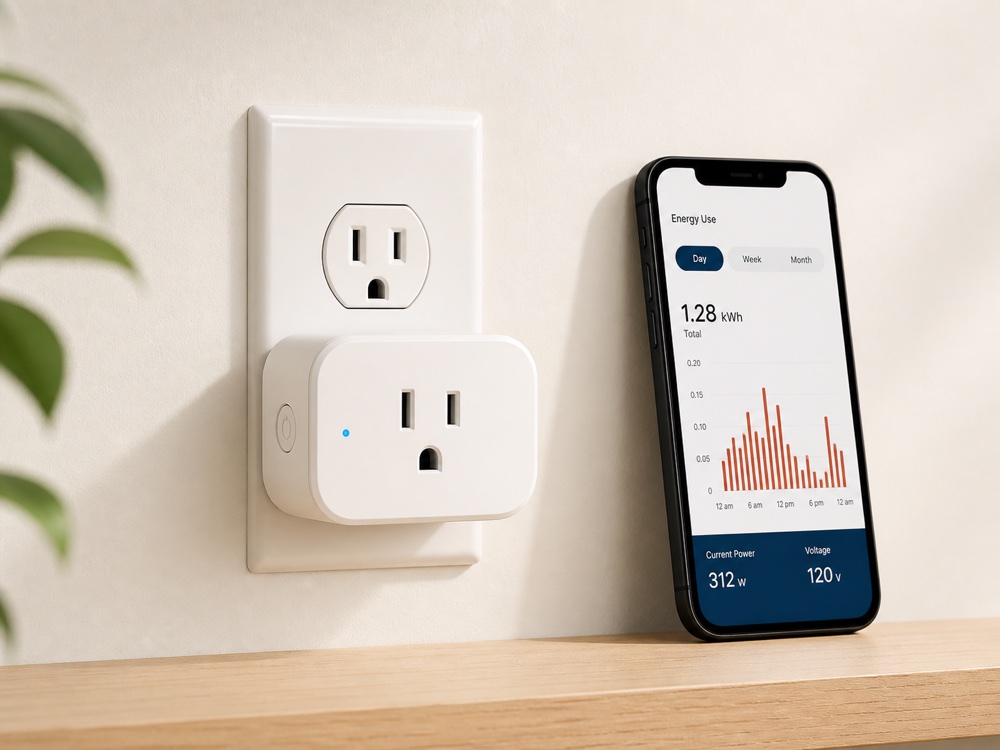
Adds schedules and remote control for compatible loads.
One thing to check: Electrical rating, platform support, and privacy.Compare this specification across at least two retailers.
Climate, rates, home envelope, HVAC, water heating, appliances, occupancy and time-of-use rules create more variation than home size alone.
modeled annual household use · HomeCostGrid planning model, not a quoteShares are planning weights. Taxes, delivery, operating expense, disposal, design and contingency can sit outside these three lines.
The bill is mainly energy and utility charges; labor appears when efficiency or electrical work is added.
No project material is assumed in the bill; equipment upgrades should be evaluated separately.
Estimating a bill needs no permit. Panels, circuits, solar, storage and major equipment may require permits.
Seasonal data prevents one hot or cold month from becoming a misleading annual estimate.
Efficiency returns require baseline use, installed cost, rate structure and equipment life. Percent-saving claims without those inputs are incomplete.
State figures apply the same scope to HomeCostGrid’s regional planning factor so the comparison stays consistent.
City figures add a metro adjustment. Exact property access, provider, jurisdiction and written scope still control.
Use the calculator range to ask better questions, compare like with like and keep optional spending visible.
Start with the largest measured loads.
Use utility interval data when available.
Fix envelope and duct losses before oversizing equipment.
Compare rebates after checking eligibility and tax treatment.
No. It is an early planning range. A local professional must price the exact scope.
Condition, access, materials, labor, permits, taxes and unexpected work can change the final total.
Rates, HVAC, electric resistance heat, water heating, pool equipment, insulation, occupancy and billing periods can outweigh floor area.
These pages pick up where this one leaves off, so you can answer the next question without starting over.
Plan the number first
Keep reading →
AL · South · Hot-humid climate
Keep reading →
Home buying evidence · Match the exact home to its tax, flood, insurance, inspection, permit, utility, association and title evidence—without mistaking a statewide benchmark or map result for parcel verification. · 15 min read
Keep reading →Plan local or interstate moving costs by home size and service level.
Keep reading →