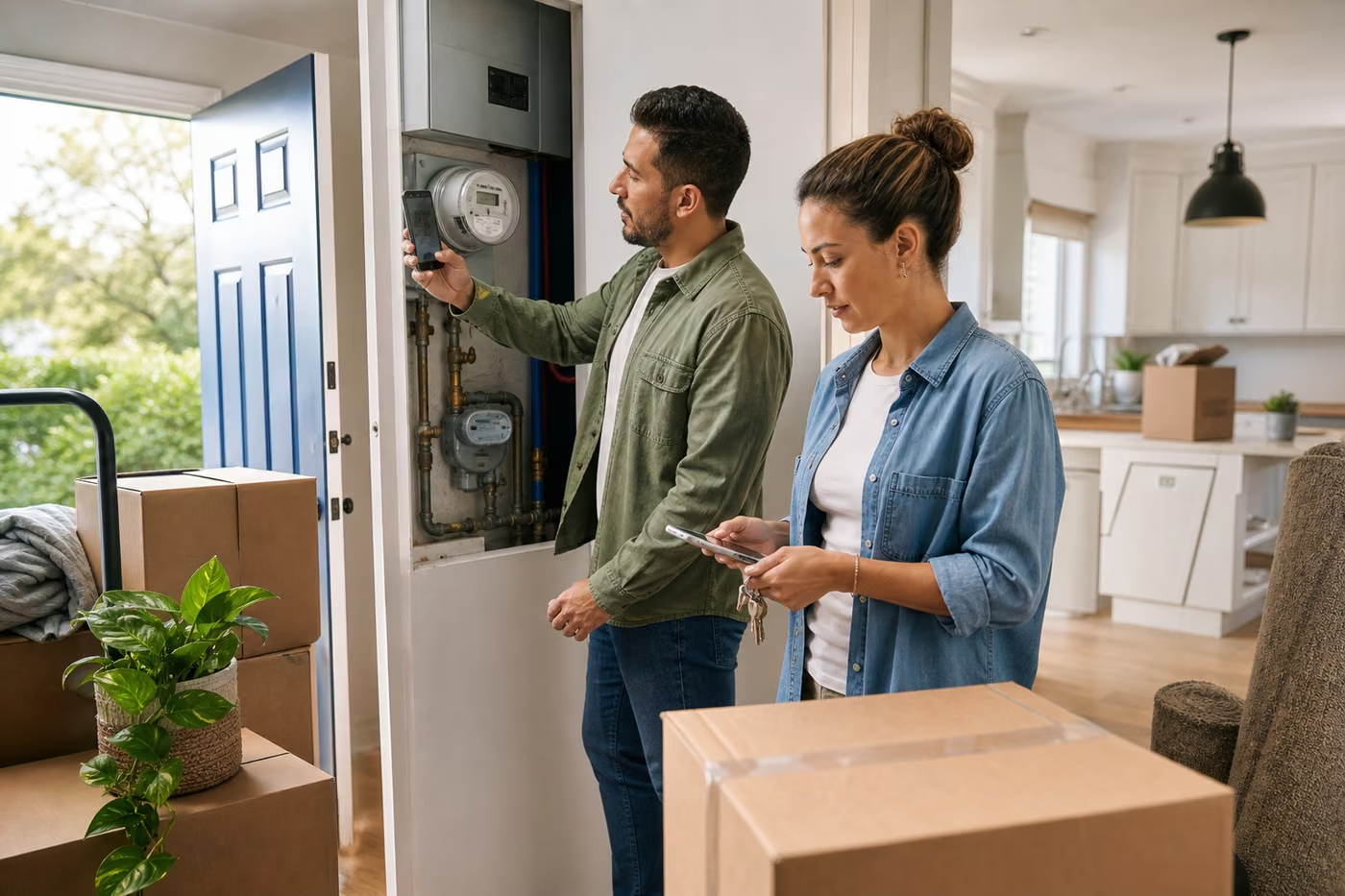
Contact every provider before moving, schedule stop and start dates, and save confirmation numbers. Photograph accessible meters at both homes, give a forwarding address, keep the old account login until the final bill and deposit are settled, and verify any autopay change. Rules, deposits and notice periods vary by provider and state.
Final readings, account balance, deposit and stop-service confirmation
Cleaning, inspection, refrigeration and avoiding a dark arrival
Deposits, connection charges and the first partial billing cycle
Planning ranges and scenarios are starting points, not quotes or promises. Replace them with current documents and property-specific evidence before spending money.
Make one provider list for both addresses
A landlord or closing packet may identify some providers, but verify responsibility in the lease or settlement documents. Water, sewer and trash may be municipal, billed through an association or kept in an owner's name. Internet equipment may have a separate return deadline.
Record provider, account number, contact method, required notice, stop date, start date and confirmation. Use official provider contact information rather than an ad or unsolicited moving-service call.
- Verify who owns each bill
- Use official provider sites
- Save every confirmation number
Choose dates around possession, not the moving truck
At the old home, responsibility may continue until the lease ends or the sale closes even if the furniture leaves sooner. At the new home, service may need to start before arrival for a final walkthrough, cleaning, heat, cooling or refrigeration.
When the contracts and providers allow it, a short overlap can reduce risk. Do not terminate service needed to protect plumbing, alarms or the property before legal possession changes.
Photograph the meter and the room around it
On the handoff day, photograph accessible electricity, gas and water meters without entering restricted areas. Capture the reading and meter identifier, then save it with the address and timestamp. A wider photo can show that the meter belongs to the property.
The provider's official reading controls the bill, and some meters transmit automatically. Your photo is a record for questions—not a guarantee that every charge will match it exactly.
Do not delete the old account after the move
Give the provider a forwarding address and keep online access until the final statement, refund or deposit application is complete. Download bills and payment confirmations. Review the service dates, final reading, credits, fees and any returned deposit.
CFPB notes that unpaid utility bills can be sent to collections and then appear on credit reports. Dispute errors promptly through the provider's official process and keep the paper trail.
Autopay deserves a two-step exit
Ask whether stopping service also changes automatic payments. Keep enough money in the linked account for the valid final bill, then confirm the draft amount and date. Cancel autopay only through the official account and save the confirmation after the balance is resolved.
At the new address, check the first bill before automating it. Confirm the rate plan, account holder, deposit, service address and whether budget billing or optional products were added.
Change the address through official channels
Update the Postal Service through the official USPS route linked by USAGov, then separately notify banks, insurers, employers, licensing agencies and subscription services. Mail forwarding does not update every account and may not cover every piece of mail.
HomeCostGrid action: keep a one-page moving ledger for 60 days after the handoff. Mark each old service closed, final bill paid, deposit returned and new service verified before deleting logins or discarding meter photos.
Take this list with you.
Work from the evidence you already have, mark what is missing and verify the important assumptions before you commit.
- 01List every provider at both addresses
- 02Verify responsibility in lease or closing papers
- 03Schedule stop and start dates in advance
- 04Save provider confirmation numbers
- 05Photograph accessible meters on handoff day
- 06Give every old provider a forwarding address
- 07Keep account access through the final bill
- 08Verify autopay and deposit treatment
- 09Update the address through official channels
A few things worth knowing before you start.
When should I stop utilities at the old home?
Use the lease, closing and provider rules. Responsibility may extend to the end of possession, not the day the moving truck leaves.
Should utilities overlap for a day?
When contracts, budget and provider rules allow it, a short overlap can help with cleaning and a safe arrival. It is not required or available everywhere.
Can an unpaid utility bill affect credit?
Routine payment history is not always reported, but CFPB says an unpaid bill sent to collections can appear on a credit report. Resolve or dispute final bills promptly.
Does mail forwarding update utility accounts?
No. Notify each provider directly and separately update other organizations. Mail forwarding is not a universal account-address change.
Check the original guidance.
- California Public Utilities Commission — Start, stop or transfer utility service↗
- Consumer Financial Protection Bureau — Utility bills and credit reports↗
- USAGov — Change your address↗
- Consumer Financial Protection Bureau — Ways to pay your bills↗
Sources provide the current national or program context reviewed on the date above. Contracts, loan terms, prices, eligibility, codes and property conditions still require transaction-specific verification.