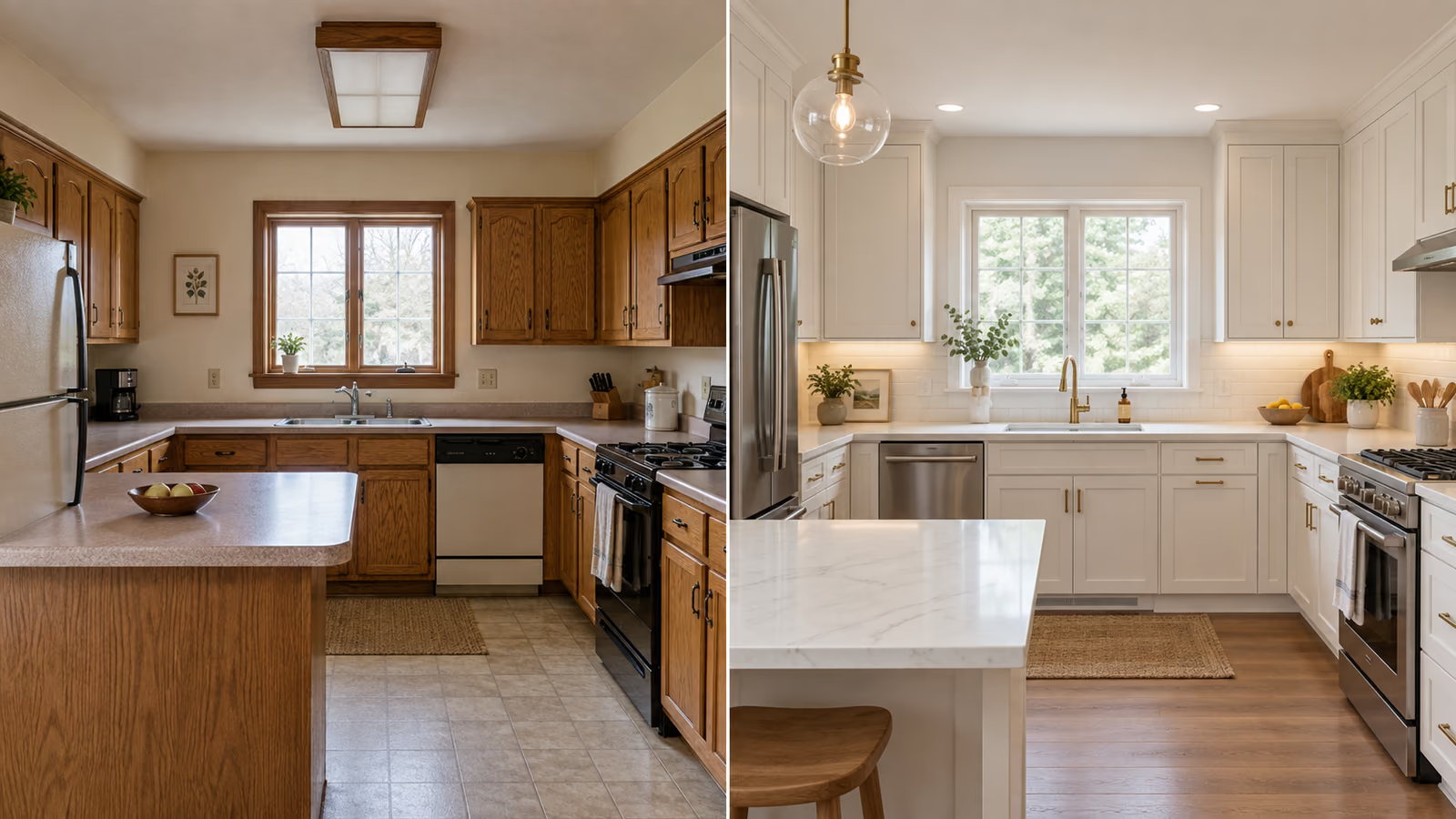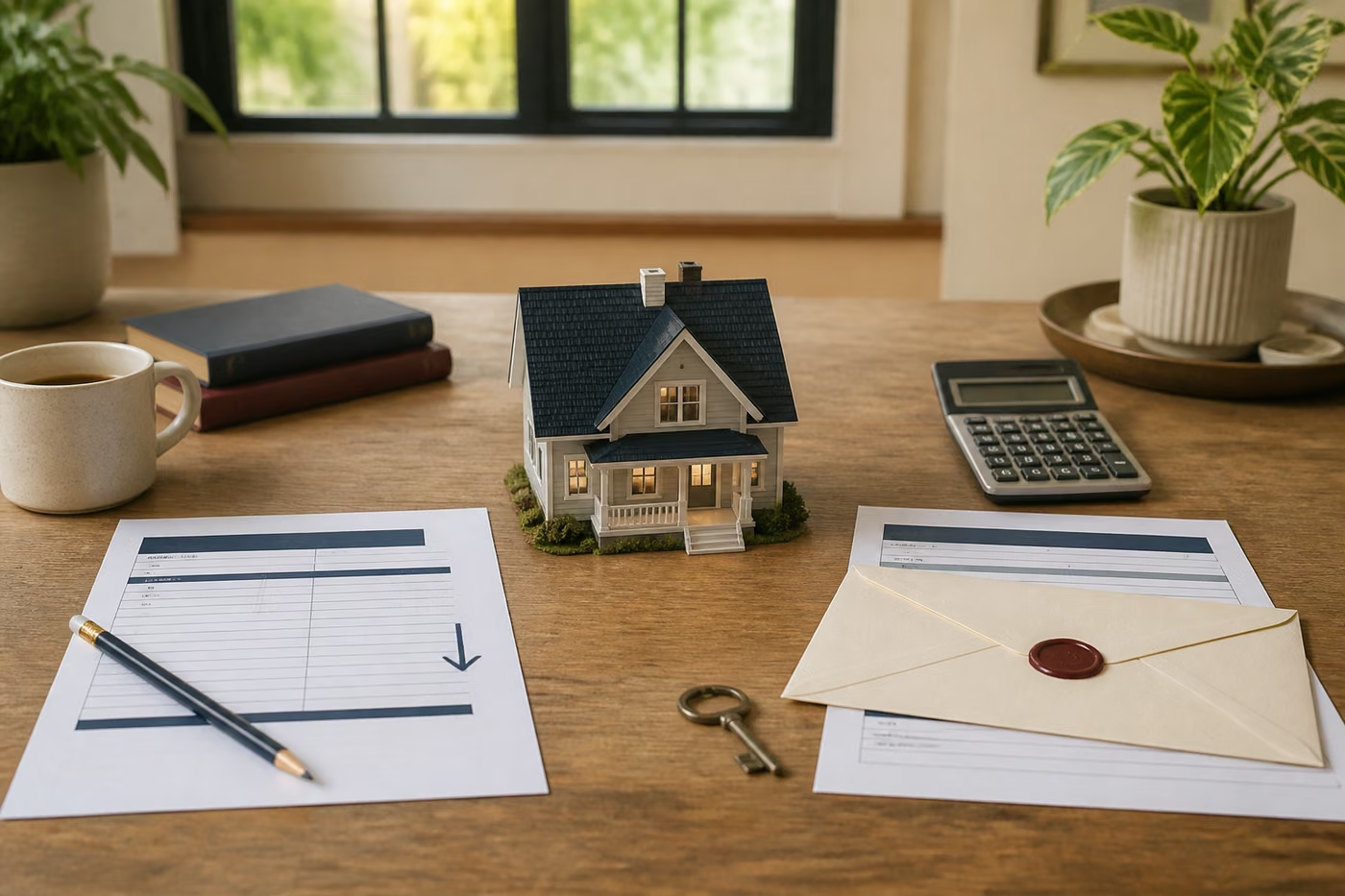
Keep the down payment, closing costs and first-year setup budget as three separate numbers. Before move-in, build a 12-month list for immediate safety work, utility setup, basic tools, maintenance, furniture and one unglamorous surprise. Then delay the decorative shopping until the house has shown you how it actually lives.
Locks, detectors, utility setup, cleaning and the few tools needed immediately
Filters, drainage, small repairs, storage and rooms used every day
A repair, insurance change or appliance failure that was not in the listing photos
Planning ranges and scenarios are starting points, not quotes or promises. Replace them with current documents and property-specific evidence before spending money.
Closing day is not the end of the cash-to-close story
The boxes are still in the hallway when the practical spending begins. A lock does not feel quite right. The smoke detector chirps. The previous owner left one shower curtain rod and no ladder. None of these is a catastrophe, yet together they can make a carefully planned month feel strangely expensive.
Start by separating transaction costs from the cost of living in the house. CFPB closing documents can include lender charges, title services, prepaid interest, insurance and initial escrow funding. Those are not the same as the cash you will need after the movers leave. Give the new-home budget its own line before you use what is left for furniture.
- Keep one post-closing account untouched
- List what must work on night one
- Wait to furnish rooms you have not used yet
Buy safety and function before matching furniture
Walk the home as if you were staying there tonight. Check exterior locks, smoke and carbon-monoxide alarms, stair lighting, handrails, water shutoffs and the electrical panel label. Confirm where the main water, gas and electrical disconnects are. If something appears unsafe, damaged or outside your experience, bring in a qualified professional rather than improvising.
This first pass is deliberately boring. That is its value. A household that knows how to shut off a leaking supply line is better prepared than one that bought the perfect sofa before finding the valve.
Let the first utility bills introduce the house
Previous bills are useful clues, not promises. Household size, thermostat settings, work-from-home schedules, pool equipment, irrigation and rate plans can make two families use the same house very differently. Record the first three months of electricity, gas, water, trash and internet before deciding what is normal.
Use that short history to find the obvious leaks in the budget: an old filter, a constantly running toilet, sprinklers watering the sidewalk or a plan with services you do not use. Small corrections are easier to judge when you have the bill and the behavior in the same notebook.
The house will ask for a small toolbox
A tape measure, flashlight, basic screwdrivers, pliers, utility knife, level, plunger and a safe step ladder cover a surprising amount of ordinary home life. Add personal protective equipment and tools only as a real task requires them. Rental can make more sense than ownership for equipment used once.
The same rule applies to supplies. Keep the correct HVAC filter size, a few compatible bulbs, batteries, touch-up information and the manuals you actually need. A neat shelf of known items is more useful than a garage full of optimistic purchases.
Make a maintenance calendar while the inspection is fresh
Pull the inspection report, seller disclosures and appliance information into one simple calendar. Note roof and HVAC age, filter schedule, gutter cleaning, seasonal drainage checks, pest history, water-heater care and any specialist follow-up the inspector recommended.
Do not treat every note as an emergency. Sort items into now, this season and watch. That keeps a long report from becoming either panic or a forgotten PDF. Photograph model numbers and shutoffs once, then store the images where everyone in the household can find them.
Furnish the life that appears—not the one you imagined
The dining room may become the homework room. The sunny bedroom may be too warm for an office. The entry may need shoe storage more urgently than the living room needs a second chair. Give the home a few weeks to reveal these patterns.
Measure before buying, keep delivery access in mind and finish the most-used room first. A slower home can look incomplete for a little while, but it is less likely to fill with costly furniture that solves the wrong problem.
Take this list with you.
Work from the evidence you already have, mark what is missing and verify the important assumptions before you commit.
- 01Separate closing cash from the first-year home budget
- 02Confirm locks, alarms, exits, shutoffs and stair lighting
- 03Record the first three months of utility bills
- 04Photograph appliance models and maintenance labels
- 05Turn inspection notes into now, seasonal and watch lists
- 06Buy a small task-based toolbox
- 07Keep a liquid repair reserve after furnishing
- 08Measure rooms and delivery routes before ordering
- 09Finish the rooms the household actually uses first
A few things worth knowing before you start.
How much should I keep after closing?
There is no safe universal number. Base the reserve on income stability, insurance deductibles, the age of major systems and the repairs identified before purchase. Keep it separate from furniture money.
Should I replace every lock immediately?
Make sure exterior access is secure when possession changes. Rekeying or replacement depends on the lock type, condition and any smart-access system. Use a qualified locksmith when needed.
What should I buy before moving day?
Prioritize safe access, working alarms, cleaning basics, bathroom essentials, simple lighting and the tools needed to assemble or measure. Most decorative purchases can wait.
Are the seller's utility bills a reliable estimate?
They are useful context, but your household, weather, rate plan and equipment use may differ. Build your own baseline from the first few bills.
Check the original guidance.
- Consumer Financial Protection Bureau — Closing Disclosure explainer↗
- Consumer Financial Protection Bureau — Closing on your new home↗
- HUD — Buying your home↗
Sources provide the current national or program context reviewed on the date above. Contracts, loan terms, prices, eligibility, codes and property conditions still require transaction-specific verification.