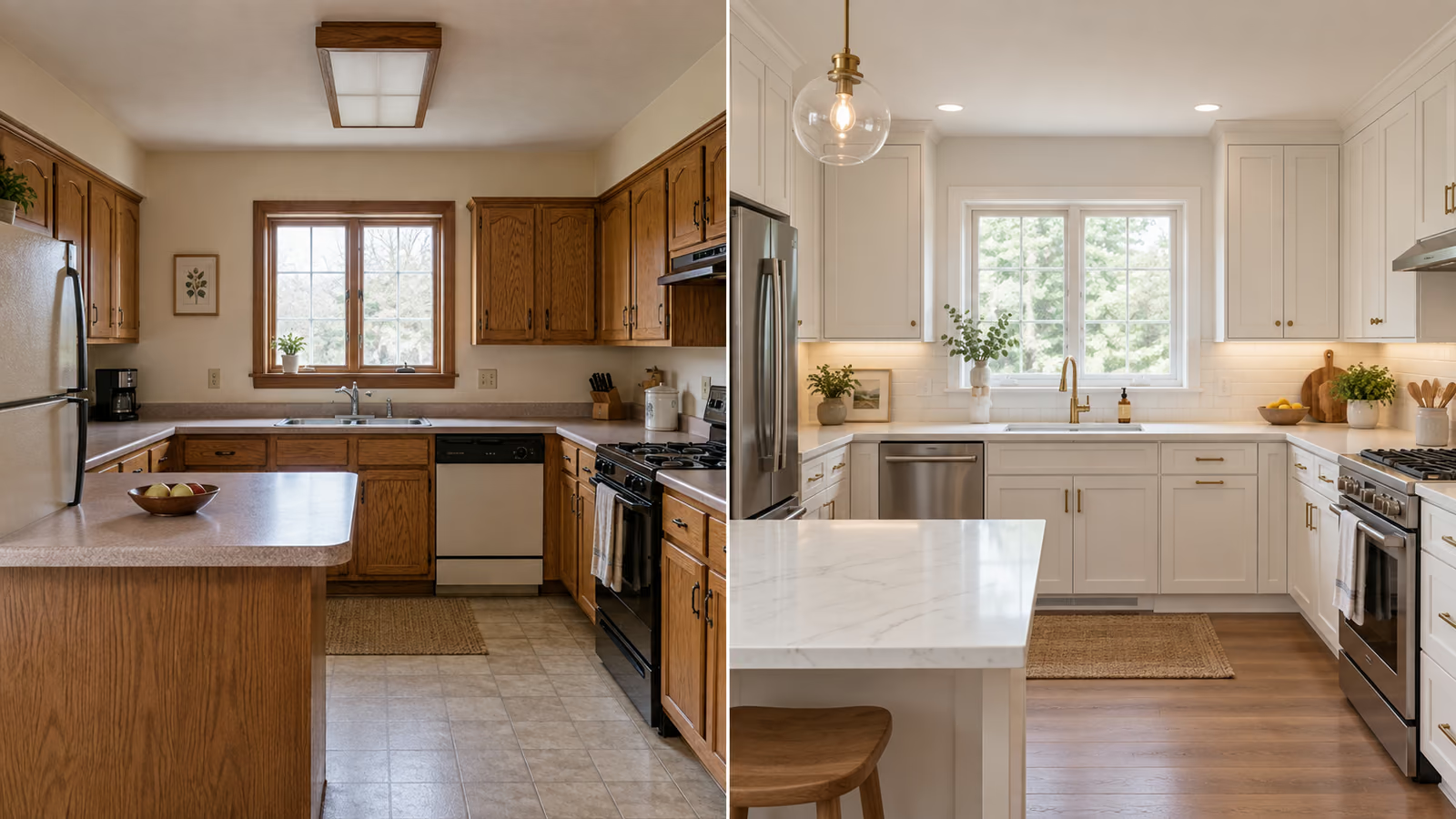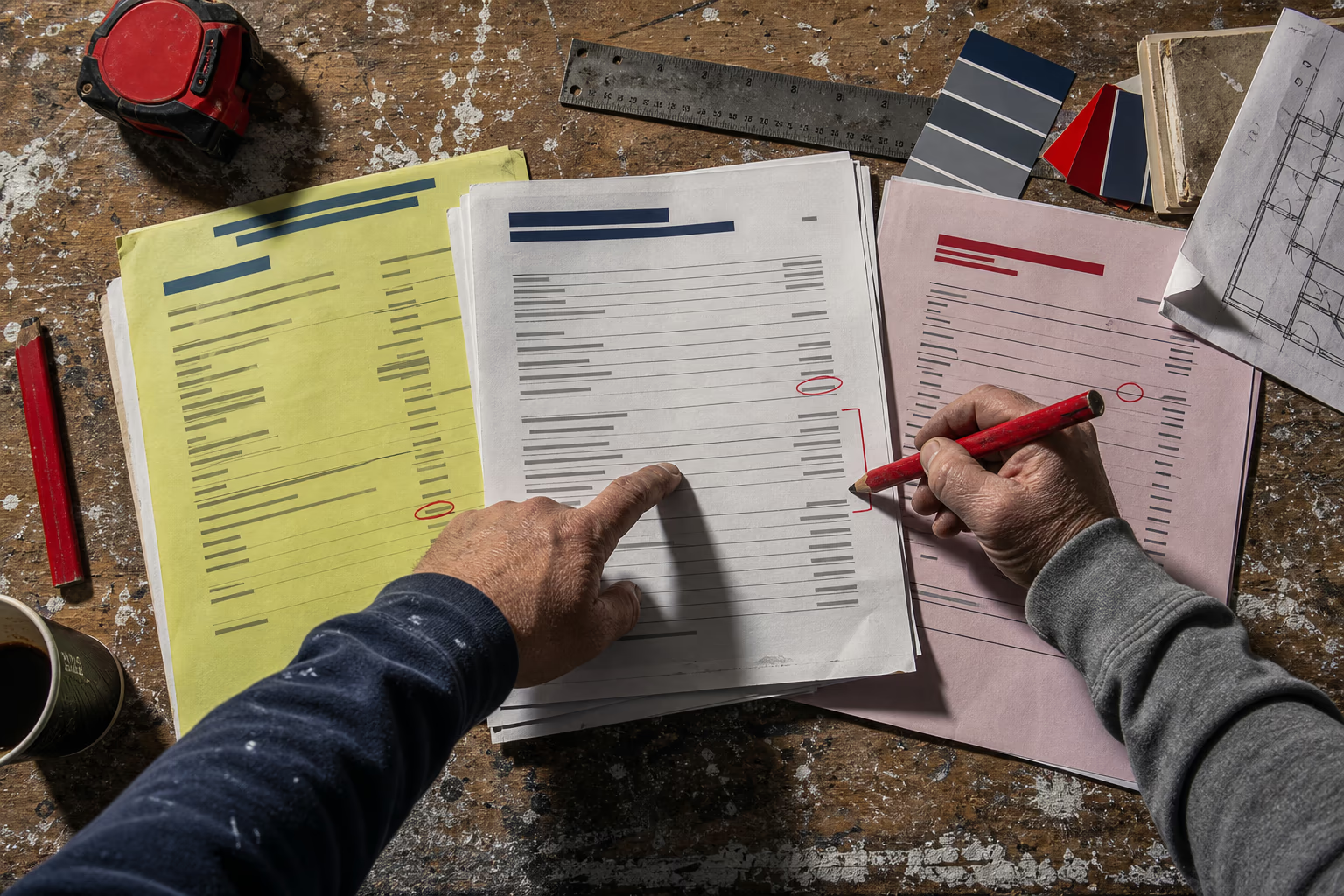
Compare scope before price. Put the same drawings, materials, permits, demolition, protection, cleanup and finish standards in front of every contractor. Then compare allowances, exclusions, payment schedules, insurance and change-order rules. A low bid can be excellent—but only after the blank spaces have prices.
Labor, materials, demolition, disposal and finish work both sides understand
Tile, fixtures and other selections that can move the final total
Hidden conditions and approved changes—not upgrades invented mid-project
Planning ranges and scenarios are starting points, not quotes or promises. Replace them with current documents and property-specific evidence before spending money.
A cheap bid may simply be a different project
One contractor includes demolition, floor protection and debris removal. Another writes one line: ‘remodel kitchen.’ Those are not competing prices yet. They are competing descriptions, and the shorter one leaves more room for a costly conversation after the cabinets are gone.
Give each bidder the same scope, drawings and finish expectations. Ask them to list what is included and excluded. The FTC recommends multiple written estimates and says an estimate should describe the work, materials, completion date and price.
- Compare line by line, not bottom line
- Ask why one bid is far from the others
- Never sign a document with blank spaces
Allowances are where a calm budget can get loud
An allowance is a placeholder, not a shopping budget with magical stretch. If the bid carries $900 for fixtures and the products you choose total $2,100, the project did not mysteriously go over budget. The starting number never contained the room you pictured.
Ask what quantity, unit price, tax, delivery and installation are included in every allowance. Make key selections early enough that the contractor can replace placeholders with real numbers before work begins.
The payment schedule should follow visible progress
A deposit may be reasonable, and state law may limit it. Paying the full amount upfront is different. Tie later payments to clear milestones you can see and document, keep receipts, and do not make the final payment until contracted work and agreed corrections are complete.
Avoid cash and wire-transfer pressure. If financing is offered through the contractor, shop the loan separately and read every page. The cheapest construction bid can become the most expensive one when a high-cost loan is attached to it.
Permits, licenses and insurance belong in the price
Confirm license requirements with the state or local authority and ask for current proof of insurance. Decide in writing who applies for permits, schedules inspections and keeps approved documents. If a contractor asks the homeowner to hide the commercial relationship or avoid a required permit, stop and verify the rules directly.
Permit costs vary by place and scope, but leaving them out does not make them disappear. It only moves the surprise later—sometimes to an inspection, insurance claim or sale.
Change orders need a brake pedal
Hidden damage happens. So do better ideas halfway through a project. Both should become a written change order that describes the added or removed work, price and schedule effect before the crew proceeds, except for a genuine safety emergency.
Keep the contingency in your account rather than handing it over as automatic spending authority. A reserve is there to absorb verified uncertainty, not to make every suggestion feel affordable.
Choose the clearest bid, not automatically the middle one
References, license status, complaint history, communication and the proposed team all matter. A high bid can still be vague; a low bid can still be excellent. The strongest offer is the one that survives detailed questions without changing shape.
Before signing, read the contract slowly. Confirm the company name, address, license number, dates, promises, cancellation rights where applicable, warranties and dispute process. The conversation you have before the job is usually cheaper than the one you have after it.
Take this list with you.
Work from the evidence you already have, mark what is missing and verify the important assumptions before you commit.
- 01Give every bidder the same written scope
- 02Compare inclusions and exclusions line by line
- 03Replace major allowances with selected products
- 04Verify license and insurance directly
- 05Confirm who pulls permits and schedules inspections
- 06Tie payments to visible milestones
- 07Require written, priced change orders
- 08Keep contingency money under homeowner control
- 09Save bids, contracts, receipts and inspection records
A few things worth knowing before you start.
Should I always get three contractor quotes?
Multiple written estimates help reveal missing scope and unusual pricing. Three is a practical starting point, but the goal is enough comparable information to make a careful decision.
How much deposit is normal?
There is no universal percentage, and some states limit upfront payments. Check local law and avoid paying the entire project before work begins.
What is a construction allowance?
It is a budget placeholder for an item not fully selected or priced. The contract should explain the amount, quantity, markup and what happens when the actual selection costs more or less.
Who should pull the permit?
Local rules and project type decide who may apply. The contract should name the responsible party; verify the answer with the local building department before work starts.
Check the original guidance.
- Federal Trade Commission — How to avoid a home improvement scam↗
- Consumer Financial Protection Bureau — Recovering and rebuilding after an emergency↗
Sources provide the current national or program context reviewed on the date above. Contracts, loan terms, prices, eligibility, codes and property conditions still require transaction-specific verification.