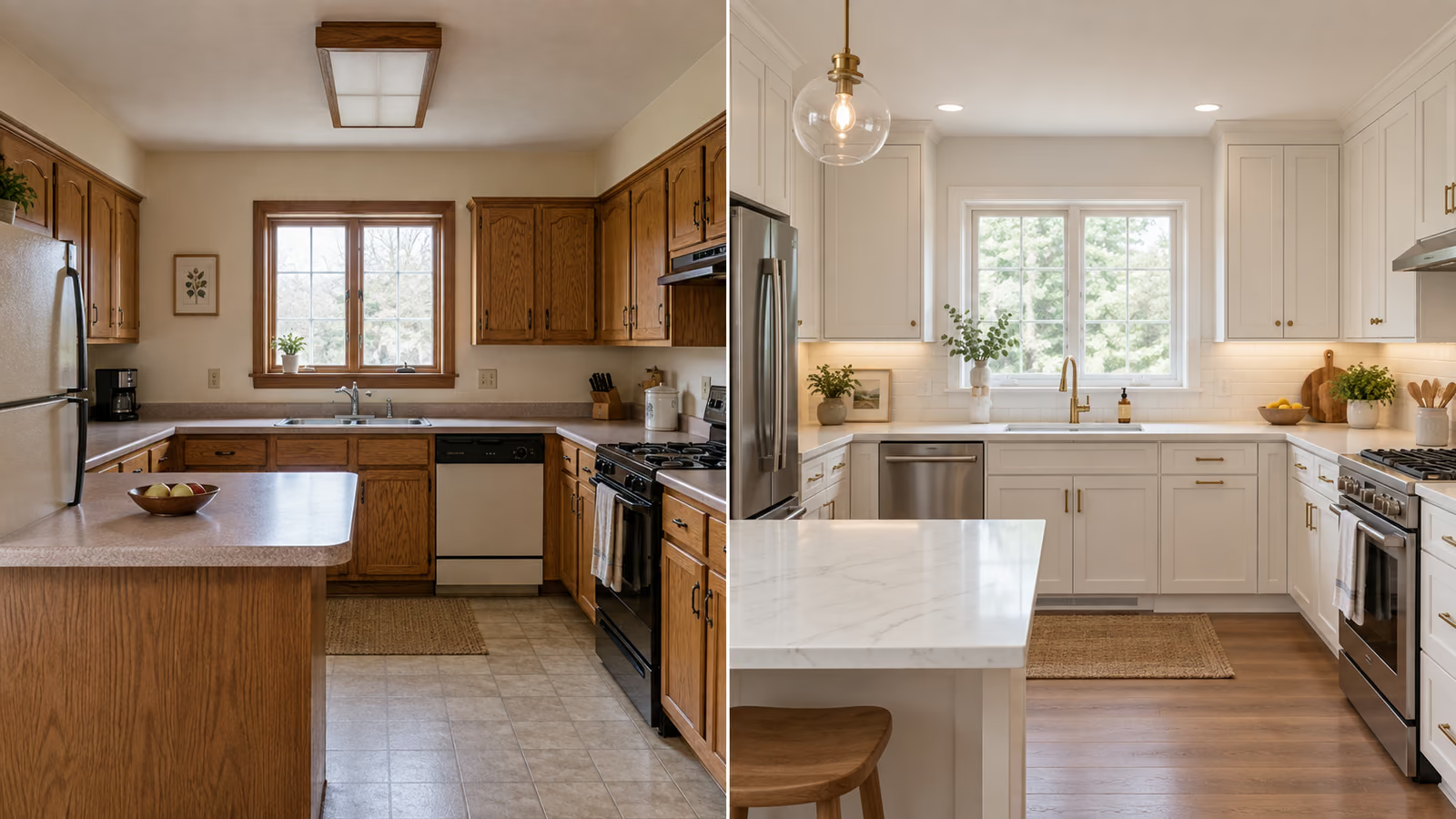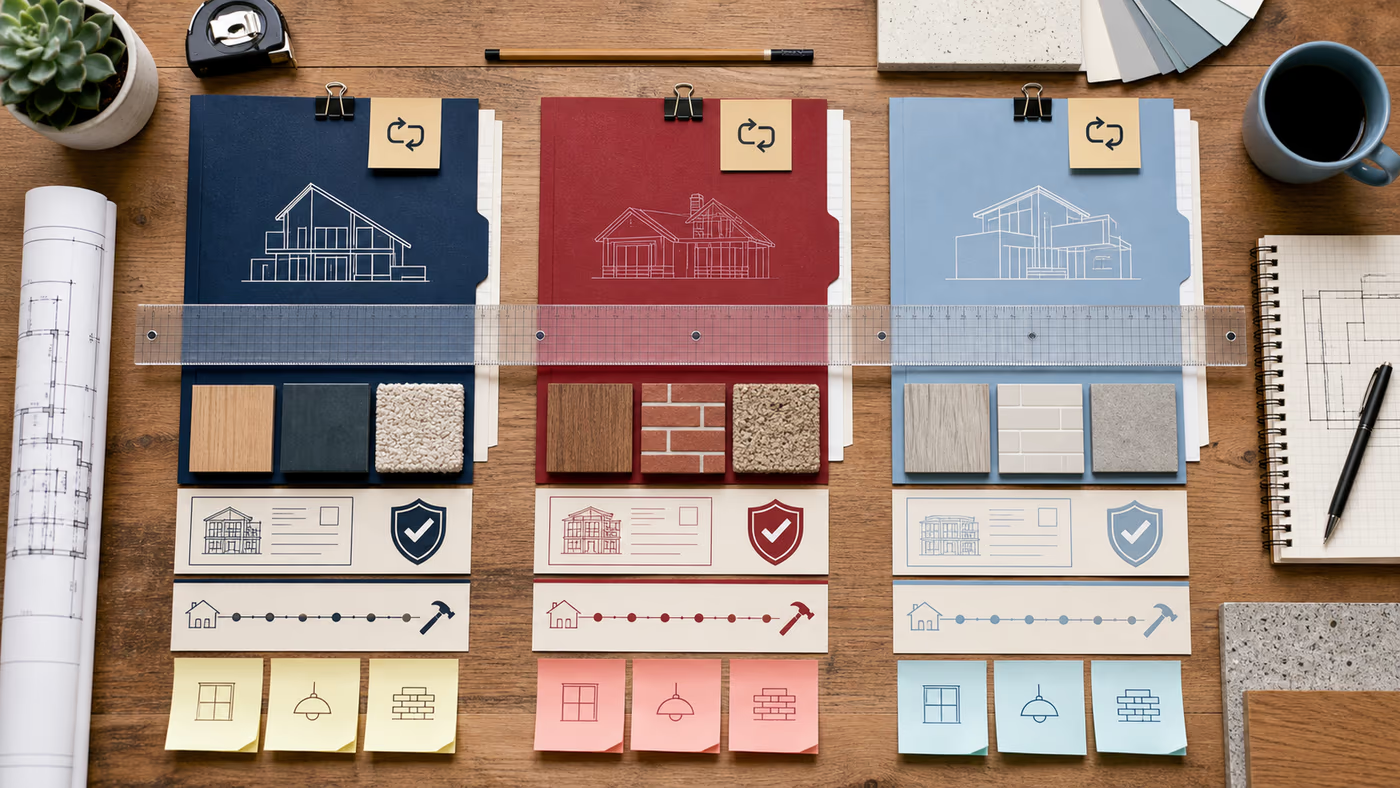
Compare specific homes, not stereotypes. Price the older home's near-term systems and renovation needs; price the new build's lot premium, options, landscaping, window coverings, taxes, HOA and possible construction delay. Then stress-test insurance, energy, commuting and resale under the same ownership period.
Price, lender costs, inspections, options, deposits and immediate setup
Repairs, landscaping, furnishings, warranties and unfinished projects
Replacement cycles, energy, insurance, taxes, HOA and commuting
Planning ranges and scenarios are starting points, not quotes or promises. Replace them with current documents and property-specific evidence before spending money.
Compare addresses, not labels
An older home may shorten the commute and include established shade, fencing, window coverings and finished outdoor space. A new build may offer a more efficient envelope and modern layout but sit farther from work or require years of neighborhood construction.
Put the same ownership period beside both addresses. Add transportation, school or childcare needs, utilities, insurance, taxes and HOA charges before deciding which one is cheaper.
- Use the same years of ownership
- Price the commute
- Visit both areas at different times
New construction still has a first-year list
New systems reduce some near-term replacement risk, but buyers often add blinds, appliances, storage, fencing, landscaping, gutters or upgraded lighting after closing. Builder options can also change the advertised base price quickly.
Read the warranty, learn the service-request process and schedule documented checks before coverage periods expire. Keep an emergency reserve even when every surface is new.
The older home's calendar matters more than its birthday
A well-maintained older home with a recent roof, updated panel and good drainage can carry less near-term risk than a neglected younger property. Ask for permits, invoices, warranties and insurance claim history where available and lawful, then verify condition through independent inspections.
Build a replacement calendar for roof, HVAC, water heater, exterior, windows, sewer or septic, and major appliances. Use ranges, because maintenance history and installation quality matter as much as the date.
Energy savings need a real baseline
Recent construction codes and equipment can reduce energy use, but house size, orientation, rates, behavior and climate still control the bill. Ask for available utility history on the older home and use equipment details plus a realistic household profile for the new one.
Do not spend a large premium solely on a promised utility saving without doing the payback math. Comfort, resilience and lower maintenance may still add value, but they should be named separately.
Stress-test the things neither brochure controls
Get address-specific insurance quotes before committing. For a new build, ask how the completed assessment may change property taxes after an initial partial-year bill. For either home, understand flood, wind, wildfire or other location-specific coverage and deductibles.
Finally, price delay. Construction timing can move, while an older home's renovation can move too. Include rate-lock extensions, temporary housing, storage and duplicate carrying costs in the scenario where the calendar slips.
Take this list with you.
Work from the evidence you already have, mark what is missing and verify the important assumptions before you commit.
- 01Choose the same ownership period for both homes
- 02Compare address-specific insurance quotes
- 03Estimate completed property taxes and HOA charges
- 04Build a systems replacement calendar
- 05List new-home options and setup items
- 06Price commuting and recurring utilities
- 07Review permits, warranties and inspection findings
- 08Add delay, storage and temporary housing scenarios
- 09Keep an emergency reserve after closing
A few things worth knowing before you start.
Is a new build always more energy efficient?
Newer codes and equipment can help, but size, climate, orientation, workmanship, rates and household behavior affect actual bills. Compare realistic usage, not a generic claim.
Do new homes need inspections?
Independent inspections can still identify construction or installation issues. Buyers may consider phase inspections where allowed and a check before warranty deadlines.
Is an older home always more expensive to insure?
No. Insurers consider location, roof and systems, construction, claims and many other factors. Request quotes for the exact addresses and coverages.
Which one has better resale value?
Resale depends on local demand, location, condition, supply and the price paid. Neither age category guarantees a better outcome.
Check the original guidance.
- U.S. Census Bureau — Characteristics of New Housing↗
- U.S. Department of Energy — Energy Saver home energy guidance↗
- Consumer Financial Protection Bureau — Prepare to buy a home↗
Sources provide the current national or program context reviewed on the date above. Contracts, loan terms, prices, eligibility, codes and property conditions still require transaction-specific verification.