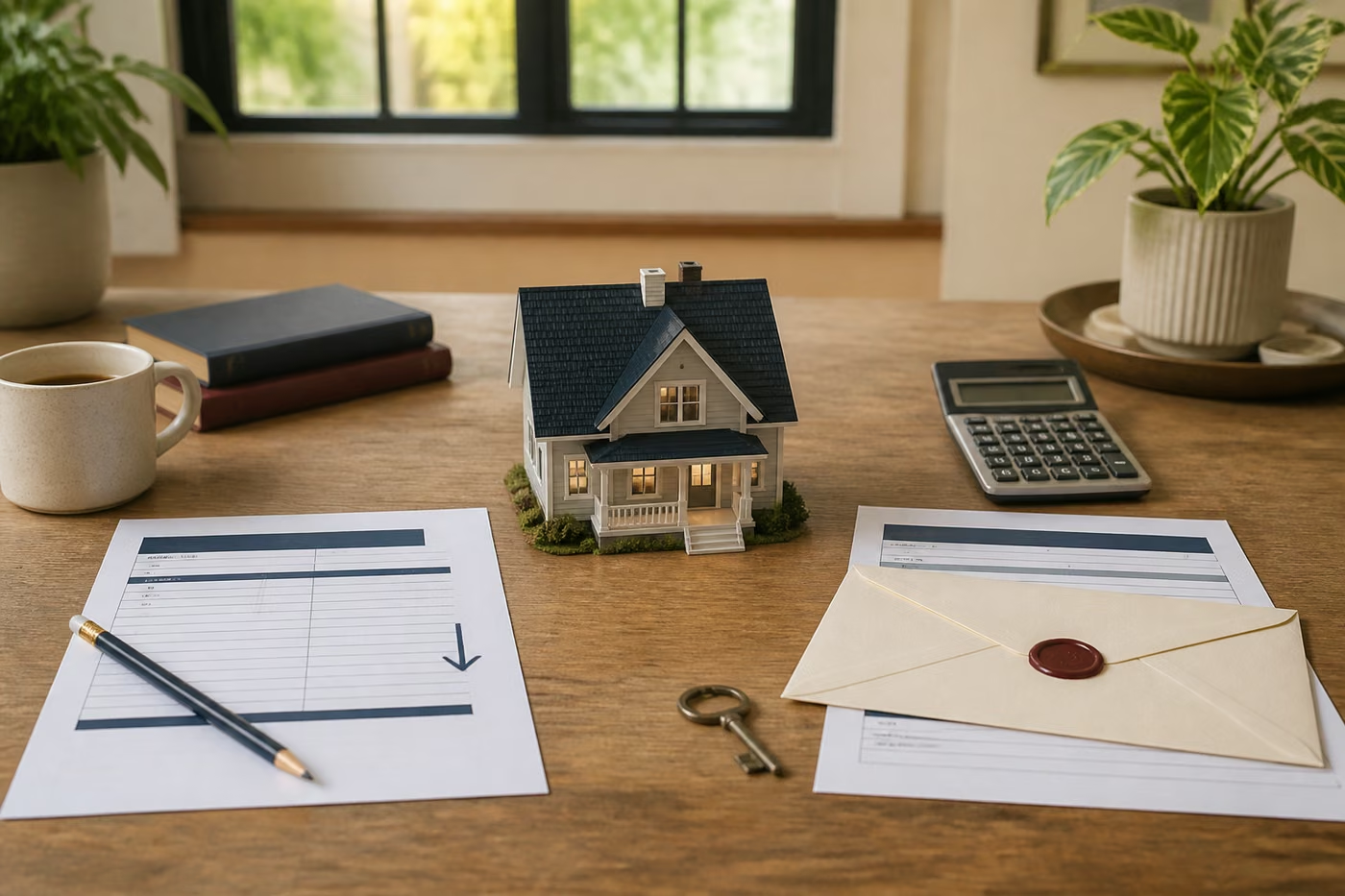
Fix defects first, then improve the surfaces and features people notice in the first five minutes: entry, paint, light, kitchen, bathroom, floors, comfort, and storage. The strongest project is the one your local market values more than it costs.
Cleaning, paint touch-ups, caulk, bulbs, hardware, and yard cleanup
Several rooms, floor repair, fixtures, landscaping, and storage
A roof, HVAC, larger kitchen or bathroom work—only when the market supports it
Planning ranges and scenarios are starting points, not quotes or promises. Replace them with current documents and property-specific evidence before spending money.
Fix leaks, hazards, and unfinished repairs
Start with the items that can stop a transaction, fail an inspection, create liability, or make a tenant worry about maintenance. Active leaks, loose railings, damaged steps, unsafe outlets, broken locks, water stains, pest entry points, and failing smoke or carbon-monoxide alarms belong ahead of decorative upgrades.
Correct the cause—not only the visible symptom—and keep invoices, permits, warranties, and service records. A documented repair gives a buyer or renter more confidence than a freshly painted patch with no explanation.
- Walk the property as if you were an inspector
- Repair the moisture source before repainting
- Confirm local safety, permit, and rental requirements
Use fresh, broadly appealing paint
Repair nail holes, cracked caulk, scuffed trim, peeling areas, and mismatched touch-ups before adding a fresh coat. A connected warm neutral can make rooms feel cleaner and help buyers or renters understand how their own furniture may fit.
The National Association of REALTORS® reported in 2025 that real estate professionals commonly recommend painting the whole home or at least one interior room before listing. Keep strong personal colors for small, easy-to-change accents.
Improve curb appeal and the first 30 seconds
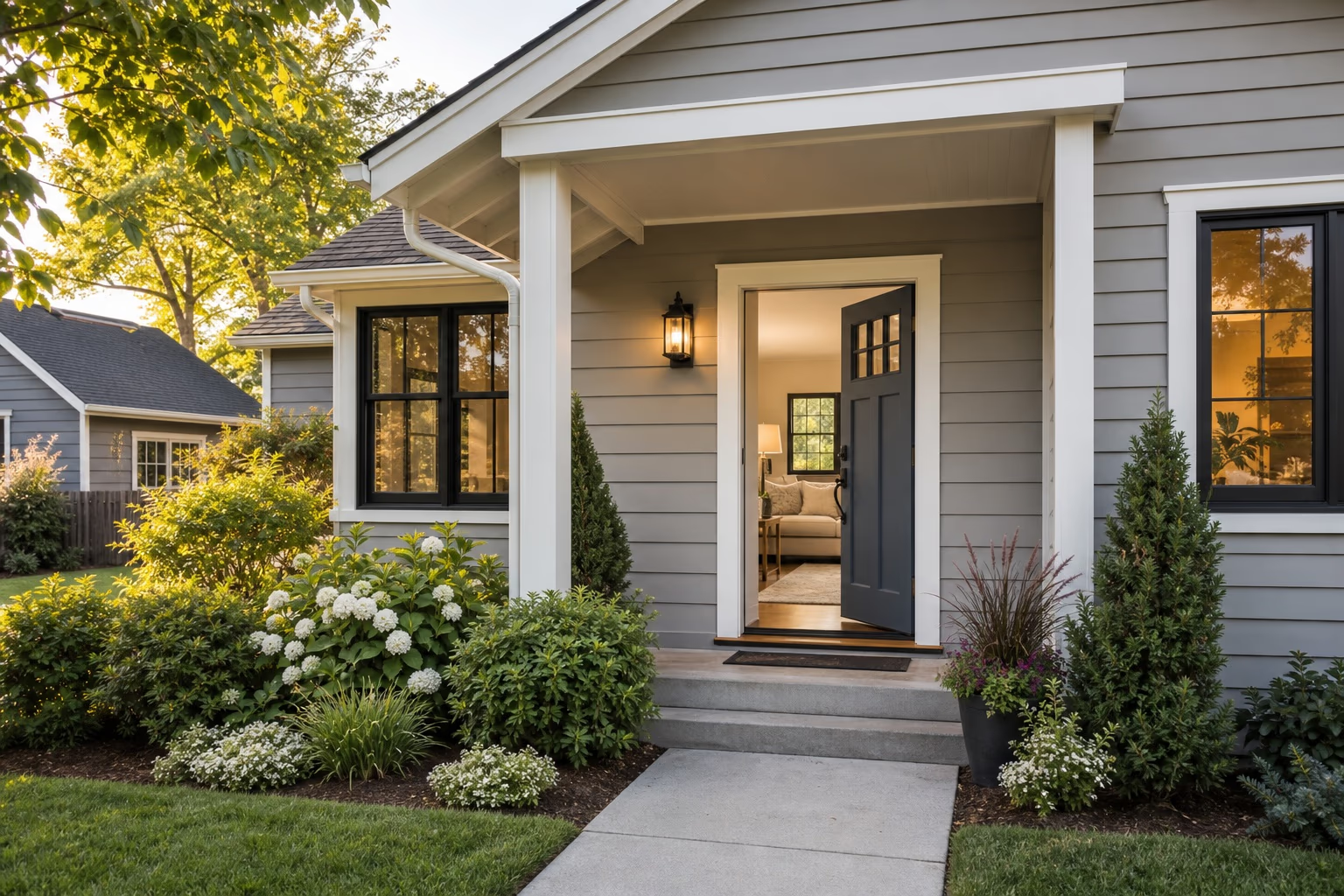
Mow, edge, weed, prune away blocked windows, remove dead plants, clean the path, wash the front area, and make the house number easy to see. The goal is cared-for—not elaborate landscaping that creates another maintenance job.
Repair or refinish the front door when practical, check that the lock works smoothly, and use one healthy planter or a clean doormat. NAR’s 2025 remodeling research identified front-door projects among the stronger cost-recovery categories, although results vary by home and market.
Make every room brighter and more consistent
Replace failed bulbs, match color temperature within connected rooms, clean shades, open window coverings, and add useful task light in kitchens, bathrooms, work areas, and closets. A bright home photographs better and makes everyday functions easier to understand.
Correct flickering fixtures, damaged switches, or unsafe wiring instead of hiding them behind a decorative lamp. Hardwired work should comply with local rules and be completed by a qualified professional where required.
Refresh the kitchen without automatically remodeling it
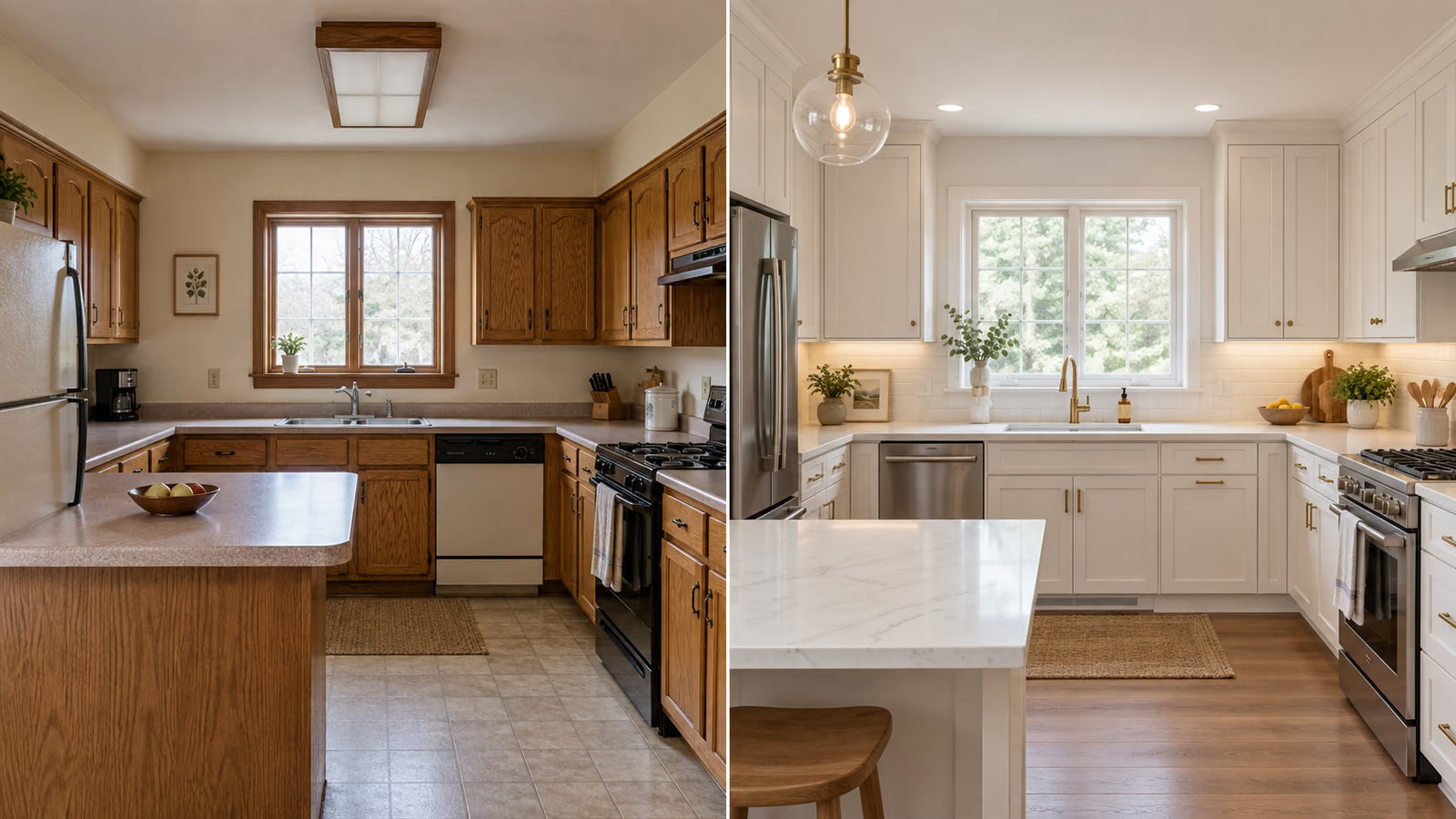
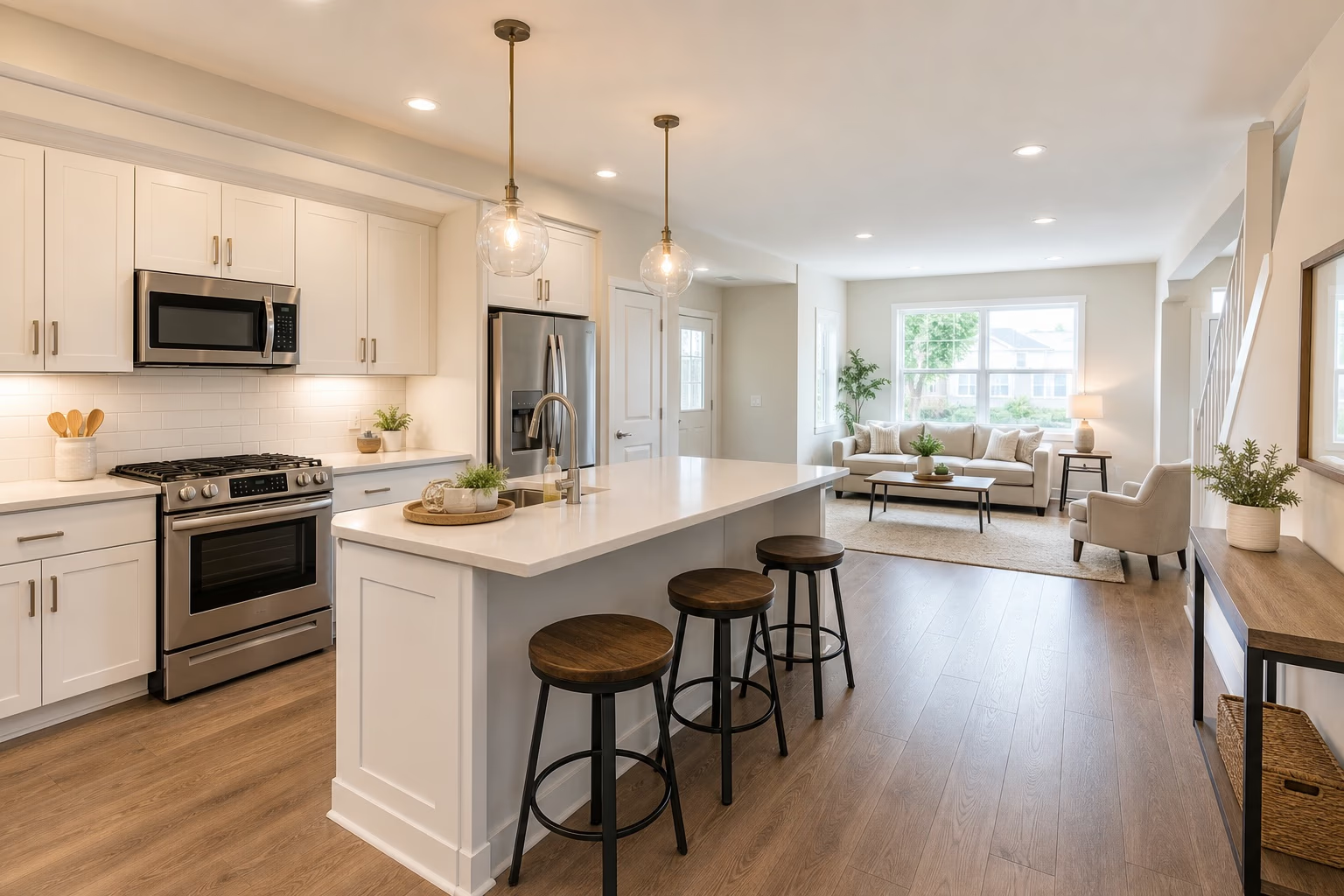
Deep-clean appliances, degrease cabinets, adjust doors, replace broken hardware, renew failing caulk, clear counters, and improve under-cabinet light. If the cabinet boxes and layout work, a careful finish or hardware update may be more sensible than demolition.
Choose durable, replaceable finishes for a rental and resist installing luxury materials that local rent cannot support. For a sale, ask a local agent whether buyers expect a cosmetic refresh or whether they prefer to choose the next kitchen themselves.
Make the bathroom feel clean, dry, and dependable
Repair leaks, improve ventilation, remove failed caulk, address stained grout, stabilize the toilet, clear slow drains, replace a damaged seat, and confirm that hot water and exhaust work correctly. Cleanliness and moisture control matter more than decorative accessories.
A new mirror, light, faucet, or simple hardware can sharpen the room when the basics are sound. Avoid covering mold or water damage; correct the moisture source and follow appropriate safety practices.
Repair floors and create one continuous visual story
Fix loose transitions, raised edges, severe scratches, cracked tiles, torn carpet, and trip hazards. Professionally clean salvageable carpet and hard floors before assuming everything must be replaced.
For rental properties, durability, repairability, slip resistance, and easy cleaning usually matter more than a fashionable finish. For sale, reduce abrupt finish changes when the budget allows, but do not replace sound floors simply to chase a trend.
Improve comfort and show the operating story
Service heating and cooling equipment, replace filters, seal obvious drafts, weather-strip doors, check attic insulation where appropriate, and make sure vents are not blocked. Keep service records and, where useful, recent utility information.
ENERGY STAR notes that efficiency improvements can reduce operating costs and make a property more attractive to buyers. Prioritize assessment, air sealing, insulation, ductwork, and equipment condition before buying a costly feature that may not suit the home.
- Service systems before the listing photos
- Keep manuals and transferable warranties together
- Check current utility and local incentive programs
Add practical storage and laundry function
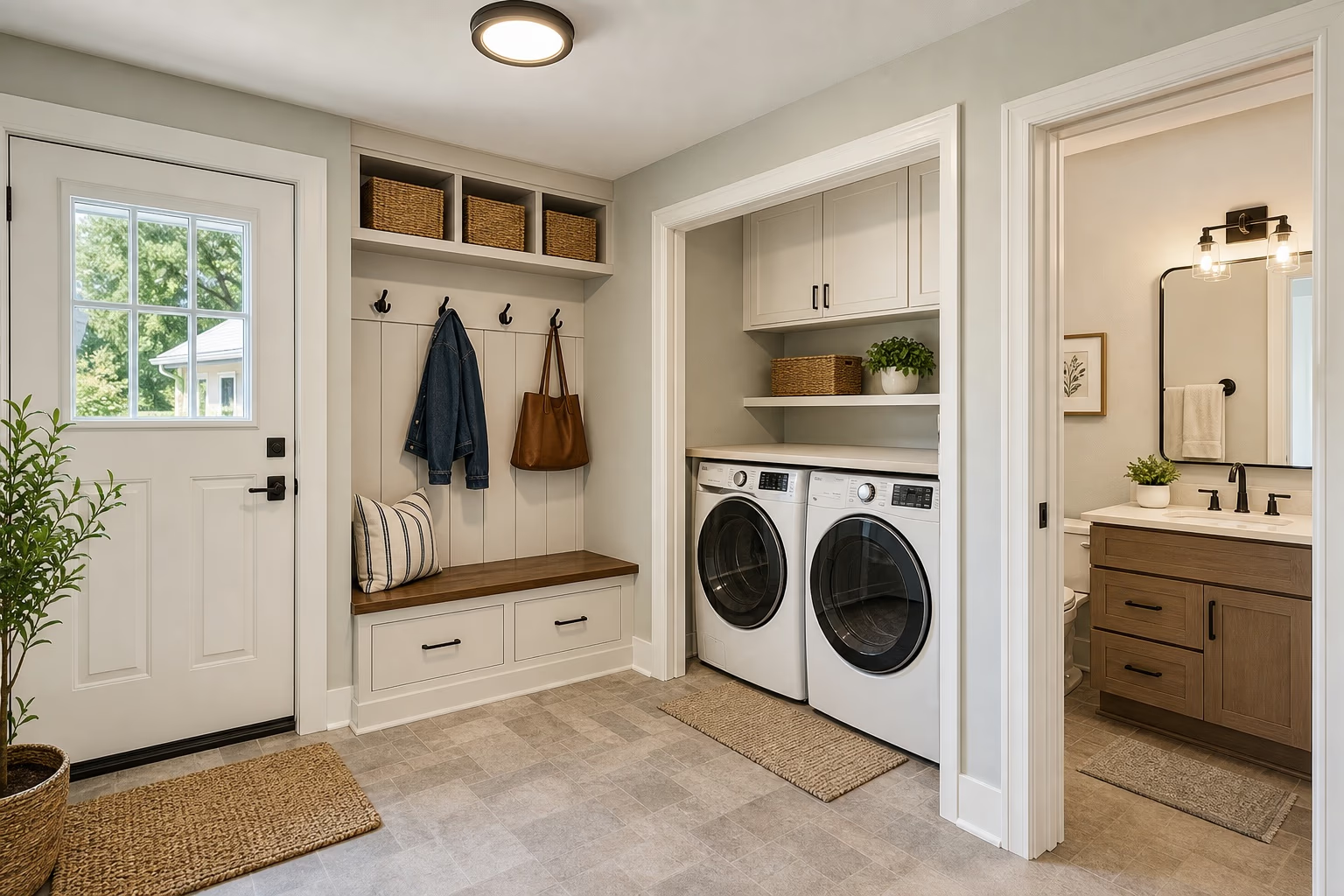
Make closets easy to inspect: repair doors, add a bright light where permitted, remove excess belongings, and use a simple shelf-and-rod plan. At the entry, hooks, a shoe zone, or a compact bench can turn wasted space into an obvious daily benefit.
For rentals, secure laundry access, pantry capacity, durable entry storage, and a place for cleaning supplies can support convenience and retention. Avoid built-ins so specific that they reduce flexibility for the next household.
Stage the home for space, function, and honest photos
Remove enough furniture to reveal walkways, clean every surface, hide personal or sensitive documents, make beds, open curtains, and give each room one clear purpose. For an empty property, a few correctly scaled pieces or light virtual staging can explain difficult spaces—as long as marketing remains accurate.
Use current, well-lit photos that show the actual condition and layout. Staging and photography do not repair a property or guarantee a higher price, but they help qualified buyers and renters understand the value that is already there.
Take this list with you.
Work from the evidence you already have, mark what is missing and verify the important assumptions before you commit.
- 01Repair active leaks, hazards, locks, alarms, and loose components
- 02Patch walls, renew failed caulk, and apply a connected paint palette
- 03Clean the entry, path, house number, landscaping, and front door
- 04Match bulbs and fix lighting or electrical defects
- 05Degrease cabinets and refresh kitchen function before remodeling
- 06Make bathrooms clean, dry, ventilated, and leak-free
- 07Repair floor damage, transitions, and trip hazards
- 08Service HVAC and document efficiency or comfort improvements
- 09Make closets, entry storage, and laundry easy to understand
- 10Declutter, stage honestly, and use bright current photographs
A few things worth knowing before you start.
Which home improvement adds the most value?
There is no universal winner. Condition, local buyer expectations, rent ceilings, home price, and project cost all matter. Repairs, paint, entry presentation, and move-in readiness are often safer starting points than a major personalized remodel.
Should I renovate the kitchen before selling?
Not automatically. Deep cleaning, repairs, lighting, caulk, hardware, and a sound cabinet finish may be enough. Ask a local professional whether the likely price difference supports the entire project cost and disruption.
What usually helps a rental property most?
Safety, reliable systems, cleanliness, durable floors, practical storage, laundry convenience, good lighting, and easy maintenance often support tenant appeal better than delicate luxury finishes.
Can I claim that an upgrade will raise the price or rent?
Avoid guarantees. Compare nearby listings and completed sales, local vacancy, permitted condition, operating costs, and an independent professional opinion. Market response can change.
Is there anything special to consider in an older home?
Yes. Remodeling can involve lead paint, asbestos, moisture, outdated wiring, or permit requirements. For most pre-1978 U.S. housing, federal lead-disclosure rules may apply to a sale or lease; use qualified professionals and current local guidance.
Check the original guidance.
- National Association of REALTORS® — 2025 Remodeling Impact Report↗
- NAR — Projects recommended before selling↗
- ENERGY STAR — Home energy improvements↗
- U.S. EPA — Remodeling and indoor air quality↗
- U.S. EPA — Lead-based paint disclosure for sales and rentals↗
Sources provide the current national or program context reviewed on the date above. Contracts, loan terms, prices, eligibility, codes and property conditions still require transaction-specific verification.