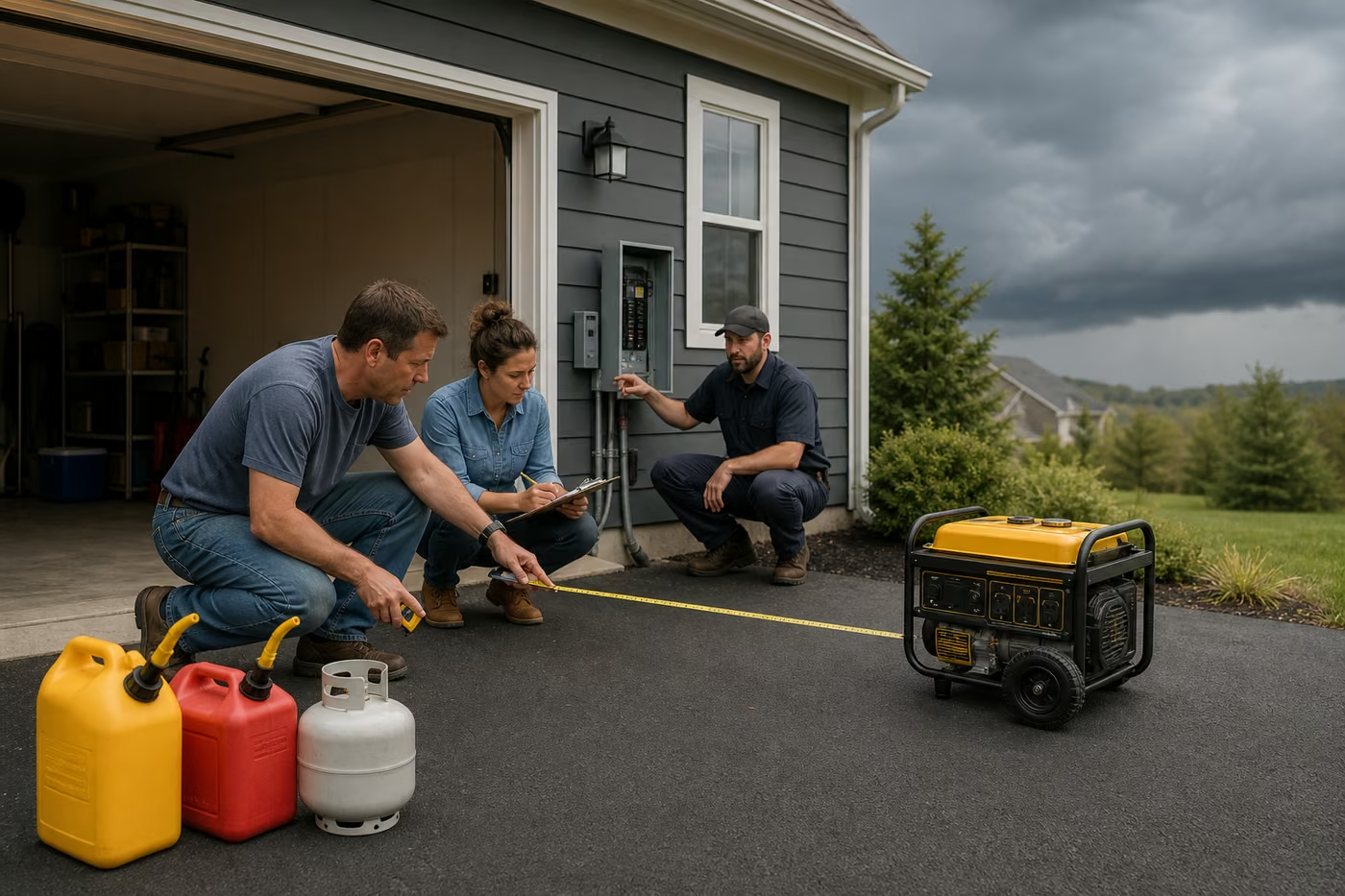
Choose the critical loads first, then size the generator and connection around them. Operate portable generators outdoors at least 20 feet from the house, with exhaust directed away from doors, windows and vents. Never use one in a home, garage, porch or carport, and never connect it to household wiring without the proper transfer equipment installed by a qualified electrician.
Refrigeration, selected lights, communications and one medically necessary device
A planned transfer setup that prevents unsafe backfeeding
Households comparing standby equipment, fuel supply, permits and service capacity
Planning ranges and scenarios are starting points, not quotes or promises. Replace them with current documents and property-specific evidence before spending money.
Start with watts, not the sales aisle
List the equipment that must operate during an outage and record running and starting wattage from labels or manufacturer documents. Motors and compressors can need extra power at startup. Add only loads the household can manage safely rather than trying to recreate a normal day.
Medical equipment needs a device-specific backup plan developed with the provider and utility where appropriate. A consumer generator is not a universal medical solution.
- List critical loads
- Check starting wattage
- Plan for medical needs separately
Twenty feet is a starting line, not a decoration
CPSC says a portable generator should be operated outdoors at least 20 feet from the house, with exhaust directed away from the home and other buildings. Never operate one inside a house, garage, basement, crawlspace, shed, porch or carport—even with doors open.
Place it on a dry, stable surface according to the manufacturer's instructions and use weather protection designed for generator operation without enclosing exhaust. Confirm that doors, windows, vents and neighboring spaces are not in the exhaust path.
Carbon monoxide needs an alarm and a response
Install and maintain battery-operated or battery-backup carbon-monoxide alarms on every level and outside sleeping areas, following manufacturer and local guidance. Test them before storm season and replace batteries and units on schedule.
If an alarm sounds, move everyone outside to fresh air and call emergency services. Do not search for the source or re-enter until officials say it is safe.
Backfeeding can kill someone beyond your house
Never plug a generator into a wall outlet. That can energize utility lines and expose workers, neighbors and equipment to deadly voltage. A transfer switch or other approved interconnection should be selected and installed by a qualified electrician under local permit and utility rules.
For cord-connected loads, use grounded, heavy-duty outdoor extension cords rated for the equipment and conditions. Inspect cords fully and keep connections dry and out of traffic paths.
Fuel is part of the operating cost
Use the fuel specified by the manufacturer, in approved containers, and store it outside living areas and away from ignition sources under local fire rules. Shut the generator off and let it cool before refueling. Spilled fuel on hot parts can ignite.
Estimate fuel consumption for the loads and hours you intend to run, then check how long fuel can be stored and rotated safely. A large machine that cannot be fueled during an extended outage is not a complete plan.
Price the complete safe system
Compare equipment price only after adding the electrician, transfer equipment, permits, suitable cords, CO alarms, secure outdoor storage, fuel containers, maintenance supplies and replacement schedule. Test the full routine in daylight without connecting unnecessary loads.
HomeCostGrid action: draw the placement and exhaust direction, label the approved circuits or cords, store the instructions with the unit and assign one trained adult to start and shut it down. Review the plan before each storm or wildfire season.
Take this list with you.
Work from the evidence you already have, mark what is missing and verify the important assumptions before you commit.
- 01List essential loads and starting wattage
- 02Choose an outdoor location at least 20 feet away
- 03Direct exhaust away from openings and buildings
- 04Install and test carbon-monoxide alarms
- 05Use a qualified electrician for house connections
- 06Buy correctly rated outdoor cords
- 07Store approved fuel outside living areas
- 08Cool the generator before refueling
- 09Practice startup and shutdown in daylight
A few things worth knowing before you start.
Can I run a generator in a garage with the door open?
No. CPSC says never operate a portable generator in a garage or other enclosed or partly enclosed space, even when doors are open.
How far should a portable generator be from the house?
CPSC recommends outdoors at least 20 feet from the house, with exhaust directed away from the home and other buildings. Follow the manufacturer and local rules too.
Can I plug a generator into a wall outlet?
No. This unsafe practice can backfeed electrical lines. A qualified electrician should install approved transfer equipment for household circuits.
What size generator do I need?
Add the running and starting wattage of the critical loads you intend to operate together, then follow manufacturer guidance. Avoid sizing from square footage alone.
Check the original guidance.
- U.S. Consumer Product Safety Commission — Generators and engine-driven tools↗
- U.S. Consumer Product Safety Commission — Portable generator safety alert↗
- Ready.gov — Power outage hazard information↗
Sources provide the current national or program context reviewed on the date above. Contracts, loan terms, prices, eligibility, codes and property conditions still require transaction-specific verification.