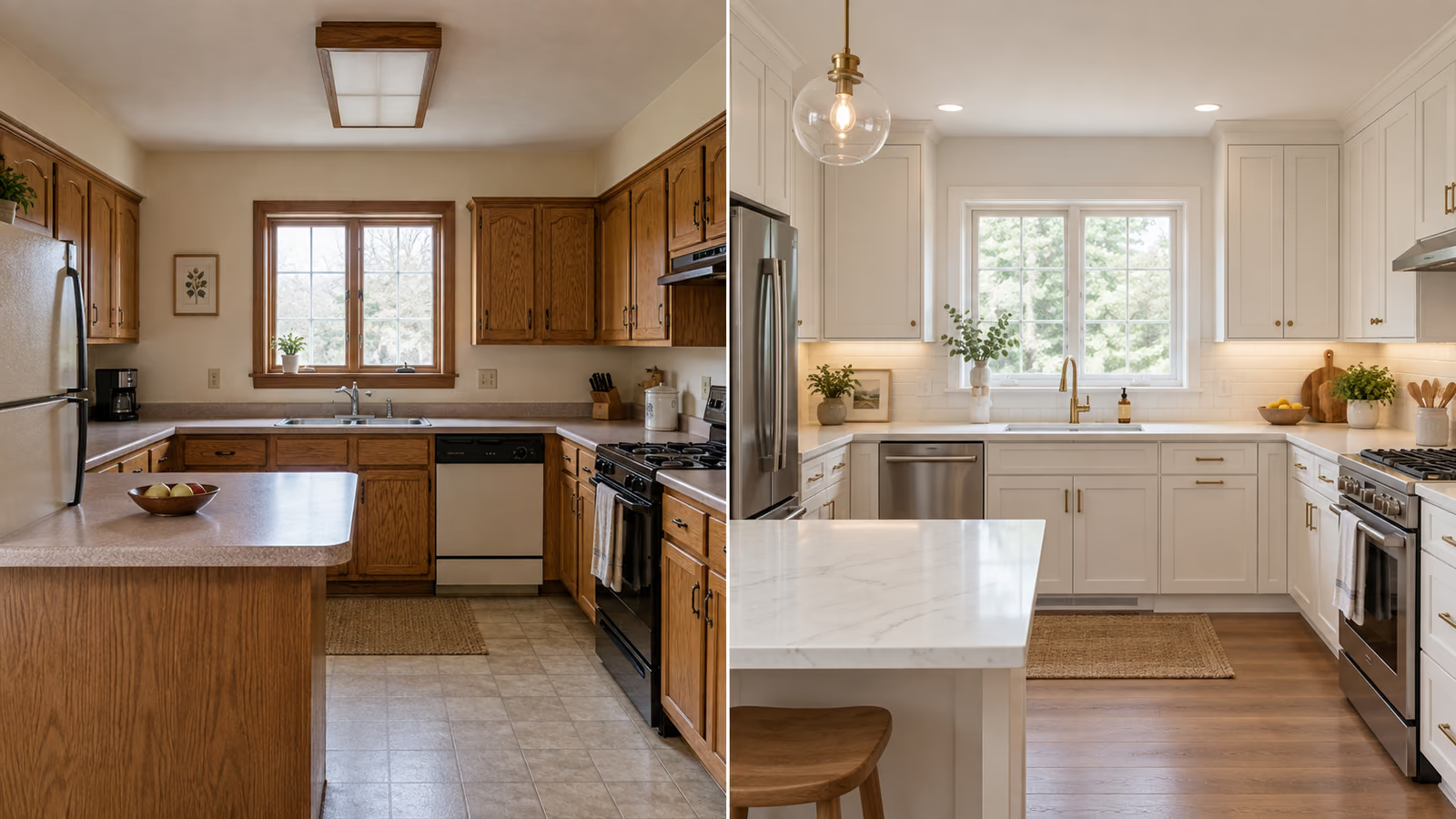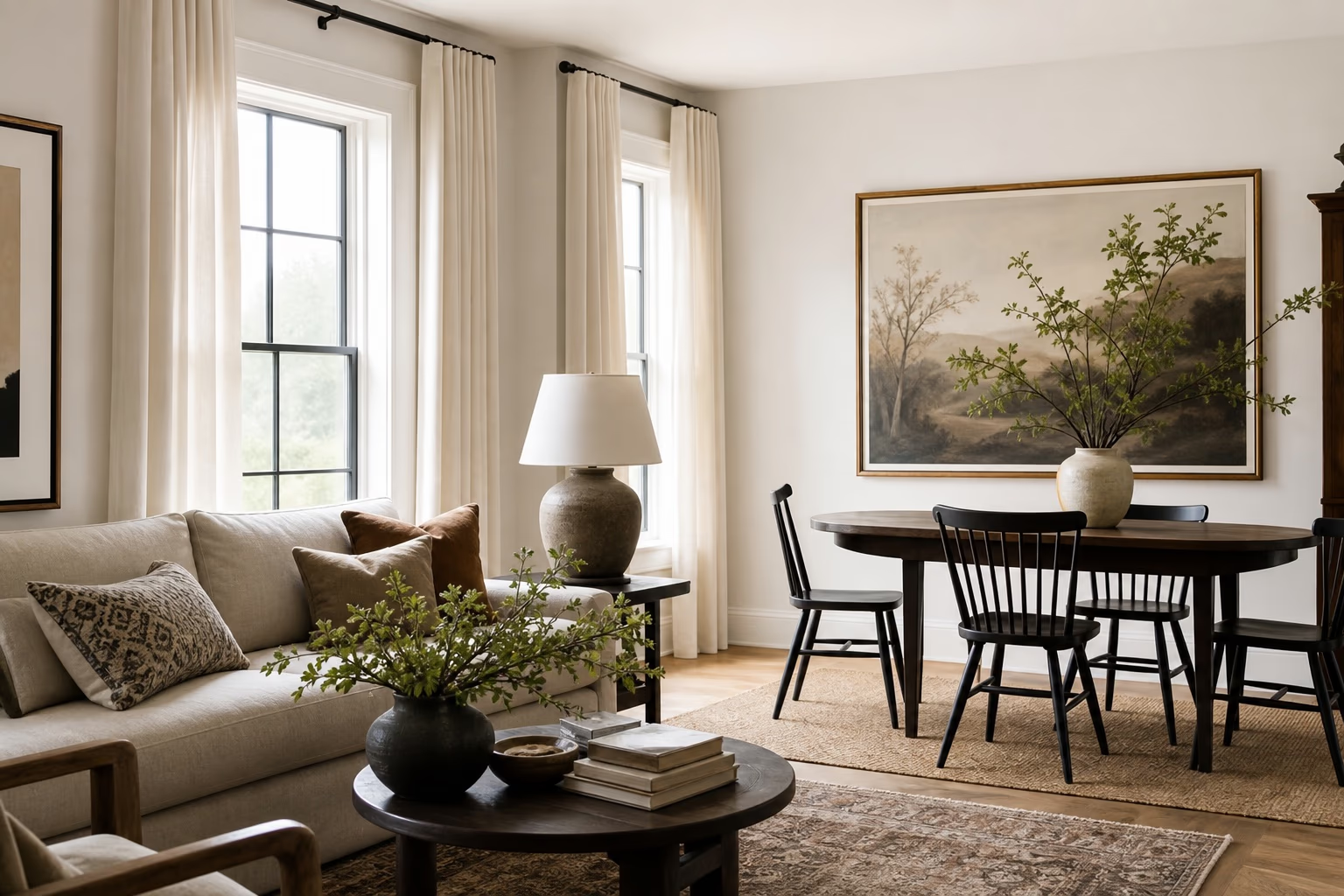
Correct scale, consistent finishes, high-and-wide curtains, larger art, warm light, and edited surfaces usually create more polish than recognizable brand names.
Bulbs, frames, hardware, and surface editing
Curtains, rug, one large artwork, and a lamp
Several anchor pieces sourced over time
Planning ranges and scenarios are starting points, not quotes or promises. Replace them with current documents and property-specific evidence before spending money.
Correct scale before chasing luxury
A room often looks unfinished because the rug, art, lamps, or curtains are too small. Larger does not mean extravagant; it means the item relates to the wall, furniture, and viewing distance.
Use paper templates to test art and painter's tape to mark rug and furniture dimensions. This costs nothing and prevents the most common visual mistake.
- Hang curtains high and wide
- Use one larger artwork instead of several fillers
- Choose lamps with presence
Repeat a small number of finishes
Choose one dominant metal finish and let a second appear sparingly. Repeat the same wood family or a related undertone across the room rather than introducing a new finish with every purchase.
Matching everything can feel flat; repeating just enough creates intention. A black frame, table base, and lamp line can connect mixed furniture without turning it into a set.
Give inexpensive pieces breathing room
Crowding makes every item harder to see. Remove decorative objects, leave negative space around art, and group smaller objects in odd-numbered clusters with varied height.
Replace visible packaging with a tray, basket, or cabinet only where that helps a real routine. The goal is not a photo-ready empty home—it is a home that resets easily.
Mix old, new, soft, and structured
A vintage-looking wood table beside a simple modern sofa can feel collected. Linen curtains soften hard furniture; a structured lamp gives loose textiles a visual edge.
Buy slowly enough to compare dimensions and materials. Secondhand solid wood, new upholstery, washable textiles, and a few repaired pieces can outperform an entire room bought as one package.
Take this list with you.
Work from the evidence you already have, mark what is missing and verify the important assumptions before you commit.
- 01Tape out the rug and artwork sizes
- 02Raise and widen curtain rods
- 03Choose a dominant metal finish
- 04Match bulb temperatures
- 05Group small decor instead of scattering it
- 06Leave one surface mostly open
A few things worth knowing before you start.
What makes a house look cheap?
The issue is rarely the price tag. Poor scale, mixed light temperatures, too many unrelated finishes, exposed clutter, and rushed installation are more noticeable.
Which inexpensive upgrade looks most custom?
Well-fitted curtains, correctly sized hardware, and carefully placed lighting often create a custom impression because they relate precisely to the room.
Should every room use the same metal finish?
No. Connected rooms benefit from a dominant finish, but a secondary metal can add depth when it is repeated intentionally.