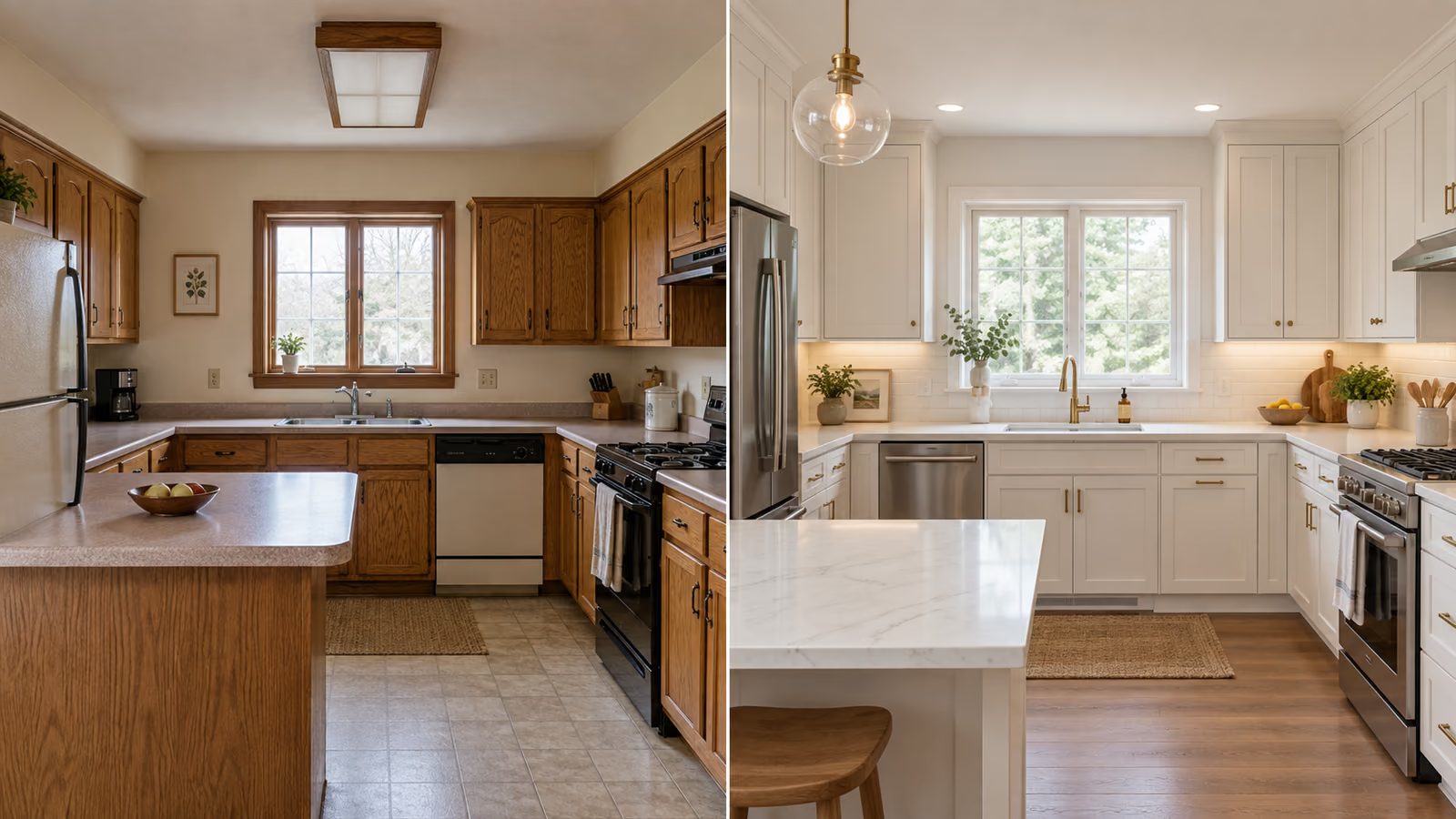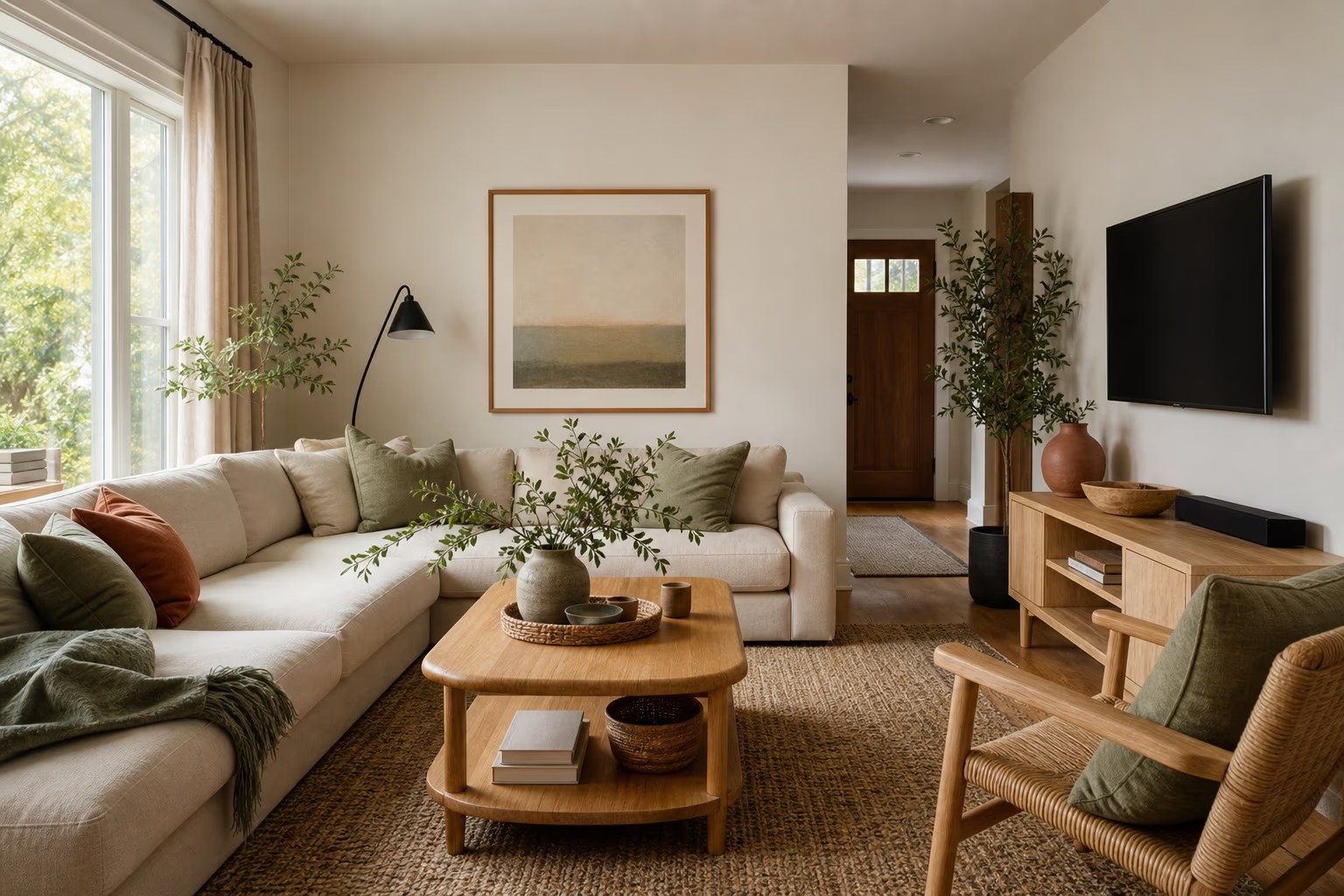
The fastest route to a modern-looking home is a calm base, fewer better-scaled pieces, warm lighting, and one repeated accent color. Fix layout and visual clutter before buying decor.
Paint touch-ups, textiles, lamps, and editing clutter
A rug, lighting, window treatments, and one anchor piece
Several rooms phased over six to twelve months
Planning ranges and scenarios are starting points, not quotes or promises. Replace them with current documents and property-specific evidence before spending money.
Begin with the room, not the shopping cart
Modern rooms feel intentional because their big shapes relate to one another. Start by measuring the walls, windows, walkways, and furniture you plan to keep. Sketch a simple floor plan and leave roughly 30 to 36 inches for the main path through a room.
Remove small pieces that do not earn their footprint. One correctly scaled coffee table usually looks calmer than three tiny tables; one generous artwork often feels more finished than a scattered gallery of undersized frames.
- Photograph the room from every doorway
- Move what you already own before purchasing
- Keep the largest surfaces visually quiet
Use a warm, repeatable material palette
Choose one light neutral, one medium wood tone, one darker grounding finish, and one accent color. Repeating those ingredients across adjoining rooms creates flow even when the furniture was collected over time.
A modern home does not have to be gray or stark. Cream, mushroom, muted olive, clay, dusty blue, natural oak, woven fibers, and soft black details make simple forms feel inviting.
Spend where the eye lands first
Put the largest share of the budget into the pieces that set scale: the rug, sofa or bed, window treatment, and main light source. Save on small tables, baskets, pillow covers, and decorative objects that can change later.
Before replacing a usable item, ask whether height, placement, or color is the real problem. Hanging curtains close to the ceiling, centering a rug correctly, and swapping a cool bulb for a warm one can change a room for far less than new furniture.
Phase the work so every purchase has a job
Finish one visual layer at a time: layout, paint, lighting, textiles, then art and objects. This prevents a pile of attractive but unrelated purchases.
Keep a small decision sheet with dimensions, paint colors, finish samples, and the room budget. A modern home feels cohesive when the same few decisions are repeated—not when every piece matches.
Take this list with you.
Work from the evidence you already have, mark what is missing and verify the important assumptions before you commit.
- 01Measure the room and main walkways
- 02Name three items that must stay
- 03Pick one base neutral and one accent color
- 04Correct the lighting temperature
- 05Choose one properly scaled rug
- 06Edit surfaces before adding decor
A few things worth knowing before you start.
What makes a home look modern instead of trendy?
Clean sightlines, practical layouts, restrained color, warm natural materials, and furniture with simple shapes last longer than a room built around one trend.
Where should a limited design budget go first?
Start with paint and lighting, then the rug or window treatments. These change the entire visual field and can make existing furniture look more intentional.
Do all rooms need to match?
No. They should share a few recurring ingredients—such as wood tone, trim color, metal finish, or accent color—while still serving different moods and uses.