Keep the palette quiet, layer three to four textures, control visual clutter, and make the bed, blackout, temperature, and lighting decisions before adding decoration.
Bedding, lamp bulbs, decluttering, and one curtain layer
Blackout treatments, rug, lighting, and storage
Bed, mattress, case goods, lighting, and textiles
Planning ranges and scenarios are starting points, not quotes or promises. Replace them with current documents and property-specific evidence before spending money.
Make the bed the quiet anchor
Center the bed on the most practical wall when possible and leave enough space to enter from both sides. Choose a headboard shape that is simple enough to support changing bedding over time.
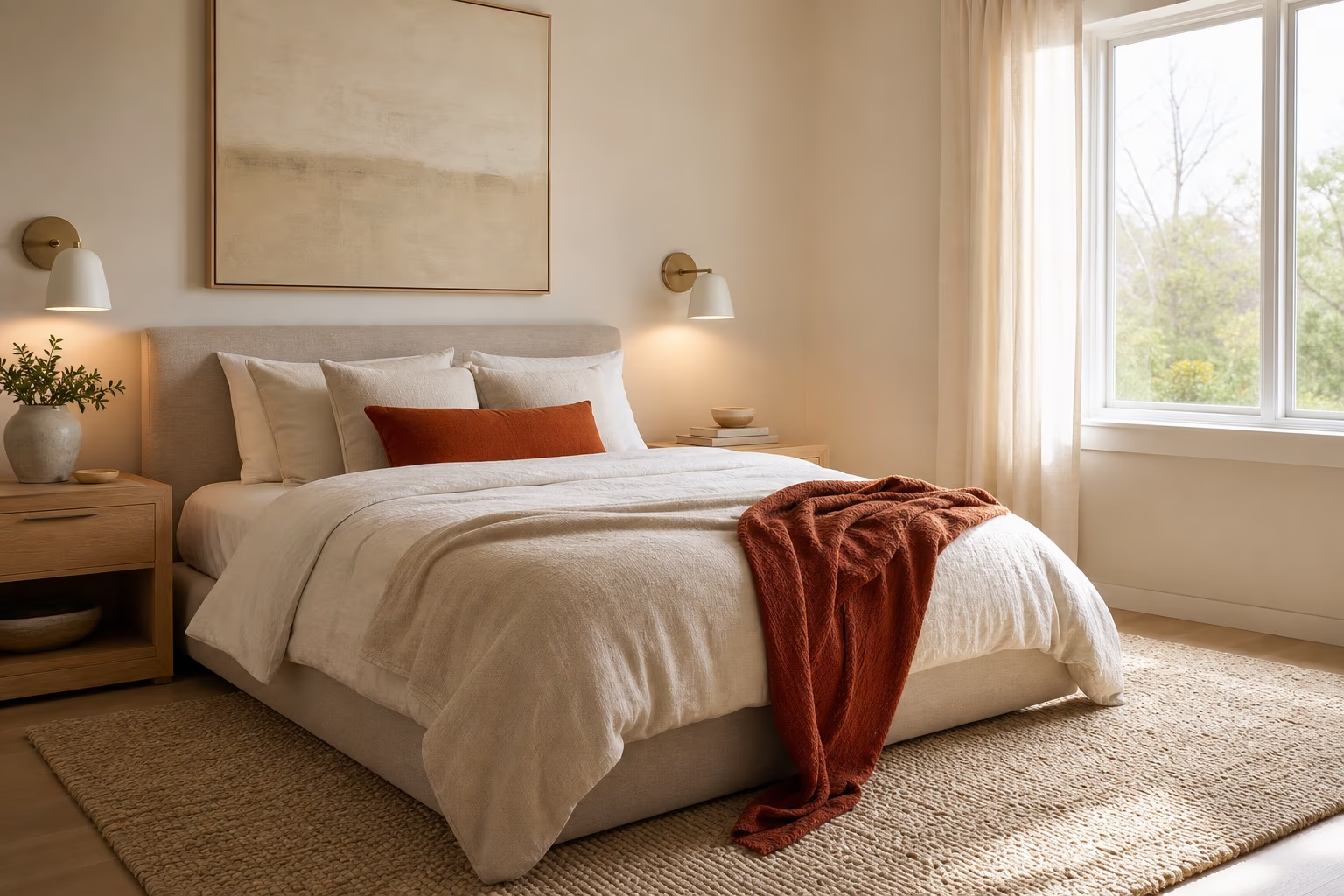
Layer a fitted sheet, breathable top layer, and one or two tactile additions. A relaxed bedroom does not need a mountain of pillows that must be moved every night.
- Use fewer, larger pillows
- Keep bedding within two or three colors
- Add texture before adding pattern
Reduce the visual temperature
Warm white, oatmeal, taupe, muted clay, soft green, and natural wood create a restful base. Contrast is still useful—one darker line or earthy accent prevents the room from feeling unfinished.
Hide cables, laundry, and product packaging. Keep the nightstand useful enough for a lamp, water, and a book rather than treating it as a display shelf.
Control light at both ends of the day
Layer filtered daylight with blackout coverage if outside light affects sleep. Mount curtains high and wide enough that they can clear the glass when open.
Use warm bedside light with individual controls. Place screens and charging lights where they will not glow directly toward the bed.
Spend on sleep before styling
Comfort, support, temperature, noise, and darkness matter more than a decorative bench. Test a mattress according to the seller's current return terms and protect the budget for the practical pieces.
Add art and objects last. One large calm image, a textured rug, and a living plant can be enough when the room's foundation works.
Take this list with you.
Work from the evidence you already have, mark what is missing and verify the important assumptions before you commit.
- 01Confirm bed clearance
- 02Simplify the bedding palette
- 03Add three distinct textures
- 04Control daylight and blackout
- 05Place warm bedside lights
- 06Remove visible cables and packaging
A few things worth knowing before you start.
How do I keep a minimalist bedroom from feeling sterile?
Use warm undertones, natural wood, linen, wool, woven texture, and varied light levels. Minimalism feels cold when it removes texture as well as clutter.
Does bedroom furniture need to match?
No. Similar scale, repeated material, and a shared color story can connect mixed pieces more naturally than a complete matching set.
What should I buy first for a bedroom?
Start with the sleep surface and light control, then bedside function and storage. Decorative layers should come after the room works.