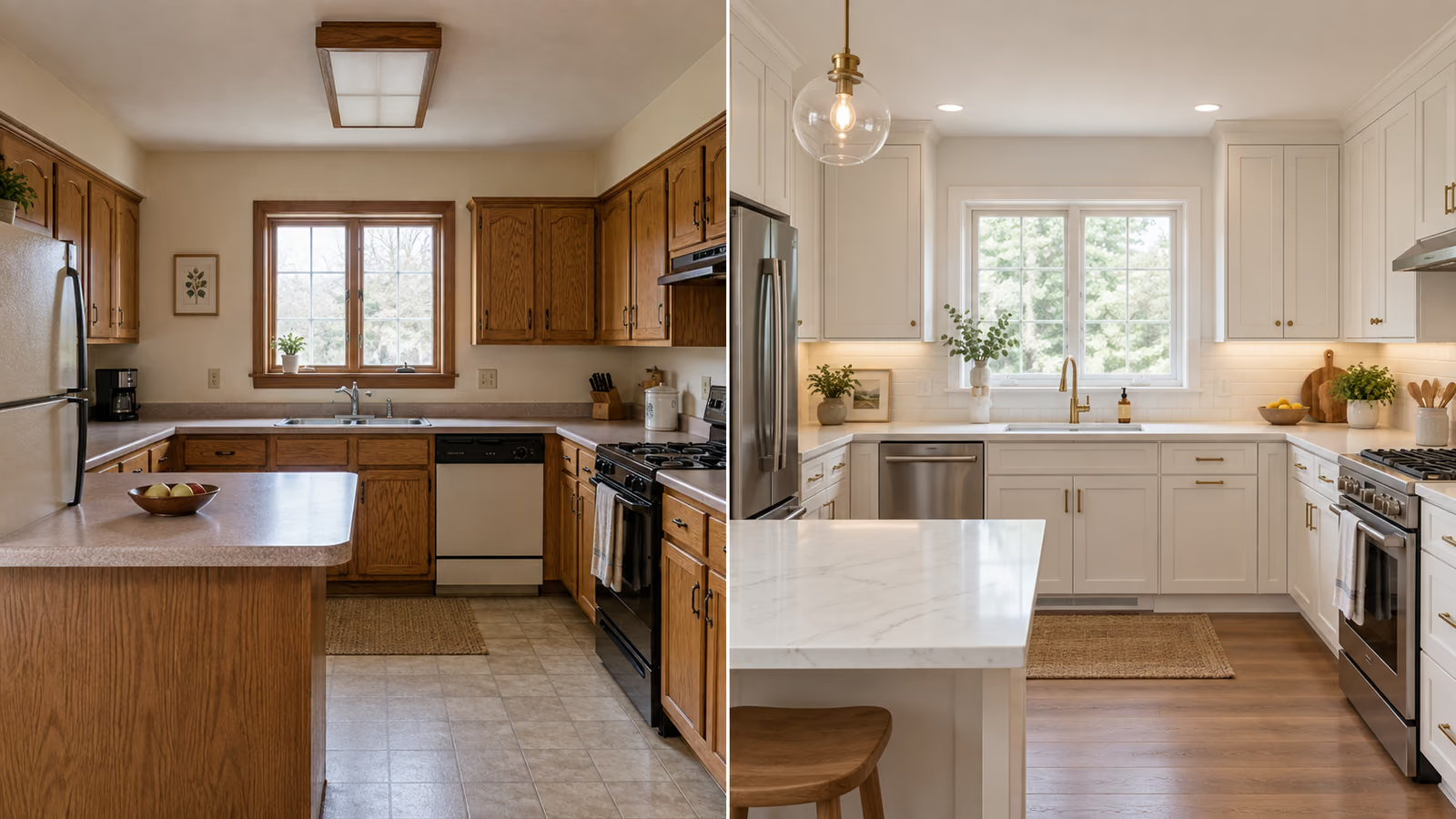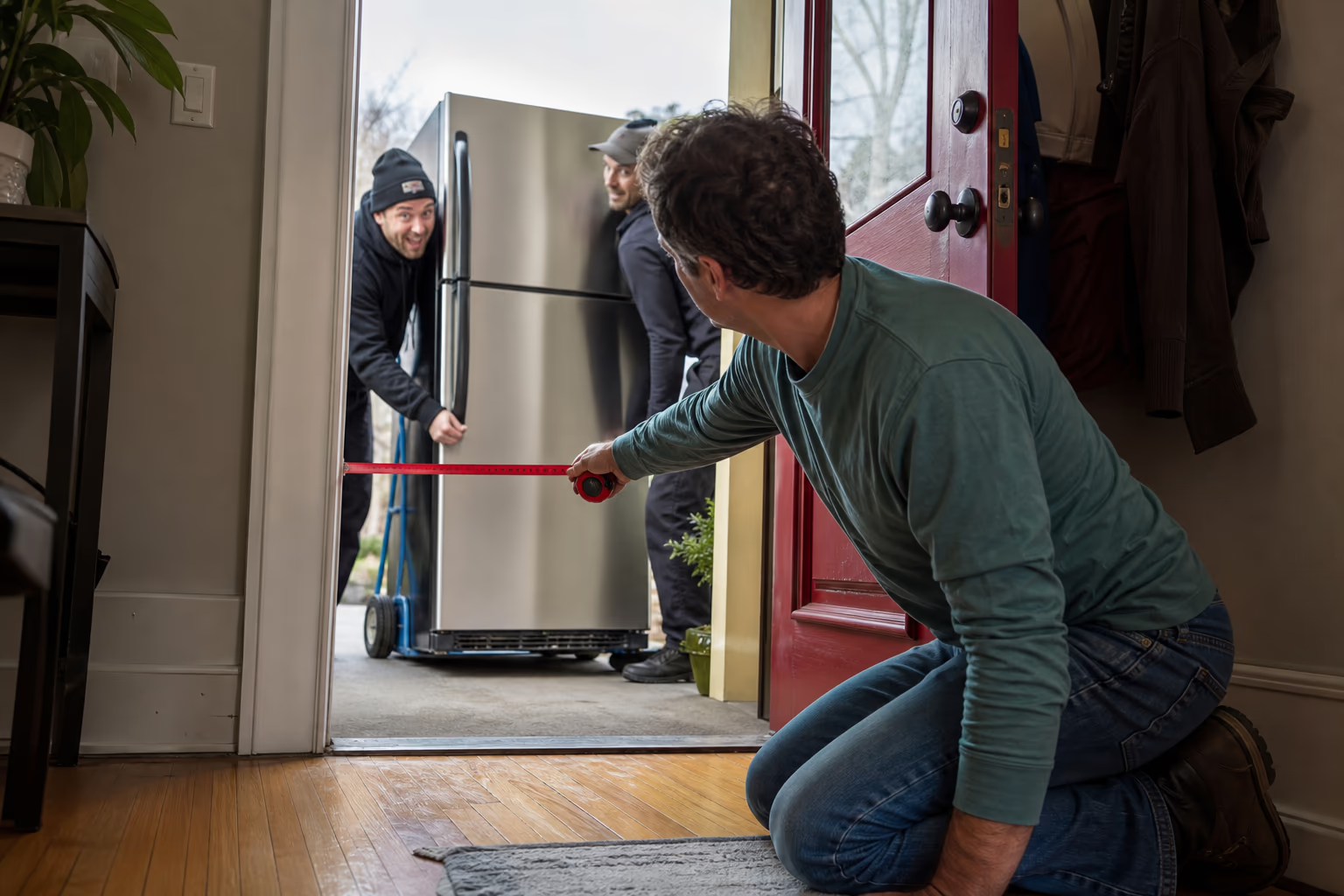
Measure the appliance opening, ventilation clearances, door swing and the entire delivery path—including exterior doors, elevators, stairs and tight turns. Then price delivery, haul-away, installation parts, electrical or plumbing changes and annual energy use. Confirm the return policy before the truck leaves the warehouse.
The exact model, finish and capacity
Delivery, stairs, door removal, haul-away and damage protection
Cords, hoses, shutoffs, vents, circuits and licensed trade work
Planning ranges and scenarios are starting points, not quotes or promises. Replace them with current documents and property-specific evidence before spending money.
Measure the route before the opening
Record the exterior door, hallway, stair, elevator and every turn before the appliance reaches its space. Measure trim and handrails, not just wall-to-wall distance. Ask whether refrigerator doors can be removed for delivery and who is authorized to do it.
Protect floors and photograph tight areas before arrival. If the route cannot be made safe without altering the home, solve that before the delivery window.
- Sketch the full path
- Measure width, height and turning room
- Confirm packaged dimensions
The opening is more than width and height
Use the manufacturer's installation guide for side, top and rear clearances. Check whether doors can open far enough to remove shelves and drawers. A counter-depth label does not promise the handles or doors sit flush.
For laundry and cooking appliances, include venting, lid swing, service access and heat clearances. Never compress a required clearance to make a sale model fit.
The old connection may not match the new appliance
Confirm voltage, amperage, receptacle, grounding, gas, water, drain and vent requirements for the exact model. A new range, dryer, dishwasher or refrigerator may need a different cord, shutoff, hose, breaker or location.
Use licensed trades where required and avoid unsafe adapters or improvised connections. Price this work before buying so the installed cost does not arrive as a surprise at the door.
Read the second price tag
Compare estimated annual energy use among similar-size models using the EnergyGuide label and current local utility prices. ENERGY STAR advises buying an appropriately sized refrigerator because larger units generally consume more energy.
Features affect use too. Through-the-door ice, extra compartments and additional doors can add convenience and energy demand. Buy the features the household will actually use.
Confirm the exit plan before delivery
Ask when inspection, refusal and return deadlines begin, whether installation changes eligibility, and who handles cosmetic damage or a model that does not fit. Inspect the appliance before the crew leaves and record damage immediately.
Keep the model, serial number, receipt, installation record and warranty. Arrange responsible recycling or haul-away for the old appliance rather than discovering on delivery day that it stays in the kitchen.
Take this list with you.
Work from the evidence you already have, mark what is missing and verify the important assumptions before you commit.
- 01Measure the complete delivery path
- 02Check packaged and unpackaged dimensions
- 03Use the manufacturer installation guide
- 04Verify door swing and service clearance
- 05Confirm electrical, gas, water, drain and vent needs
- 06Price delivery, parts, haul-away and trade work
- 07Compare EnergyGuide estimates
- 08Read the return and damage policy
- 09Inspect and photograph on arrival
A few things worth knowing before you start.
How much extra space does a refrigerator need?
It depends on the exact model. Use its official installation guide for side, top and rear ventilation clearances rather than a generic rule.
Can delivery crews remove appliance doors?
Some services do and others do not. Confirm the policy, added fee and whether removing doors affects installation or warranty before delivery.
What does the EnergyGuide label show?
It estimates annual energy use and operating cost under standardized assumptions so you can compare similar products. Your bill depends on local rates and use.
Should I keep my old refrigerator as a second unit?
An older unit can add significant energy use. Compare the value of extra storage with operating cost, space and safe recycling options.
Check the original guidance.
- ENERGY STAR — Refrigerator buying guidance↗
- U.S. Department of Energy — Consumer guide to kitchen appliances↗
Sources provide the current national or program context reviewed on the date above. Contracts, loan terms, prices, eligibility, codes and property conditions still require transaction-specific verification.