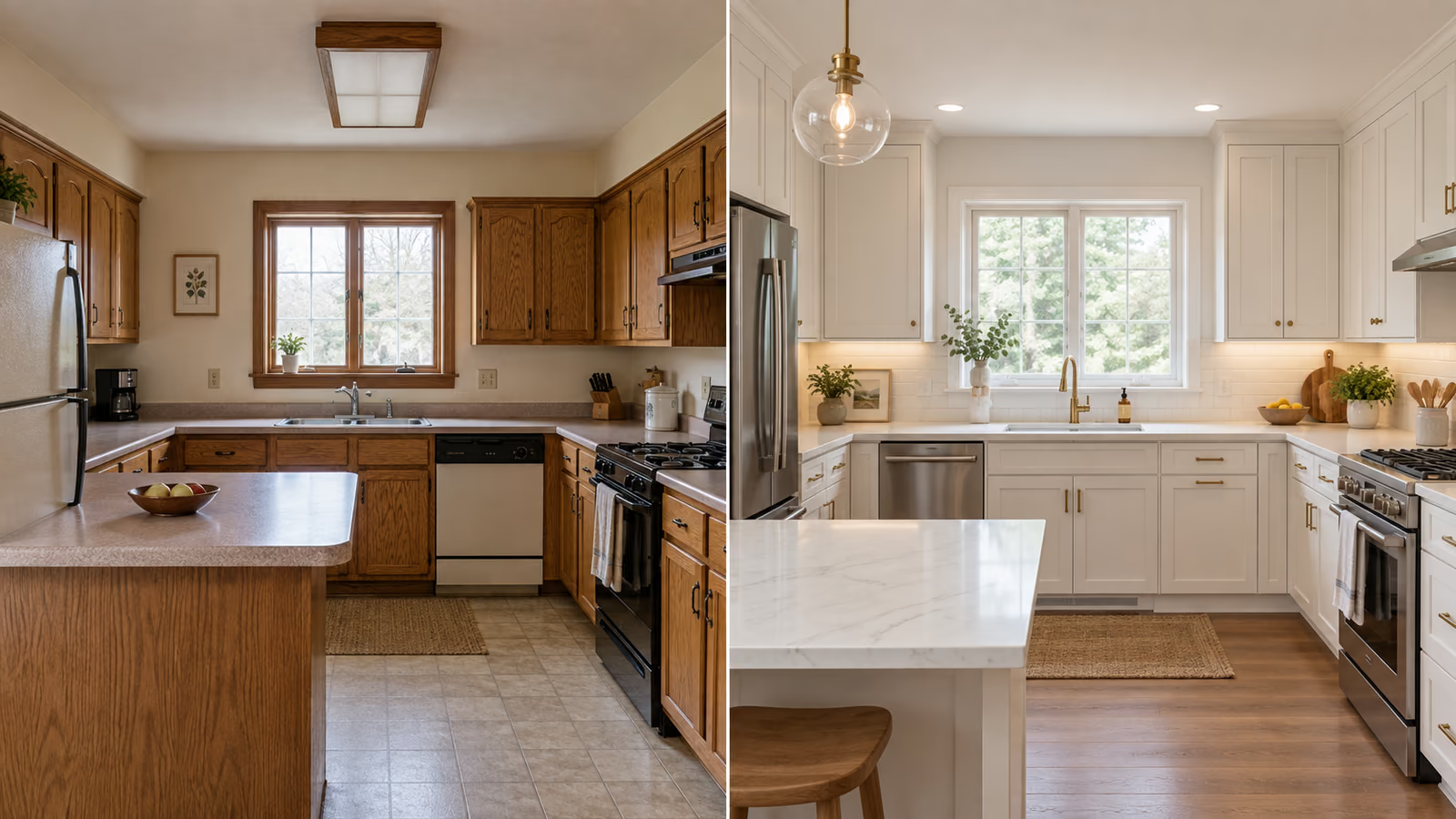
Store each item near where it enters your routine, favor drawers and doors for visual clutter, and use vertical or underused zones before adding freestanding furniture.
Hooks, dividers, labels, and matching bins
Benches, beds, consoles, and modular cabinets
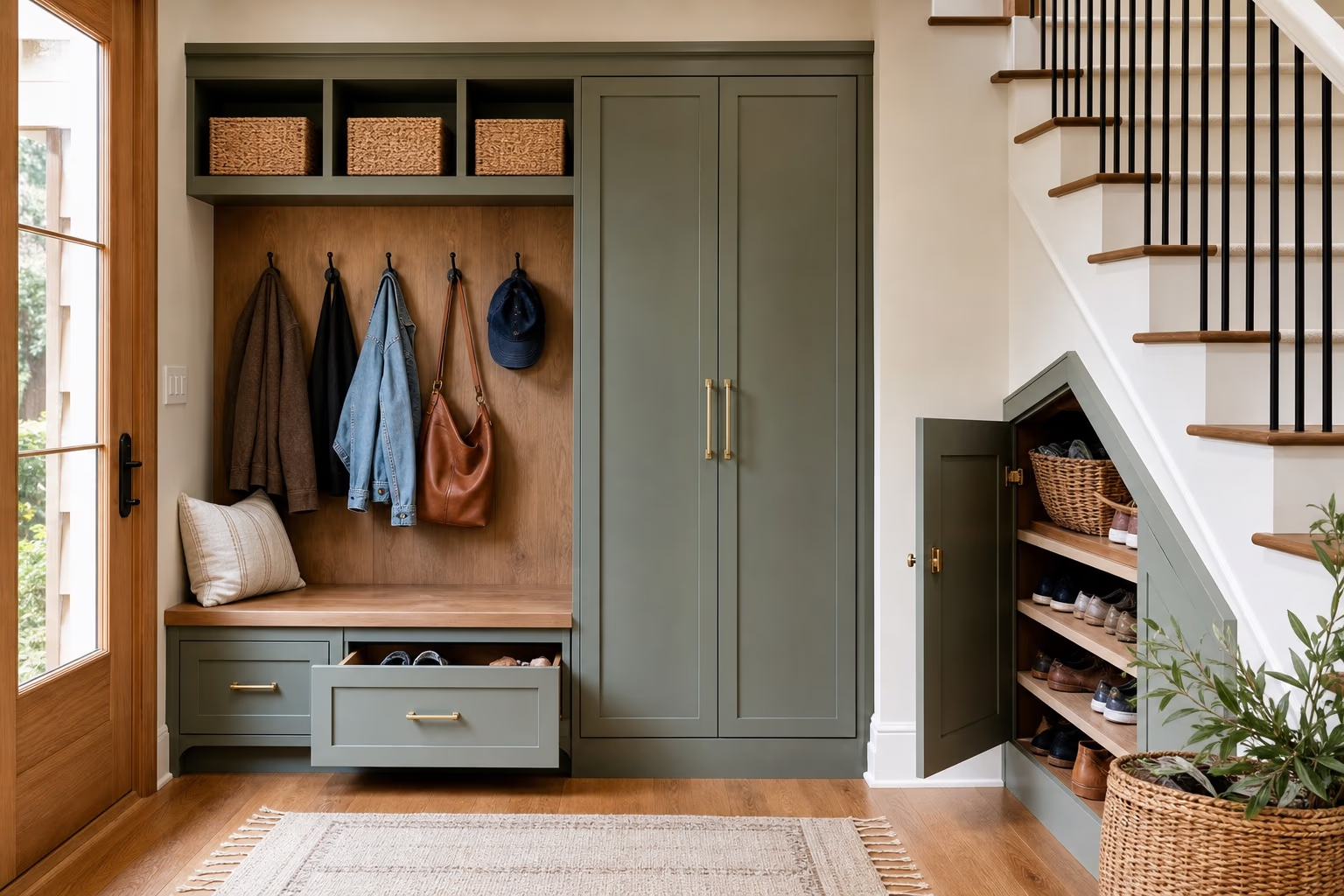
Mudrooms, alcoves, or under-stair cabinetry
Planning ranges and scenarios are starting points, not quotes or promises. Replace them with current documents and property-specific evidence before spending money.
Design storage around the drop zone
Clutter accumulates where an action ends: bags by the door, mail on the counter, clothes near the shower, and chargers beside the sofa. Put the storage at that exact point rather than expecting a different routine.
In an entry, a hook, shallow tray, shoe drawer, and seat may solve more than a large distant closet. Give every household member a clear landing place.
- Track clutter for three normal days
- Store items where the action ends
- Make the most-used items easiest to reach
Use closed storage for noisy categories
Cables, games, cleaning supplies, food packages, and mixed small objects create visual noise. Drawers, doors, and opaque bins calm them. Open shelves work best for books, plants, and edited collections.
Use containers to divide a drawer, not to postpone decisions. Measure the cabinet first and buy organizers only after grouping what truly belongs there.
Look under, above, and behind
Beds, benches, stairs, high closet shelves, cabinet-door backs, and the space above a washer are often more valuable than another floor cabinet. Keep heavy objects low and seasonal objects higher.
Leave ventilation and access around mechanical equipment. Never block electrical panels, air returns, plumbing shutoffs, sprinklers, or required exits with storage.
Create an easy reset
A successful system can be reset in ten minutes. If every item requires a lid, stack, or complicated label, the routine may fail on a busy day.
Keep a small donation container and review one category each month. Good storage is not maximum capacity; it is the right amount of space for the things that support your life.
Take this list with you.
Work from the evidence you already have, mark what is missing and verify the important assumptions before you commit.
- 01Observe three real clutter zones
- 02Measure before buying organizers
- 03Give daily items one-step access
- 04Move seasonal items higher
- 05Keep utilities and exits clear
- 06Create a ten-minute reset routine
A few things worth knowing before you start.
Is built-in storage worth the cost?
It can be when it solves an awkward zone and supports long-term use. Modular or freestanding storage is often better for renters or rooms likely to change.
Should storage bins all match?
Matching visible bins can calm a room, but fit and function come first. Inside closed cabinets, use the least expensive durable option that makes the category easy to find.
How do I stop a storage system from filling up?
Set a physical limit for each category and use a one-in, one-out review when it is full. Add space only when the category genuinely supports daily life.