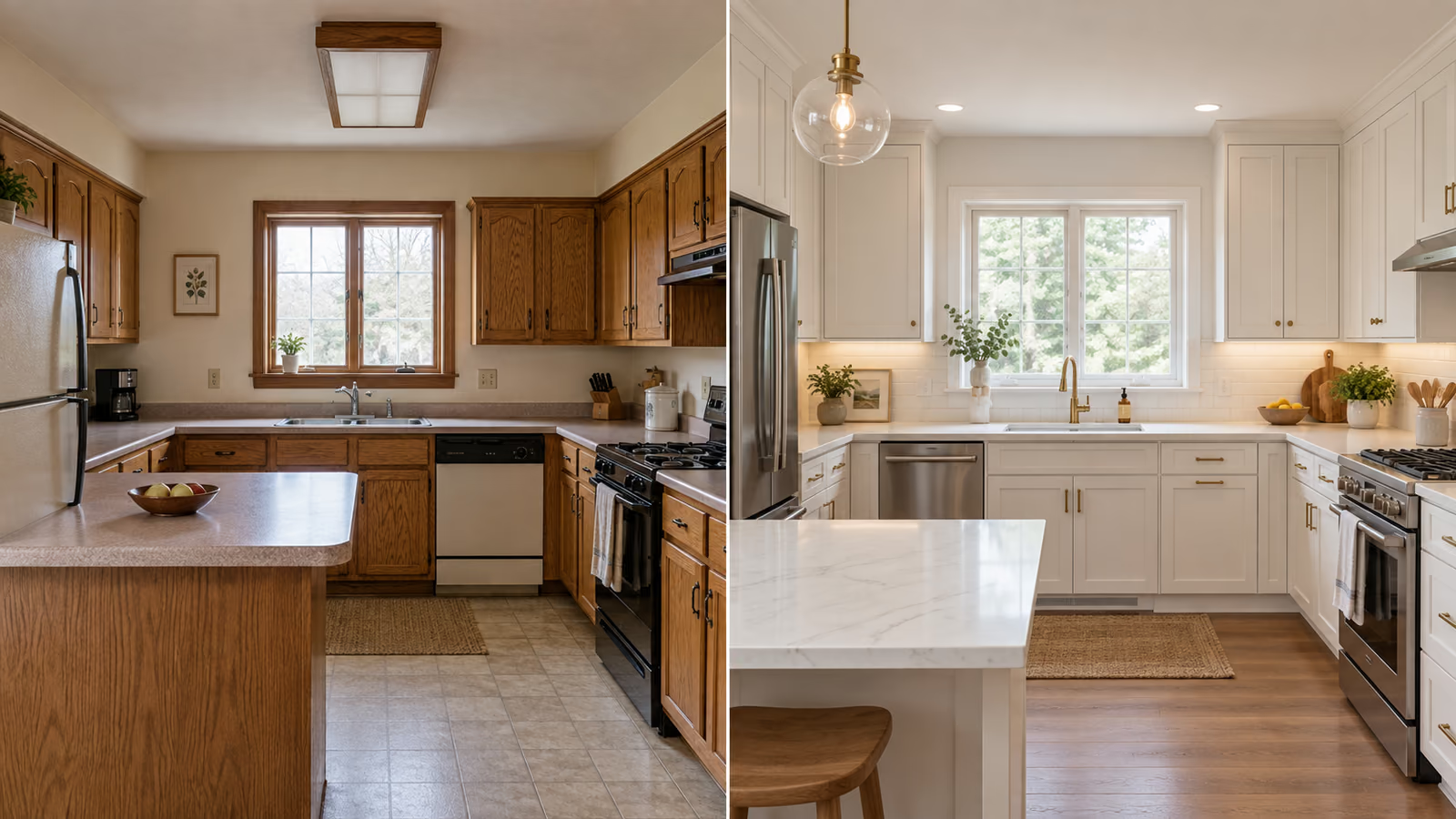
Treat the purchase and renovation as one decision. Start with independent inspections, separate must-do safety and water work from cosmetic wishes, price permits and temporary housing, and keep a contingency that belongs to you. Compare the all-in number with a move-in-ready alternative—not just the two asking prices.
Roof, water, structure, electrical hazards, heat and sanitation
Reliable systems, safe rooms, basic surfaces and required approvals
Layout changes, premium finishes and upgrades that can follow later
Planning ranges and scenarios are starting points, not quotes or promises. Replace them with current documents and property-specific evidence before spending money.
A fixer is two purchases wearing one address
The listing price buys the property. The second purchase begins with inspections, design, permits, demolition, labor, materials and months of carrying costs. A bargain survives only when both purchases fit the household budget.
Build a side-by-side comparison with a move-in-ready home in the same realistic search area. Include taxes, insurance, financing, utilities, commuting and the value of work that may be delayed—not just the renovation headline.
- Compare all-in cost, not asking price
- Keep urgent and optional work separate
- Price the time between closing and move-in
Inspect the systems, not the paint color
A general inspection is a starting point. Depending on age, condition and location, follow-up evaluation may be sensible for the roof, structure, sewer, septic, well, chimney, electrical service, HVAC, drainage, pests, lead paint, asbestos or moisture. Choose qualified professionals who work for you.
Use the reports to build a dated repair list: immediate safety, first year, three-to-five years and optional. A long list is not automatically a reason to walk away; an unpriced list is a reason to slow down.
Open walls turn estimates into ranges
Older renovations can reveal rot, undersized wiring, abandoned plumbing or previous work without permits. No responsible pre-purchase estimate can see everything behind finished surfaces. Carry a contingency outside the contractor's base price and decide in advance what discovery would trigger a redesign or a stop.
Ask each bidder to name assumptions and exclusions. The goal is not a false fixed number; it is knowing which parts are firm and which parts still have room to move.
The financing has to match the construction
Ordinary mortgage approval may not cover a property with serious condition problems, and a renovation loan can add inspections, draws, documentation and contractor requirements. HUD's FHA 203(k) program is one possible route for eligible buyers and properties, but it is not the only one and it is not automatic.
Compare loan fees, interest, required reserves, draw timing and cash needed before reimbursement. Never assume a future refinance will rescue a budget that does not work at closing.
Live through one season before moving every wall
If the home is safe and functional, consider completing urgent work first and living with the layout before committing to a major redesign. Morning light, storage habits, traffic paths and actual utility bills often change the wish list.
This pause is not always possible, especially when hazardous materials or major systems require coordinated work before occupancy. But when it is, waiting can protect both money and good decisions.
Take this list with you.
Work from the evidence you already have, mark what is missing and verify the important assumptions before you commit.
- 01Price the home and renovation as one purchase
- 02Order independent inspections and needed specialists
- 03Separate safety, water and system work from cosmetics
- 04Check permits and prior work with the local authority
- 05Get written scopes with assumptions and exclusions
- 06Add financing, design, permits, storage and temporary housing
- 07Keep a homeowner-controlled contingency
- 08Compare with a move-in-ready alternative
- 09Set a walk-away number before negotiations
A few things worth knowing before you start.
How much contingency should a fixer-upper have?
There is no safe universal percentage. The reserve should reflect inspection findings, age, access, how much work is behind walls and how much uncertainty the bids still contain.
Can I finance repairs with the mortgage?
Some renovation mortgages can combine eligible purchase and improvement costs, subject to lender, borrower, property and contractor requirements. Compare the full process and cost with other financing.
Should the seller fix problems before closing?
That depends on the market, contract, financing and the work. A credit or price change may be cleaner than seller-managed repairs, but get legal and real-estate advice for the specific transaction.
When is a fixer-upper too risky?
Walk away when verified costs exceed the all-in limit, essential information is unavailable, financing cannot safely carry the project or the household lacks time and reserve for the uncertainty.
Check the original guidance.
- HUD — FHA 203(k) rehabilitation mortgage insurance↗
- EPA — Renovation, Repair and Painting Program↗
- Federal Trade Commission — Hiring a contractor↗
Sources provide the current national or program context reviewed on the date above. Contracts, loan terms, prices, eligibility, codes and property conditions still require transaction-specific verification.