A leak does not have to create a visible puddle before it costs money. Running toilets, worn valves, irrigation problems and hidden supply-line failures can show up first as an unusual bill or meter movement.
Run a controlled meter check
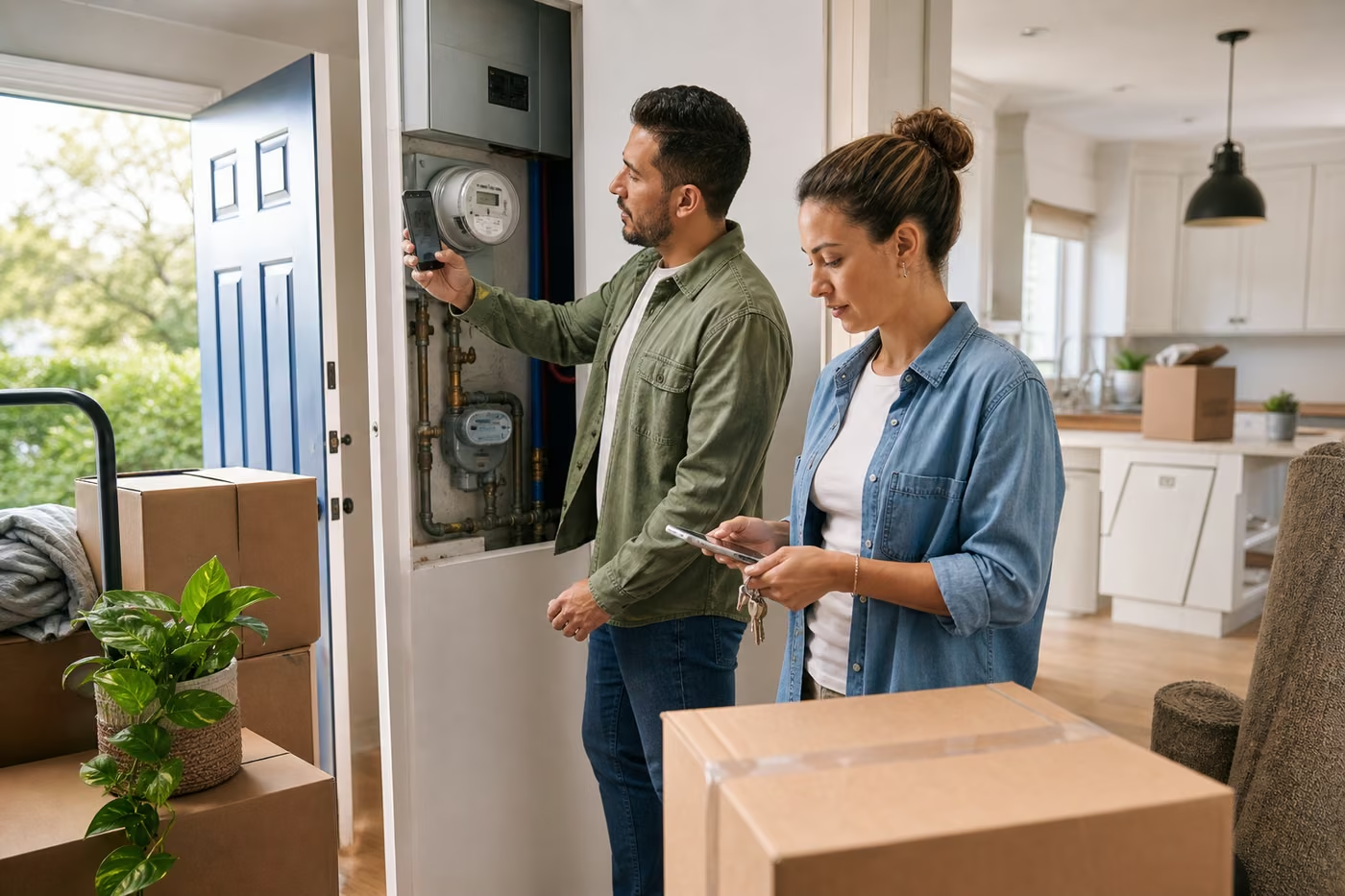
Turn off faucets, appliances, irrigation and other water use. Record the meter, wait two hours without using water, and read it again. If the number changes, investigate toilets, fixtures, appliances, irrigation and accessible piping.
Start with common, low-cost causes
A toilet dye test can reveal a leaking flapper. Inspect washing-machine hoses, water-heater pans, refrigerator lines, under-sink connections, hose bibbs and irrigation valves. Moisture stains or musty odors deserve prompt attention.
Know when monitoring helps
A whole-home flow monitor or point moisture sensors may alert you earlier and some systems can close a valve automatically. Confirm pipe compatibility, power, internet needs, subscription cost, maintenance and whether your insurer recognizes the device.
The HomeCostGrid view
Compare water use with the same month last year and create a baseline for the home. A small plumbing repair is usually easier to budget than flooring, cabinets and mold work after a hidden leak grows.