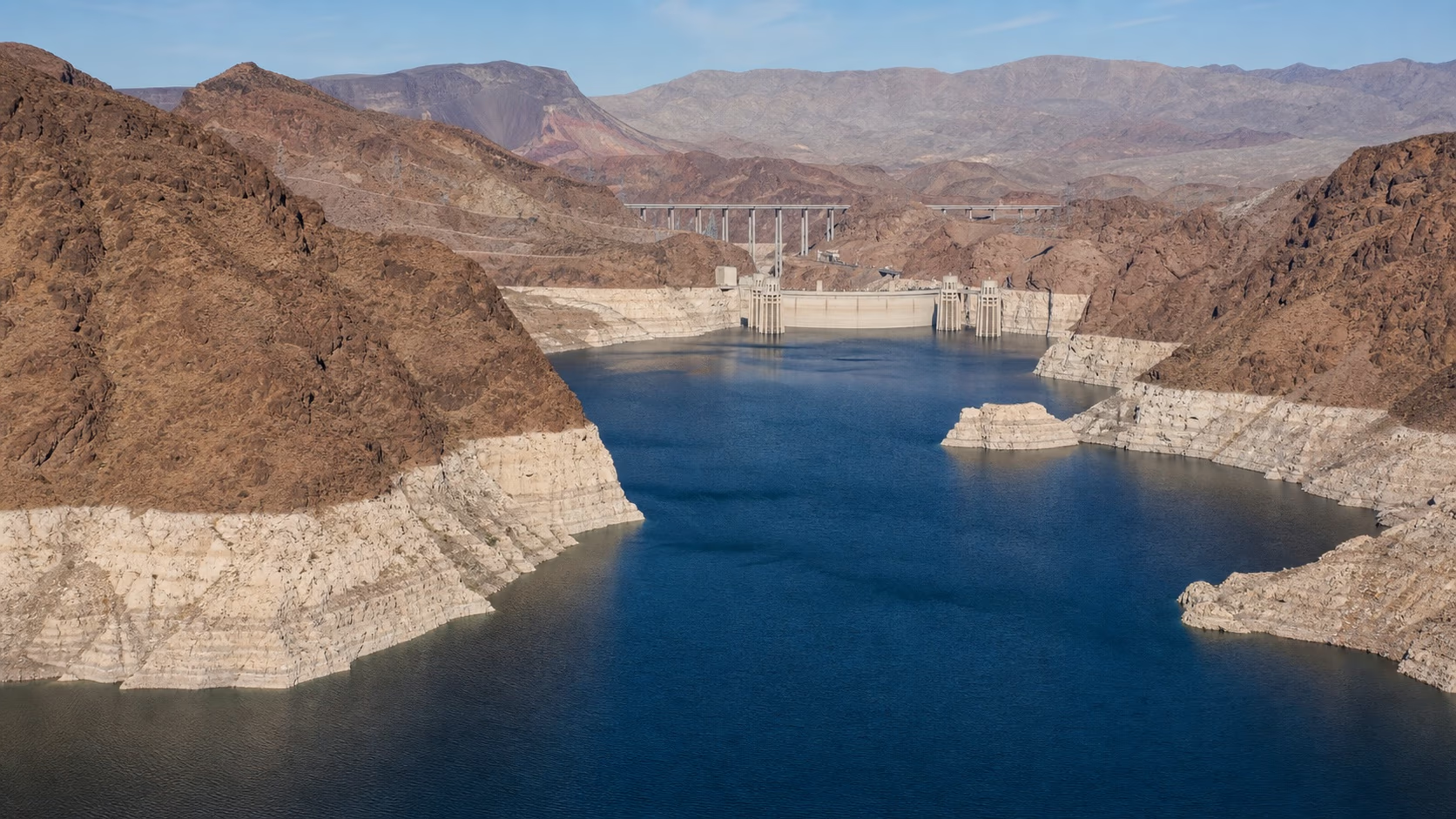
Search interest around Lake Mead and Lake Powell is rising again, and this time there is a real official update behind the concern. The Bureau of Reclamation says Colorado River system storage was about 36% of capacity in April 2026 after prolonged drought, record-low winter snowpack and unusually warm March conditions. Its response includes moving additional water from Flaming Gorge toward Lake Powell and reducing planned releases from Lake Powell to Lake Mead through September.
The reservoir numbers are serious—but they are not your monthly bill
Reclamation’s July operating update projected Lake Powell to end water year 2026 at roughly 22% of capacity under the most-probable scenario. Those figures guide reservoir operations and state allocations. A household bill is set much closer to home: by a city or water district’s fixed service charge, usage tiers, infrastructure program, sewer formula and adopted rate calendar.
Las Vegas and Phoenix do not face the same household math
Southern Nevada receives most of its water through Lake Mead but has built low-lake pumping infrastructure, seasonal watering rules and aggressive outdoor conservation. Phoenix uses a more diverse mix that includes the Salt and Verde rivers, Colorado River water and groundwater. Phoenix’s current bill combines a fixed monthly charge, usage charges and environmental charges. The same regional drought can therefore produce different restrictions, rebates and price signals from one utility to the next.
Outdoor water is the first useful place to look
Southern Nevada’s water authority says residential properties account for nearly 60% of local use and that outdoor water cannot be recycled back into the system. Households there should check the seasonal watering schedule, leak alerts, turf-replacement programs and pool rules before assuming an indoor-use cut will deliver the largest savings. In another city, sewer charges or a high-volume tier may be the more important line.
Build a local water-cost check in ten minutes
Open the latest bill and separate the fixed charge from gallons used, sewer, taxes and surcharges. Compare the same billing period with last year, then use the utility’s official rate table—not a social-media estimate—to price the next tier. Check for a silent irrigation leak, adjust watering days, and ask whether a rebate is available before buying equipment.
What could change next
The operating agreements that have guided Lake Powell and Lake Mead are transitioning after 2026, and Reclamation’s projections can change with runoff, demand and policy decisions. Watch the Bureau’s official studies and your own utility’s public rate process. A new basin decision matters, but it becomes a household number only after the local provider explains how supply, infrastructure and conservation costs will be handled.