BUYER DEEP DIVE · RURAL Subaru
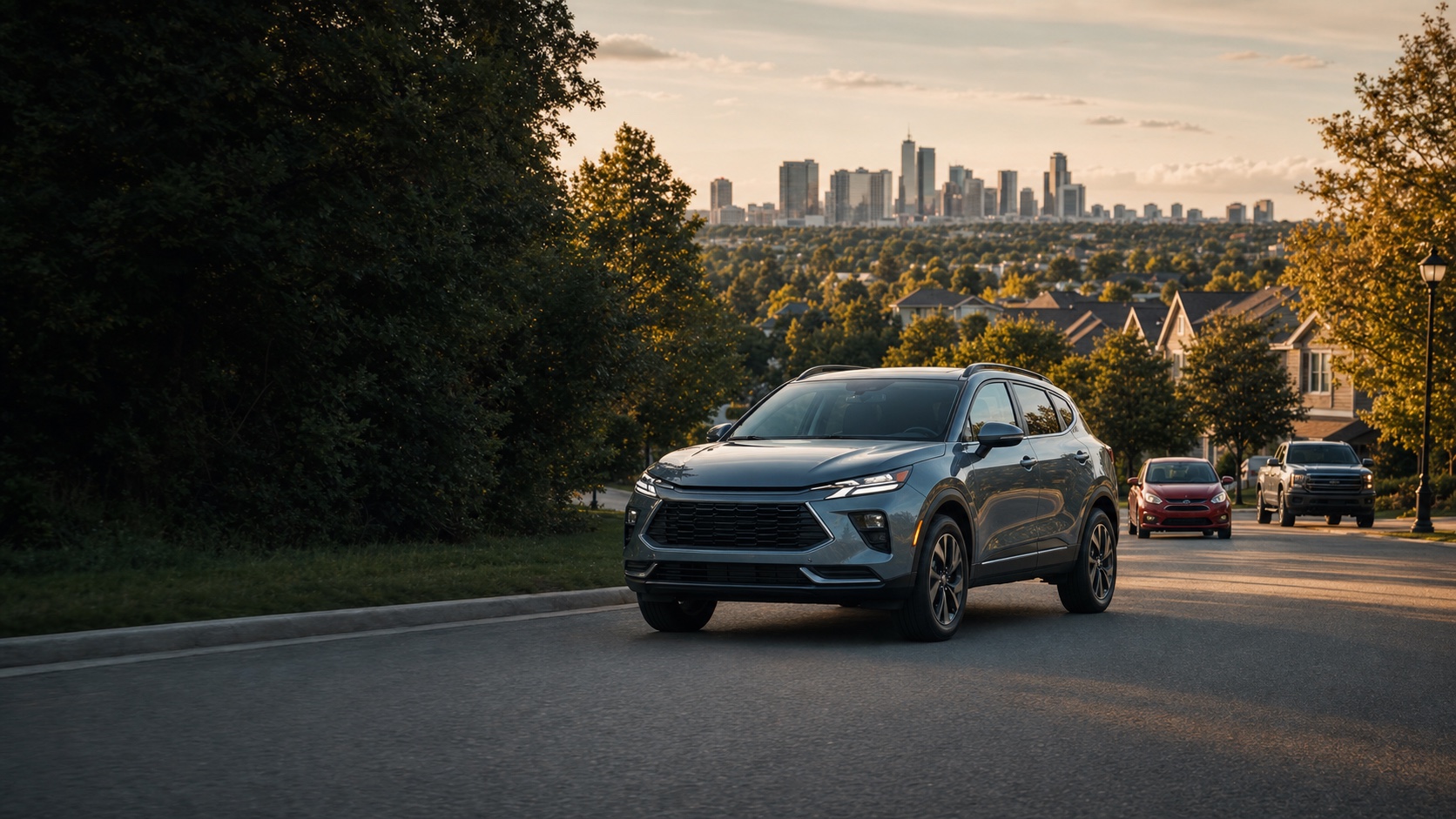
SubaruSubaru Crosstrek: the snow-belt compromise that stays city-sized
Compact parking dimensions meet useful clearance and weather confidence. We examine the trade between capability, fuel and everyday space.
HC GRID SCORE8.3/10
WHAT WORKS
- Strong weather and rough-road fit
- Compact city footprint
- Useful balance for outdoor weekends
WHAT TO WATCH
- Gas cost is higher than efficient hybrid alternatives
- Cargo space remains compact
- Windshield and driver-assistance repairs deserve a quote
THE VERDICT
The Crosstrek is a convincing mixed-environment vehicle: easier to live with than a large SUV, more weather-ready than many compact cars. Buyers should still price fuel and glass-related technology.
Weather confidence is a system
Drivetrain is only one part of winter performance. Tires, ground clearance, visibility, driver skill and local road treatment matter. Budget for the right tire strategy rather than treating a badge as insurance.
Small outside, deliberately useful inside
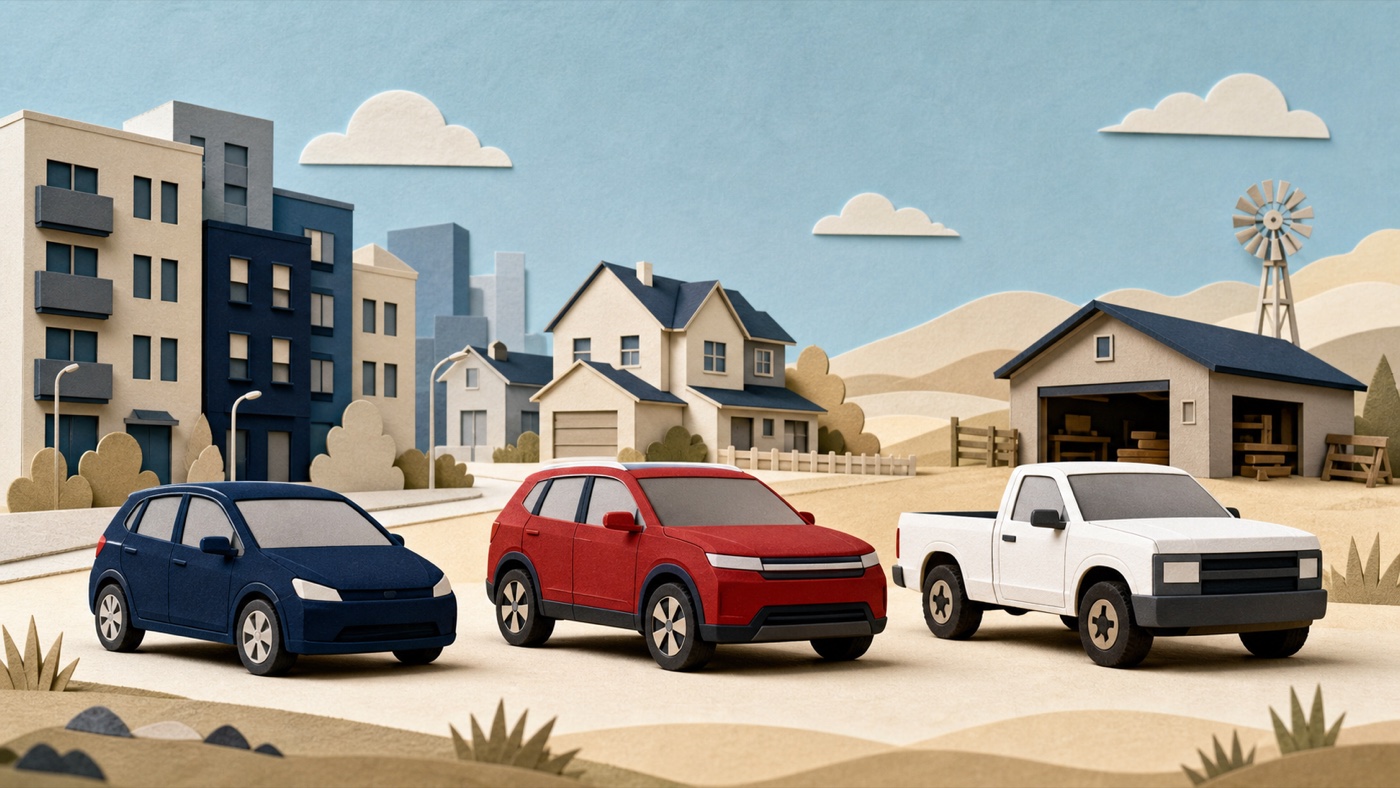
The compact footprint is a genuine benefit in older Northeast cities and crowded trailheads. The trade is that large family or renovation loads may require a roof solution or a larger vehicle.
The cost of modern glass
Driver-assistance cameras can make windshield replacement and calibration more involved. Ask local glass and insurance providers what the process looks like before a loss.
What the household budget says
Our baseline uses 12,000 miles a year and separates energy, maintenance and wider ownership risk. It is a planning model, not a dealer, insurer or repair quote.
Fuel / energy$1,490modeled annual
Maintenance reserve$1,416modeled annual
Total range$8,606–$11,10612K-mile planning range
Snow-belt drivers who park in town during the week and need clearance or trailhead access on weekends.
Open the full ownership-cost profile →CRASHWORTHINESS · RECALLS · STRUCTURE
Safety should be compared by exact year and trim.
NHTSA stars below are loaded from the official 5-Star Safety Ratings API. At most the first three tested variants are shown in NHTSA order. IIHS uses a separate crashworthiness and crash-avoidance test program.
Loading official NHTSA tests and recalls…
Star ratings apply only to the shown model year and tested variant. They cannot be transferred automatically to another year, trim, body style or build date. Recall count is model-level; use the VIN lookup to see whether a specific vehicle has an unrepaired recall.
More expert cost reviews
 Toyota
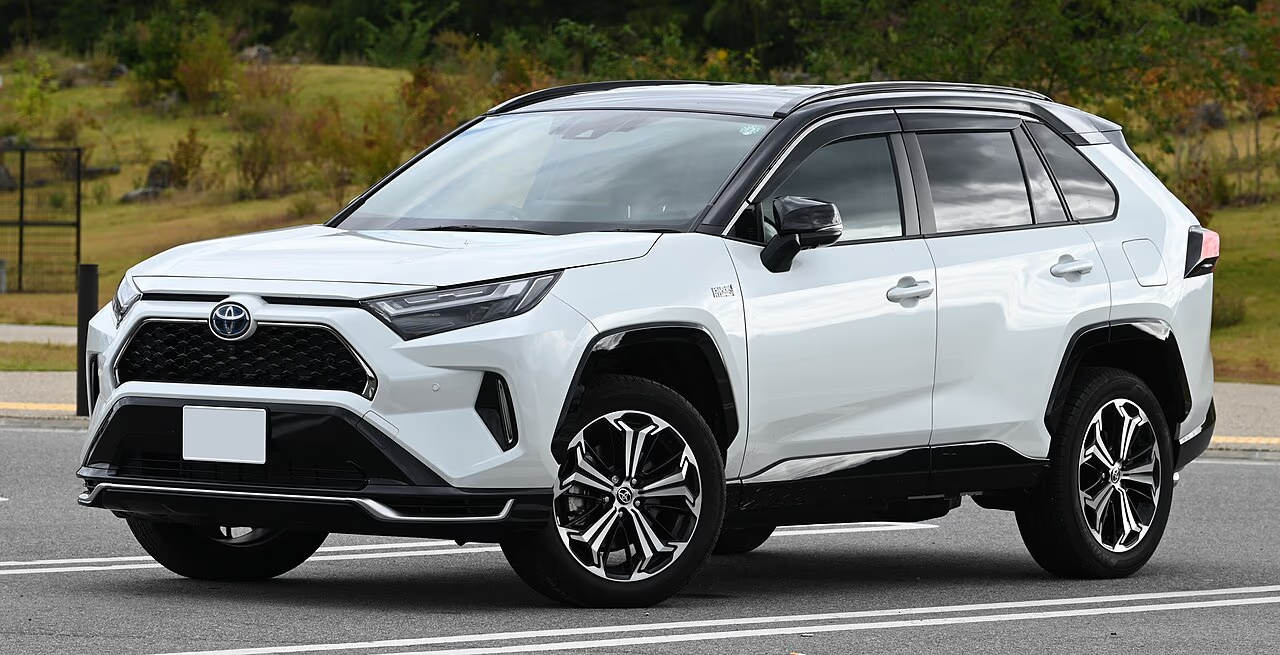
Toyota RAV4 Hybrid: the family default, tested against the whole budget
8.8/10 · Read →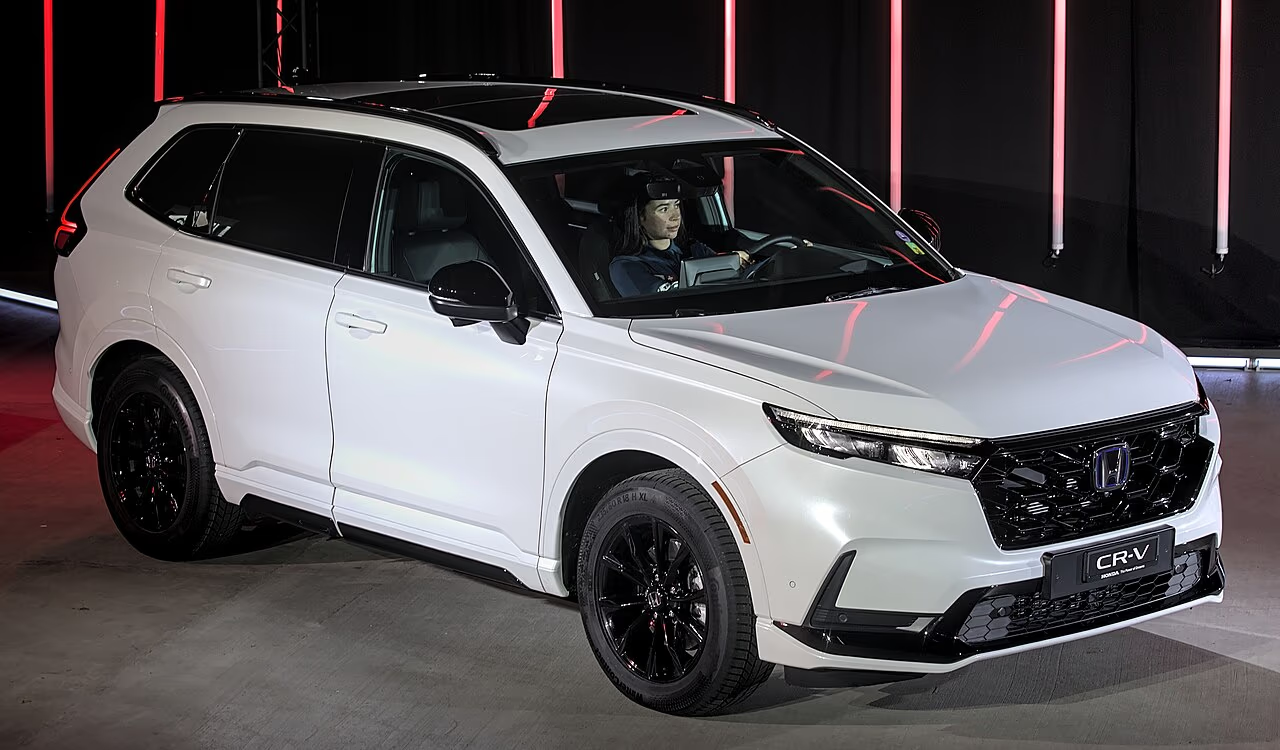
 Honda
HondaHonda CR-V Hybrid: is practical space worth the step-up price?
8.6/10 · Read → Toyota