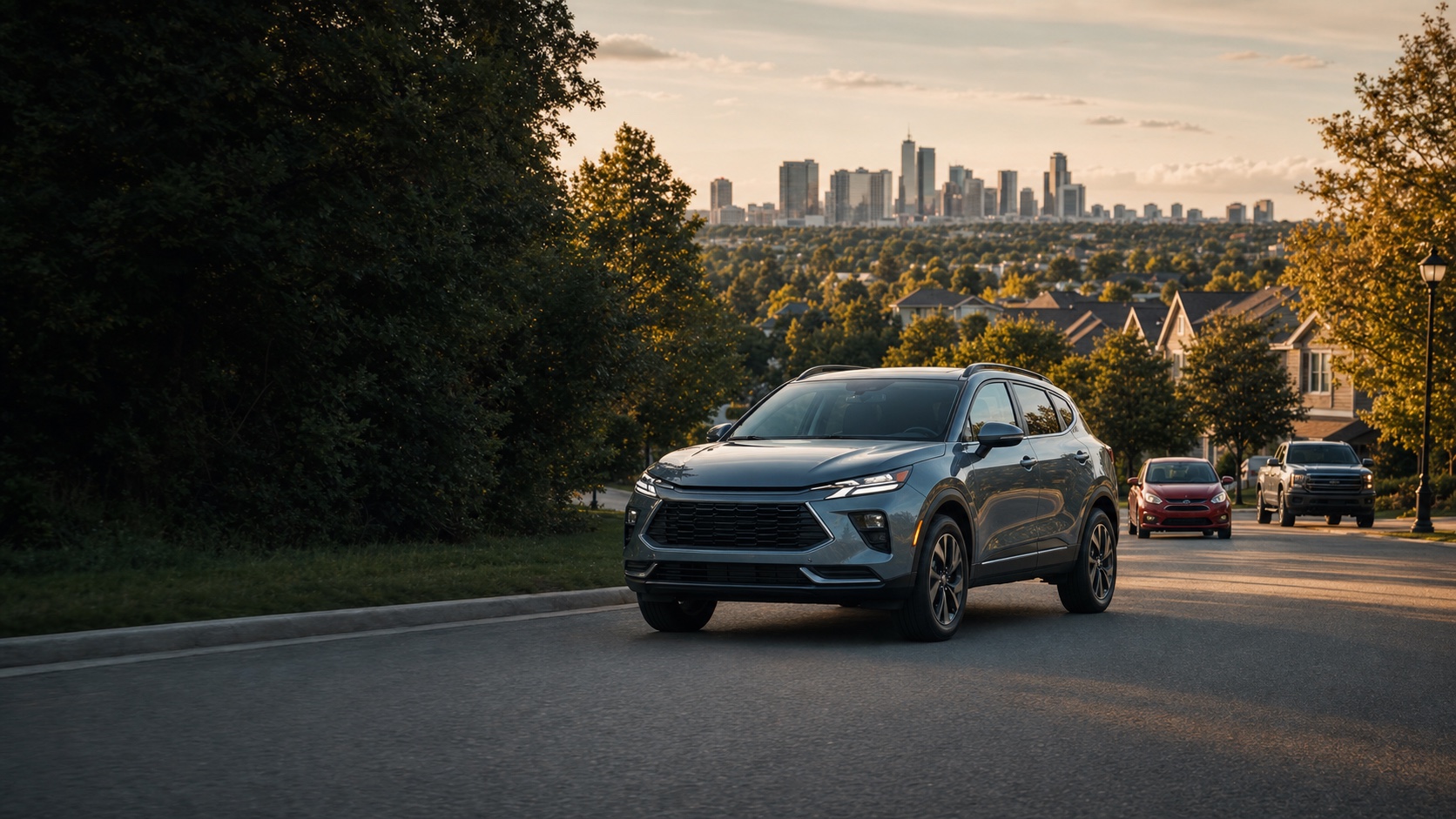
LONG-TERM COST · EV & HYBRID Hyundai
HyundaiHyundai IONIQ 5: brilliant with home charging, complicated without it
The household energy case can be excellent. Insurance, collision repair, winter range and charging access decide whether it stays excellent.
HC GRID SCORE8.4/10
WHAT WORKS
- Flexible and spacious cabin
- Low modeled home-energy cost
- Fast-charge capability for compatible road-trip stops
WHAT TO WATCH
- Insurance and collision repair can be costly
- Apartment charging changes the convenience equation
- Cold weather and highway speed reduce usable range
THE VERDICT
The IONIQ 5 is easiest to recommend to a homeowner with reliable overnight charging and a favorable insurance quote. Without those two inputs, the ownership story becomes much less predictable.
The home is part of the powertrain
A dedicated overnight charging routine is what turns an EV from a public-charging project into a convenient household tool. Include panel capacity, installation and utility rate in the purchase decision.
Energy savings are not total savings
Electricity can be inexpensive per mile, while insurance, tires, depreciation and collision repair move in the other direction. The full annual model matters more than the energy line alone.
Plan the difficult week
Think about winter, holiday traffic, a broken charger and an unexpected long trip. A good EV fit is one where the backup plan is acceptable, not one where every week must be ideal.
What the household budget says
Our baseline uses 12,000 miles a year and separates energy, maintenance and wider ownership risk. It is a planning model, not a dealer, insurer or repair quote.
Fuel / energy$658modeled annual
Maintenance reserve$912modeled annual
Total range$8,470–$11,67012K-mile planning range
Garage-equipped households that can charge at home, have a second plan for long trips and have already checked insurance.
Open the full ownership-cost profile →CRASHWORTHINESS · RECALLS · STRUCTURE
Safety should be compared by exact year and trim.
NHTSA stars below are loaded from the official 5-Star Safety Ratings API. At most the first three tested variants are shown in NHTSA order. IIHS uses a separate crashworthiness and crash-avoidance test program.
Loading official NHTSA tests and recalls…
Star ratings apply only to the shown model year and tested variant. They cannot be transferred automatically to another year, trim, body style or build date. Recall count is model-level; use the VIN lookup to see whether a specific vehicle has an unrepaired recall.
More expert cost reviews
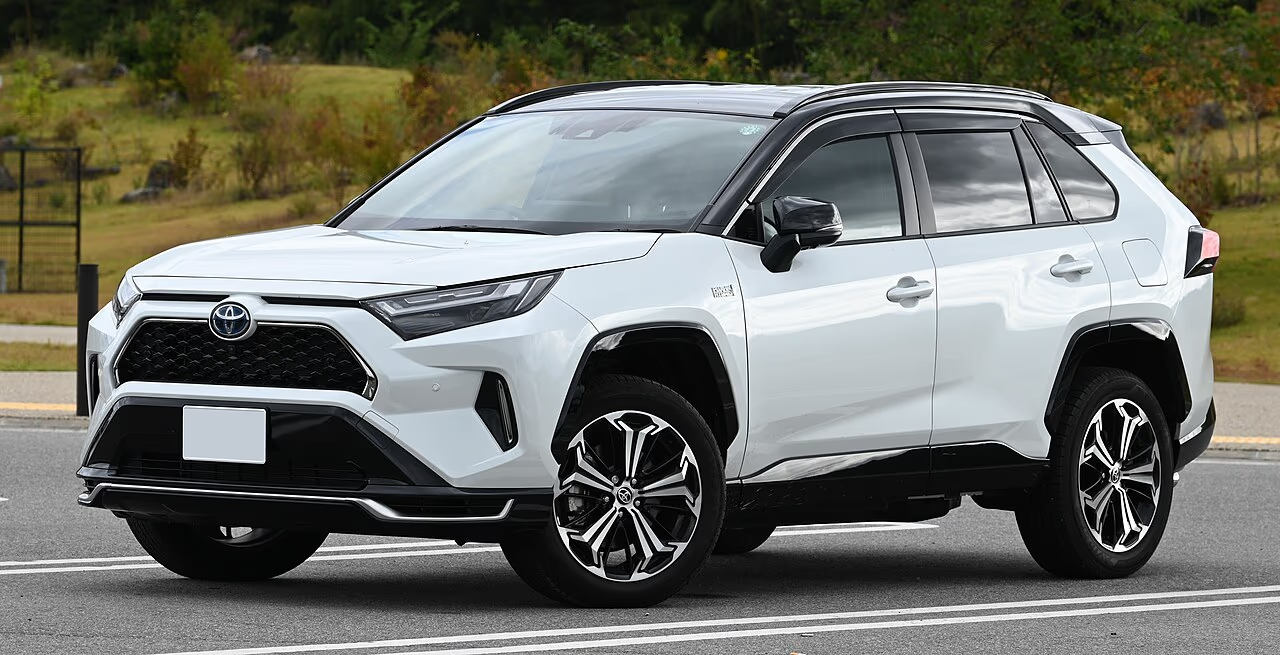
 Toyota
Toyota RAV4 Hybrid: the family default, tested against the whole budget
8.8/10 · Read →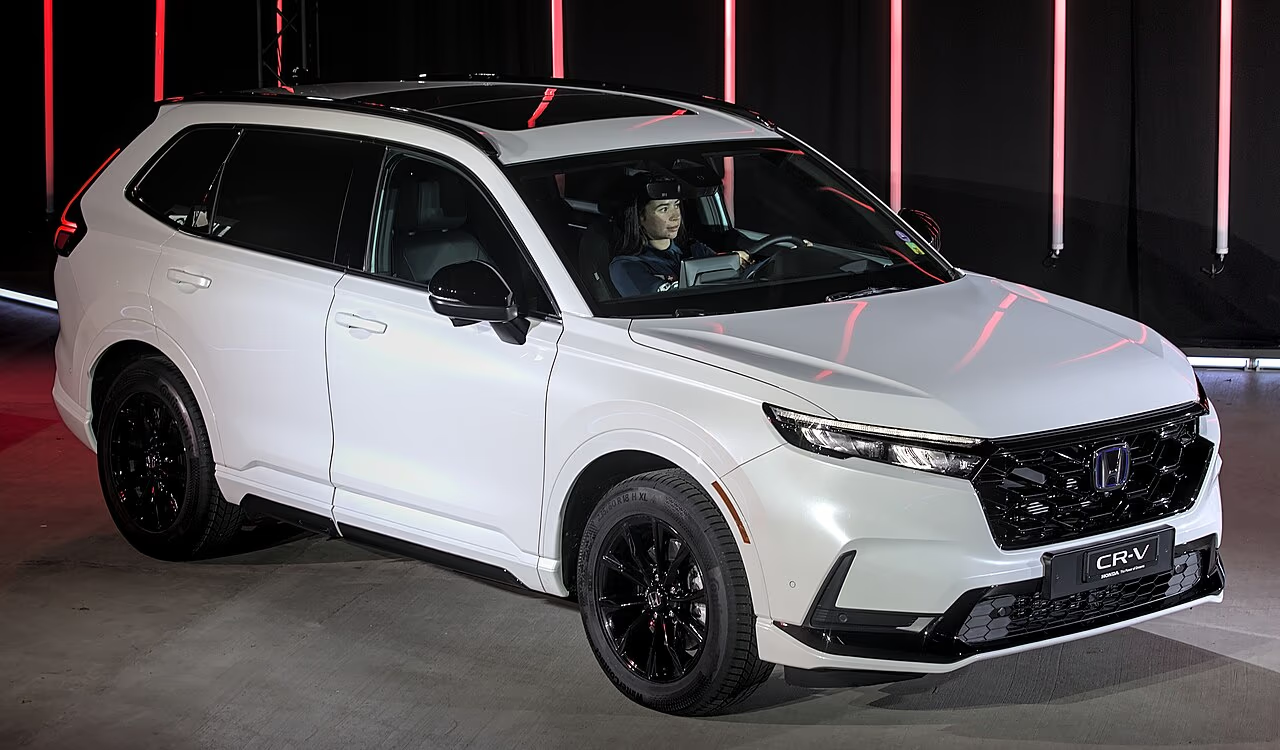
 Honda
HondaHonda CR-V Hybrid: is practical space worth the step-up price?
8.6/10 · Read → Toyota