A move-out bill and a broken payment portal are small administrative problems until they create a late fee, a deposit dispute or an eviction record. Minnesota's 2026 landlord-tenant law adds specific rules for both situations beginning August 1.
The final utility estimate has a formula
When the actual final utility bill is not available, a landlord may estimate it using the immediately preceding billing period, prorated to the tenant's final billing period. The law bars extra fees beyond billing or late fees already authorized for the preceding period. The estimate is not permission to invent a flat move-out charge.
A broken payment platform needs a free alternative
If a landlord requires or permits rent through a digital payment platform and that platform malfunctions, the landlord must offer an alternative payment method without a fee. If both the platform and alternative fail, the law says the tenant may not face adverse action or late fees for that failure and creates an affirmative defense in an eviction case.
Who and where
The provisions apply to Minnesota residential landlord-tenant relationships covered by the law. A lease, subsidized-housing program or local rule may add other requirements. The statute also changes other eviction procedures, including how minors are named; this article focuses only on the household-payment provisions.
Build a clean record
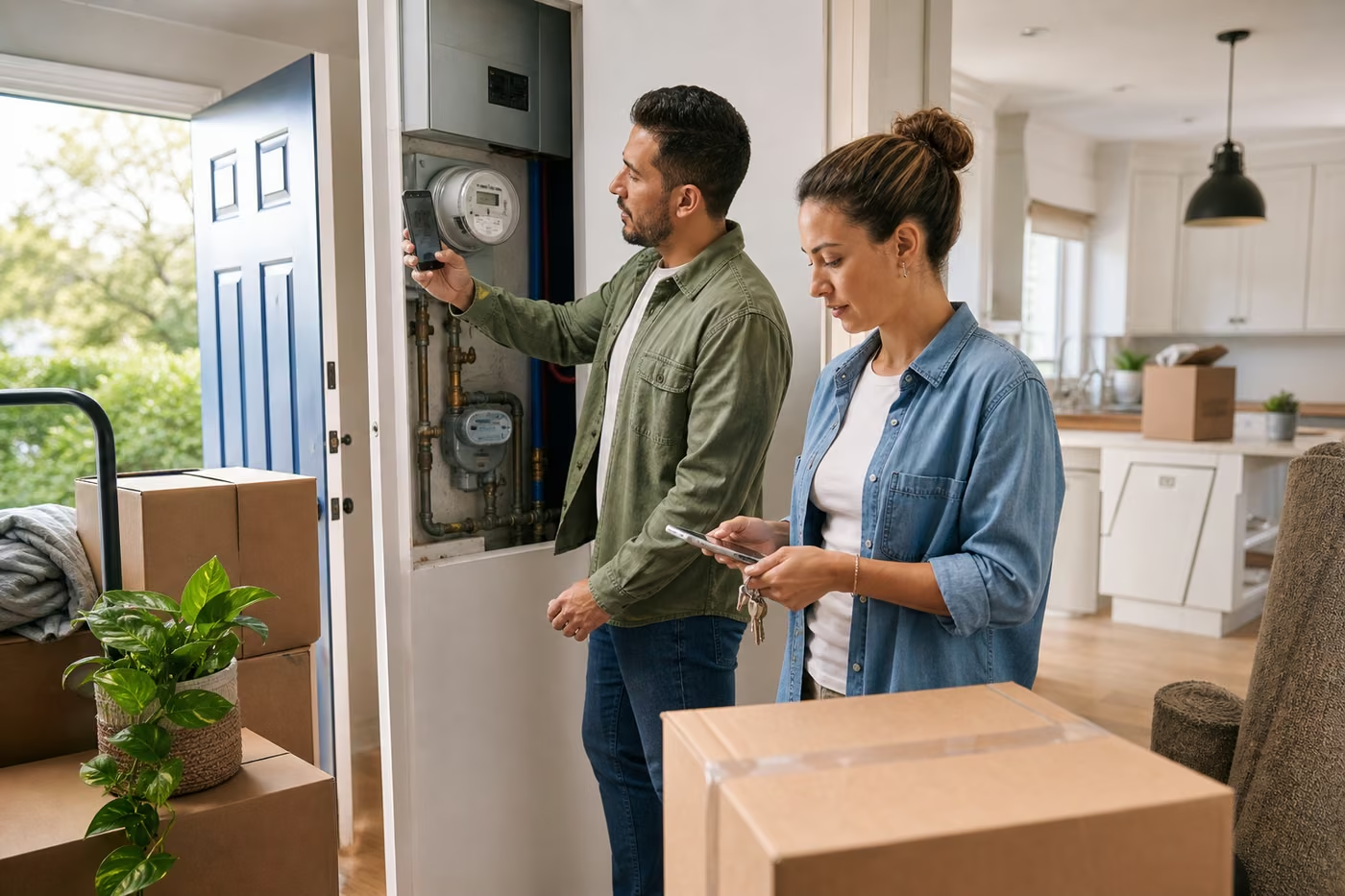
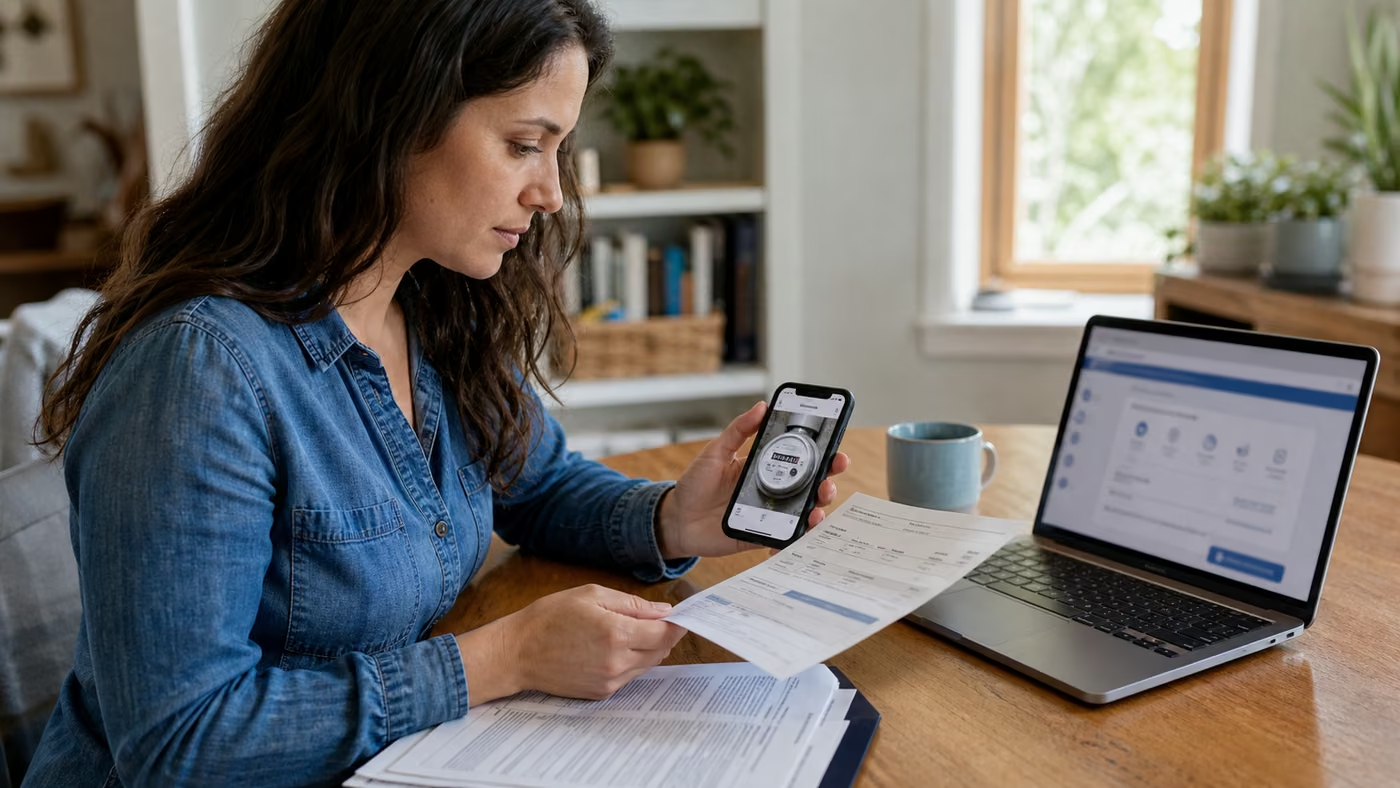
Photograph the meter at move-out where accessible and safe, keep the last complete utility bill, record the date and time of a failed payment attempt, and immediately ask the landlord in writing for the no-fee alternative. Keep confirmation of the completed payment.
HomeCostGrid action
Minnesota renters moving or renewing after August 1 should compare the lease payment clause with the new law and save the official legislative summary. If money, housing or an eviction case is at stake, use an official tenant resource or qualified Minnesota attorney for advice on the specific facts.