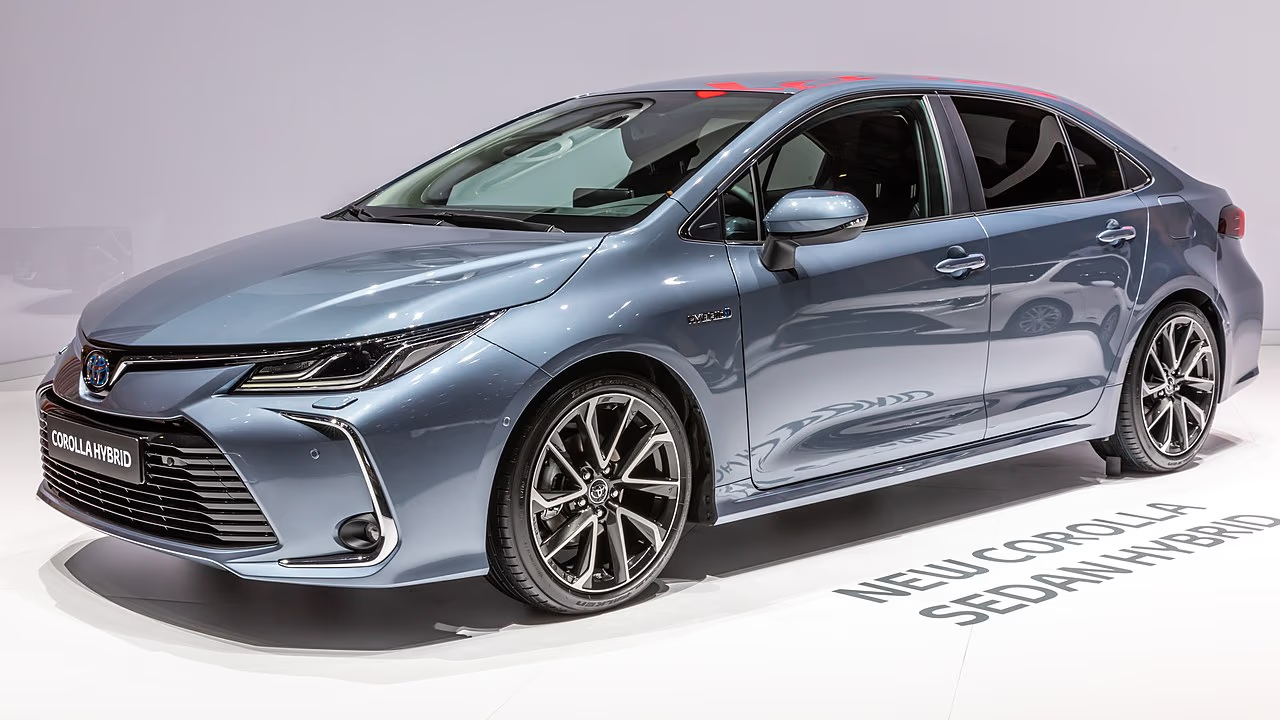
The middle lane is getting crowded. Conventional hybrids captured a record 16% of new light-duty vehicle sales in the second quarter, according to an Energy Information Administration analysis. For families that want lower fuel use without planning home charging, that is no longer a niche choice.
What changed in the showroom
Hybrid, battery-electric and plug-in hybrid vehicles together made up 24% of new sales, up from 22% a year earlier. Conventional hybrids gained share, while battery-electric vehicles slipped to 6% from 7% and plug-in hybrids fell to 1.4% from 1.9%. Those estimates describe the market, not the right answer for every driveway.
Why ordinary hybrids are finding buyers
A conventional hybrid refuels like a gasoline car and does not need a charger. That can fit apartment residents, street parkers and long-distance drivers who still want better stop-and-go efficiency. More models and body styles also mean shoppers are not limited to a small hatchback. The compromise is easier to understand than it was a few years ago.
The fuel-saving headline can mislead
Two hybrids can have very different EPA ratings, prices and tire costs. Highway-heavy drivers may save less than city commuters because regenerative braking does more work in slower traffic. Start with your annual miles, the share driven in town, local gasoline prices and the EPA combined rating for the exact trim—not a badge on the liftgate.
Do the break-even math
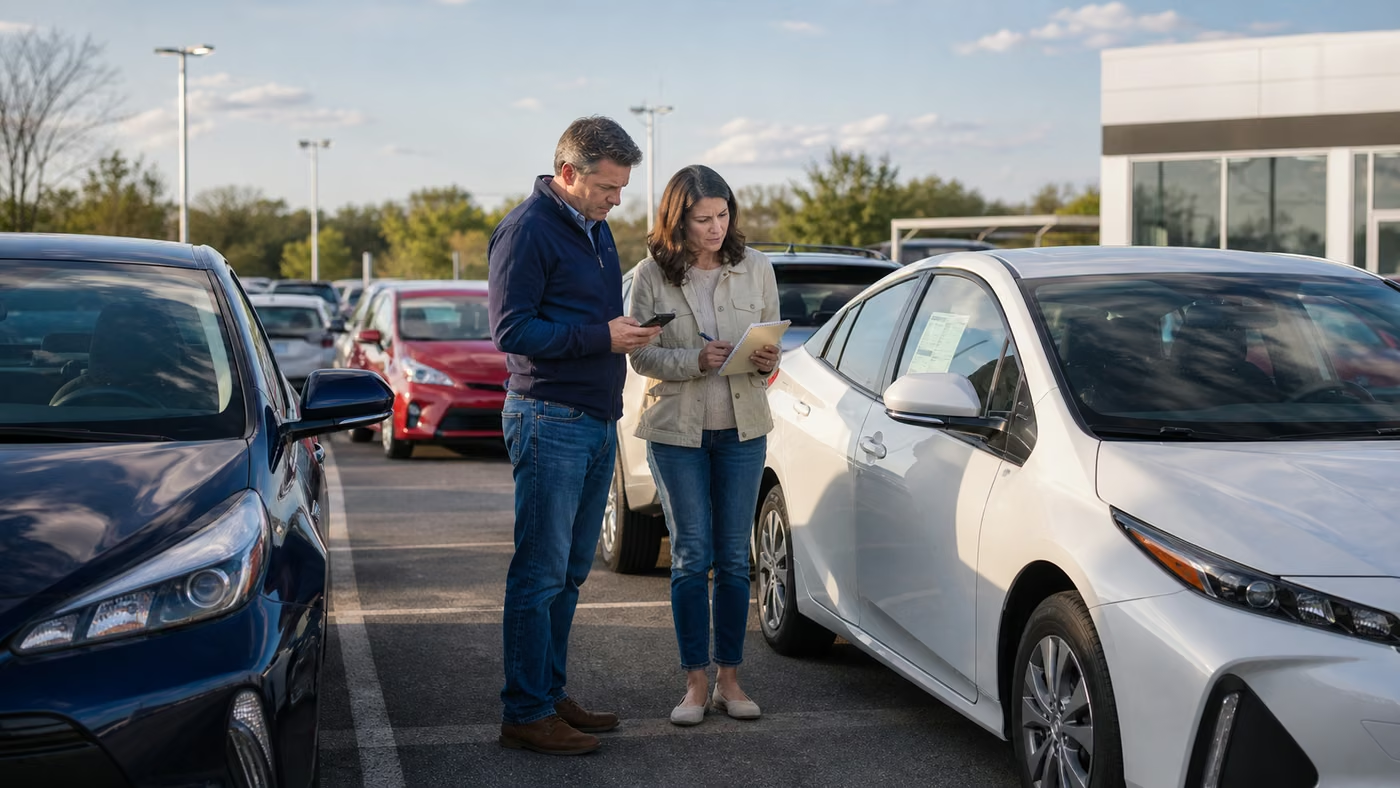
Subtract the comparable gasoline model's expected annual fuel cost from the hybrid's. Then divide any upfront price difference by that yearly saving. Add financing interest, insurance quotes and any trim equipment you would not otherwise buy. If you change cars quickly, the fuel savings may not have enough years to catch the purchase premium.
Battery vehicles are a different household decision
A battery-electric car can eliminate gasoline use, but home charging access, local electricity prices, winter range, insurance and trip patterns matter. The federal new clean vehicle and commercial clean vehicle credits cited by EIA expired in September 2025. Shoppers should verify current federal, state, utility and manufacturer programs rather than relying on an old tax-credit article.
The practical takeaway
A record market share means hybrids are becoming easier to find and compare. It does not make every hybrid cheap. Get insurance quotes before signing, price the exact trim, calculate fuel on your route and keep the car long enough for the math to work. The best hybrid is the one that lowers the whole ownership bill—not only the number at the pump.