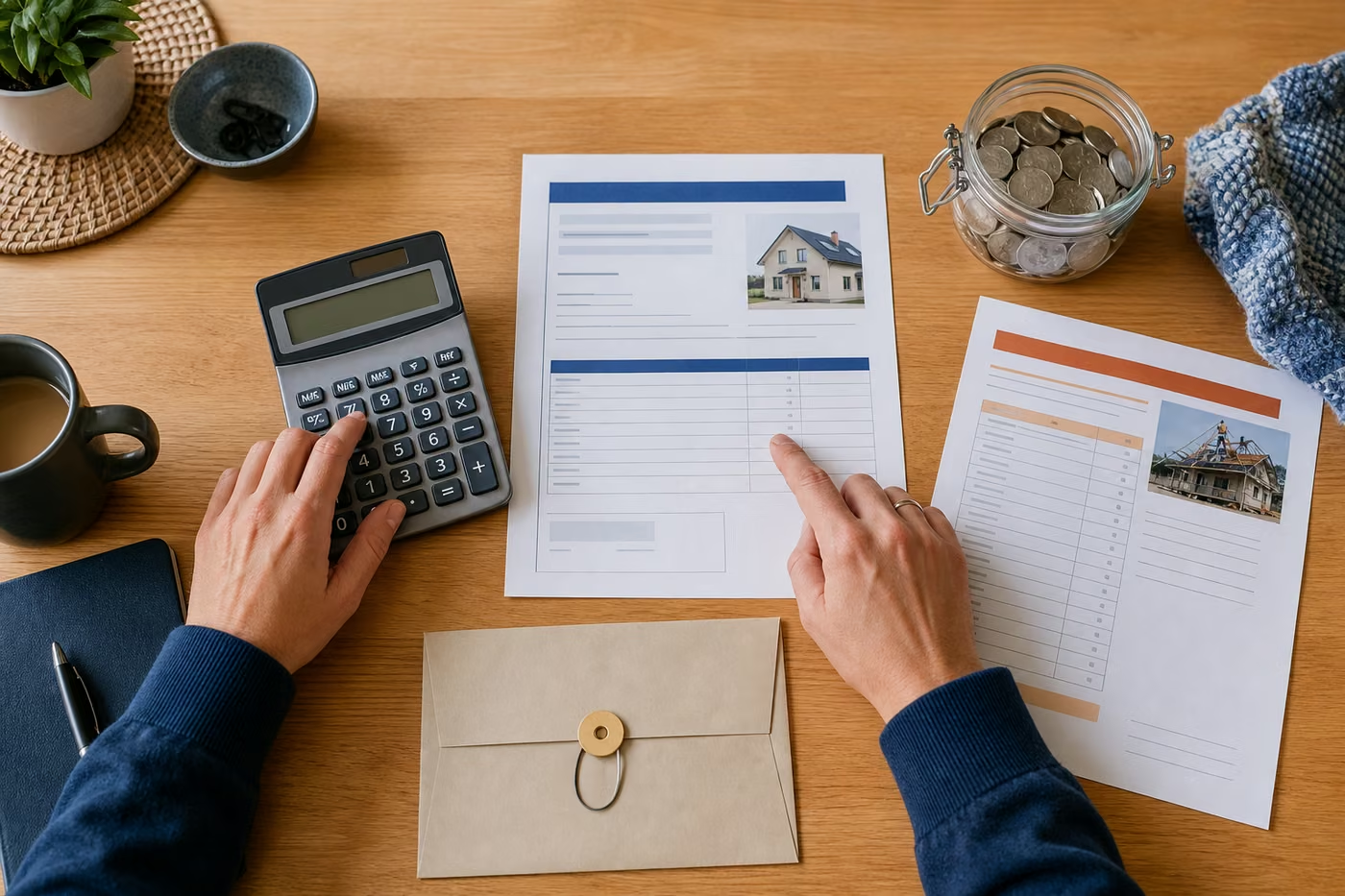
Households often begin with a product—new windows, solar panels, a heat pump or insulation. An assessment begins with the building and asks which problems are driving bills, comfort complaints and equipment load.
Bring useful evidence
Provide at least twelve months of utility bills, renovation history, equipment details and a list of rooms that are drafty, humid, hot, cold or noisy. Point out moisture, odor and indoor-air concerns before testing begins.
Ask what testing is included
A scope may include visual inspection, blower-door testing, duct leakage, infrared imaging, insulation review and combustion-safety checks. Confirm deliverables, qualifications, insurance and whether the assessor also sells the recommended work.
Request a ranked plan
The report should distinguish urgent health or durability repairs from low-cost operational changes and larger capital projects. Ask for estimated cost, expected benefit, interactions with other systems and recommended sequence.
The HomeCostGrid view
Treat the audit as a decision tool, not a guarantee of savings. Get separate quotes for major work, keep assumptions visible and test or verify performance after the project when the scope supports it.