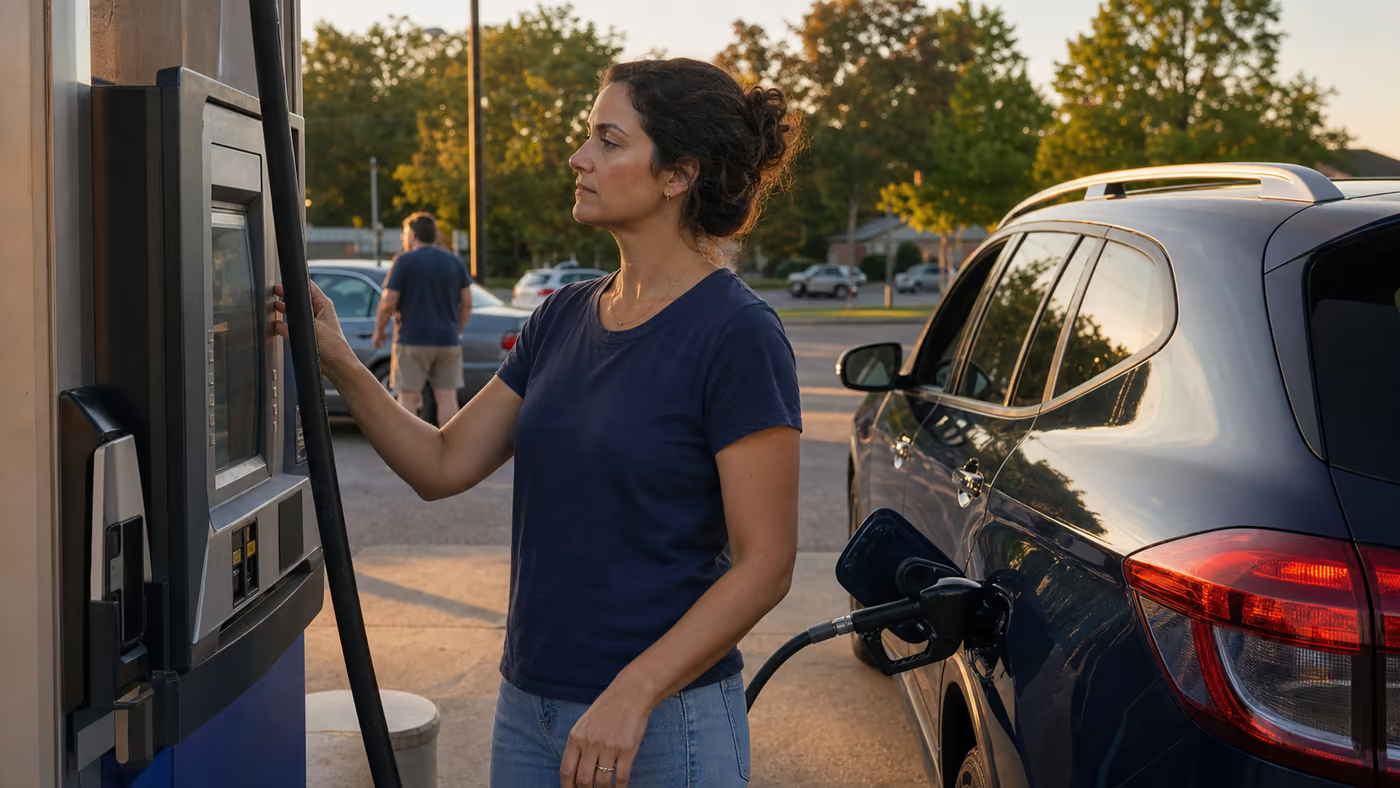
The pump is not giving drivers a break yet. U.S. regular gasoline averaged $4.096 a gallon on July 27, up 9.5 cents in a week and almost 97 cents above the same point last year. Still, the government's latest energy forecast says the national average could lose some heat as summer gives way to fall.
The forecast says down—not immediately
The Energy Information Administration expects regular gasoline to average about $3.80 a gallon across the third quarter, down from more than $4.20 in the second quarter. Its July outlook then puts the fourth-quarter average around $3.40. That is a nationwide forecast across several months, so it should not be read as the price your local station will post next Tuesday.
Why EIA expects some relief
Lower crude-oil prices are doing most of the work in the forecast. EIA also expects gasoline inventories to rebuild and the extra profit margin around summer fuel to narrow after peak driving season. But the agency warns that low inventories can keep wholesale and retail margins elevated in the near term—which helps explain why pump prices can rise even while the longer outlook points lower.
Your ZIP code may tell a different story
On July 27, regular gasoline averaged $3.690 on the Gulf Coast and $5.117 on the West Coast. California stood at $5.489, while Texas averaged $3.644. Taxes, fuel blends, refinery access and transportation costs all matter. A national average is good for direction; the nearest three stations are better for this week's household budget.
What the move means for a family
For a vehicle that travels 1,000 miles a month at 25 mpg, a 40-cent drop saves about $16 a month. A household with two long commutes or a lower-mpg truck will feel more. Before changing cars over one expensive summer, calculate annual fuel cost with your real mileage, local price and insurance—not one national forecast.
A practical plan for the next fill-up
Use a station-price app or the stations' own posted prices, combine errands, keep tires properly inflated and avoid carrying unnecessary weight. If you are planning a road trip, compare fuel prices along the route rather than waiting for a dramatic nationwide drop. And leave room in the budget for the forecast to be wrong; storms, refinery outages and oil-market shocks can change it quickly.
The bottom line
There is a reasonable case for cheaper gasoline later this year, but drivers are paying today's number first. Treat $3.40 as a possible fourth-quarter national average—not a coupon. If prices do ease, let the difference refill the maintenance or emergency fund before it quietly disappears into extra driving.