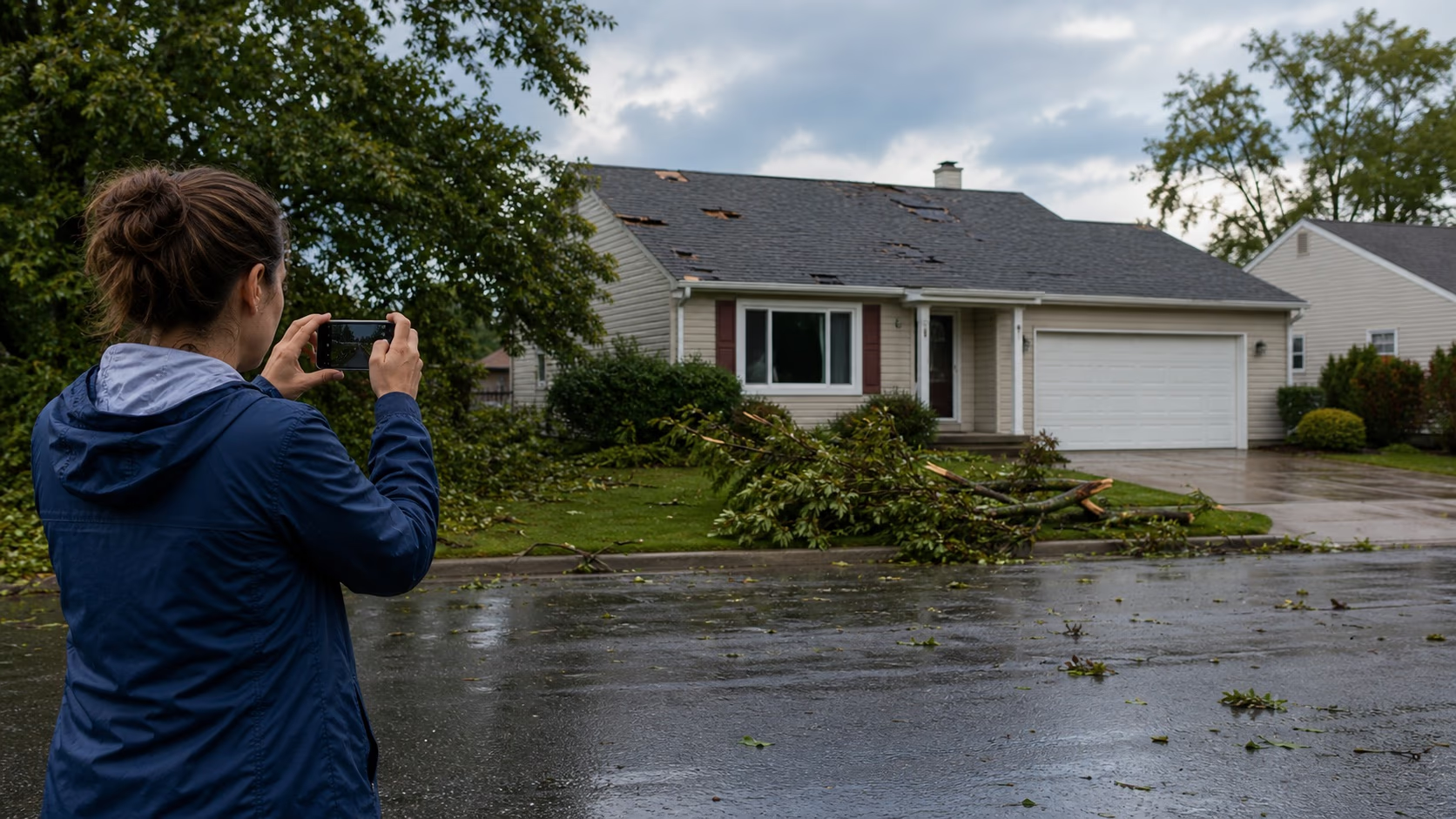
By the morning after the storm, Appleton-area residents were already photographing torn roofs, fallen branches and damaged cars. Large hail, strong wind and a tornado warning had swept across Appleton, Menasha, Kimberly and Little Chute. Official surveys are still underway, so the first job is not naming the storm—it is preserving evidence before cleanup begins.
Safety and documentation come before the estimate
Stay clear of downed lines, unstable trees and visibly damaged structures. When it is safe, take wide and close photographs of the roof, siding, windows, vehicles and damaged belongings. Make a written list and save weather alerts, receipts and temporary-repair invoices. Wisconsin’s insurance office advises notifying your agent or carrier promptly and keeping damaged material unless an adjuster or local safety order says it can be discarded.
Make only the temporary repairs you need
A tarp, board-up or other reasonable step may prevent more damage, but keep receipts and photograph the condition before and after. Do not climb onto a wet or damaged roof. Ask your insurer how emergency work will be handled under your policy and deductible before approving a full replacement.
A fast knock at the door is not a deadline
Wisconsin consumer officials warn that transient repair crews often arrive after hail and tornado damage. Ask for the contractor’s legal business name, local address, insurance, references and a detailed written contract. The contract should identify the work, materials, start and completion dates and warranty. Avoid large cash payments, promises to cover your deductible and pressure to sign before the insurer has inspected the loss.
Keep the claim and the contractor decision separate
An insurance adjuster evaluates coverage; a contractor proposes repair work. Get more than one written bid when conditions allow, compare scope rather than just the bottom-line price and request lien waivers for payments. Coverage for roof, siding, trees, vehicles, sewer backup and flood can differ, so use your own policy and written claim response rather than a neighbor’s outcome as the guide.
What to watch next
The National Weather Service may update its July 27 event page as surveys are completed. Homeowners should use those official findings for context, but their individual claim still depends on documented property damage, policy language and the insurer’s inspection.