Town-gown balance
The community should function beyond campus.
Five college towns balancing academic energy, walkable districts, culture, outdoor access, housing and life beyond campus.
Your family, budget, and daily life come first. One great statewide number can’t make the whole decision for you.
The community should function beyond campus.
Walking, cycling and transit reduce cost.
Semester cycles and limited inventory can raise rent.
Regional employers affect internships and retention.
This isn’t a one-size-fits-all ranking. We’ll show you what looks promising—and what you should double-check.
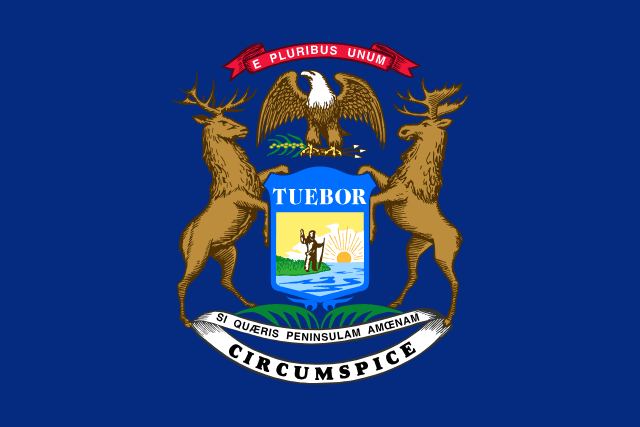
Michigan
A major university, walkable center, health system and cultural calendar support year-round activity.
Housing cost and winter.
Wisconsin
State government, technology, lakes and a major university broaden the economy.
Competitive rental market and winter.
North Carolina
A classic campus town sits inside a larger education and employment region.
Housing cost and car needs beyond the core.
Colorado
University life, technology and immediate recreation access create a distinctive setting.
Very high housing cost.
Pennsylvania
A major university anchors activities, services and a strong town identity.
Distance from large metros and event-weekend prices.
Ann Arbor and Madison are strong starting points, depending on the exact home and routine.
Madison and Ann Arbor have the broadest non-campus ecosystems here.
Not necessarily; constrained housing and academic calendars can make them expensive.
Programs, laws and costs change. Follow the source before a financial or enrollment decision.
These pages pick up where this one leaves off, so you can answer the next question without starting over.